Whisk_42d5c11f782d444bae24211273321aa5dr
Updated: April 9, 2026
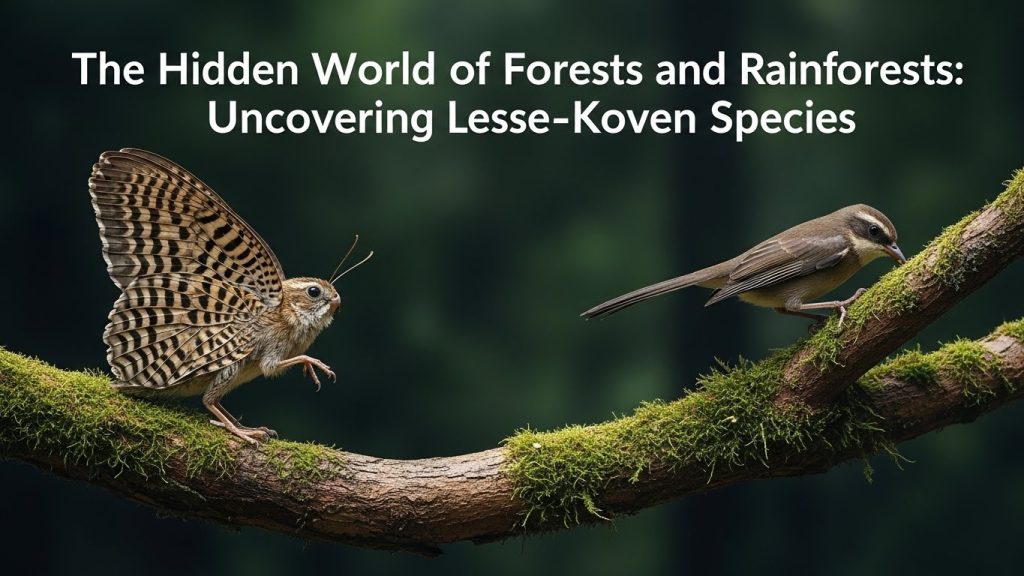
The Hidden World of Forests and Rainforests: Uncovering Lesser-Known Species
Forests and rainforests, the lungs of our planet, teem with life. While we are familiar with iconic species like the Bengal tiger or the vibrant macaw, there exists a plethora of lesser-known species that play crucial roles in these ecosystems. This hidden world is rich with biodiversity, and understanding it is essential to preserving our natural heritage. In this article, we delve deep into the mysterious inhabitants of these verdant worlds, spotlighting species that many have never heard of but are vital to ecosystem health.
The Importance of Biodiversity in Forests and Rainforests
Biodiversity is the intricate web of life that sustains ecosystems. In forests and rainforests, this web is more complex and diverse than anywhere else on Earth. These regions cover only about 6% of the Earth’s surface yet harbor more than half of the world’s plant and animal species.
These ecosystems provide numerous ecological services, such as carbon sequestration, water purification, and soil preservation. The lesser-known species, although often overlooked, contribute significantly to these services. They play roles in nutrient cycling, seed dispersion, and maintaining the structural integrity of the forest.
Spotlight on Lesser-Known Species
The Mysterious Okapi
The okapi, often referred to as the “forest giraffe,” resides in the dense rainforests of the Congo. Despite its zebra-like stripes, the okapi is closely related to the giraffe. Living a solitary life, this elusive creature was only discovered by Western scientists in the early 20th century. It plays a crucial role in seed dispersion, aiding the growth of a variety of plant species.
Leafcutter Ants: The Forest’s Farmers

Leafcutter ants, primarily found in the rainforests of Central and South America, are renowned for their unique agricultural practices. These ants cut and transport leaves to their nests, not for direct consumption but to cultivate a special type of fungus that serves as their primary food source. This symbiotic relationship not only supports the ant colony but also aids in decomposing organic material, enriching the soil.
The Spectacular Glass Frog
Residing mainly in the cloud forests of Central and South America, the glass frog is named for its translucent skin. Through their skin, observers can see the frog’s internal organs, a unique adaptation that provides camouflage from predators. Glass frogs are important indicators of environmental health, as they are sensitive to changes in their habitat, such as pollution and climate change.
Fungi: The Underground Network
Often forgotten, fungi are integral to forest ecosystems. The vast network of mycelium, the vegetative part of fungi, connects plant roots, facilitating the exchange of nutrients and communication. This symbiosis, known as the mycorrhizal network, is crucial for tree health and resilience. Some fungi, like the bioluminescent foxfire, also play a role in decomposing organic matter, recycling nutrients back into the ecosystem.
Conservation Challenges and Efforts
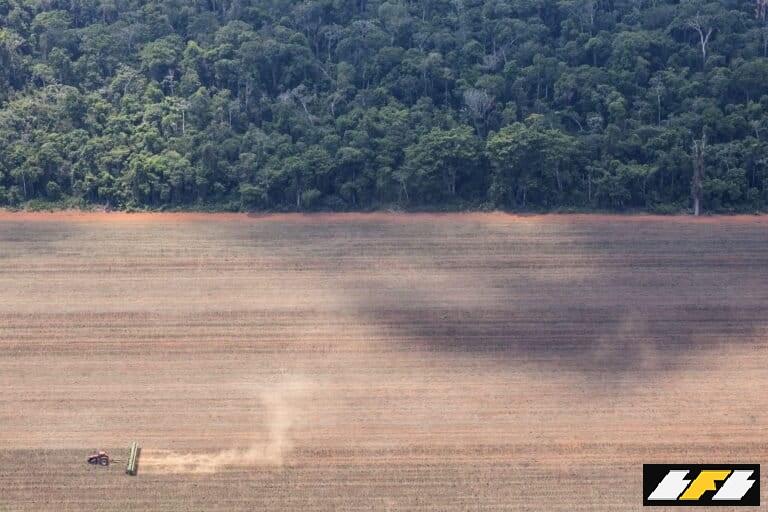
The future of these lesser-known species is precarious due to deforestation, climate change, and habitat fragmentation. Many of these species are not only unknown to the general public but also to science, with new species being discovered regularly. This lack of awareness often leads to inadequate conservation efforts.
Conservation organizations are working tirelessly to protect these habitats. Initiatives such as the creation of protected areas, sustainable forestry practices, and education programs aim to preserve these ecosystems. Research plays a vital role in these efforts, helping us understand the complex interactions within ecosystems and how best to protect them.
Why Protecting Lesser-Known Species Matters
Protecting lesser-known species is crucial for maintaining the balance of ecosystems. These species often have specialized roles that, if disrupted, can lead to cascading effects throughout the ecosystem. For example, the extinction of a specific pollinator can lead to the decline of plant species dependent on that pollinator, affecting herbivores and, subsequently, predators.
Moreover, these species often hold the key to scientific discoveries that could benefit humanity, from medicinal properties to insights into sustainable living. The ongoing study of rainforest biodiversity has already led to breakthroughs in medicine, agriculture, and materials science.
Conclusion: Embracing the Unknown
The hidden world of forests and rainforests is a treasure trove of biodiversity, much of which remains unexplored. The lesser-known species that inhabit these ecosystems are vital to their health and longevity. As we continue to learn about and understand these species, it is imperative that we take action to preserve them. By embracing the unknown and prioritizing the conservation of all species, we not only protect the intricate web of life but also secure a future where forests and rainforests continue to thrive, sustaining life on Earth.
The Role of Indigenous Knowledge in Conservation
Indigenous communities have inhabited forest and rainforest regions for centuries, if not millennia. Their traditional knowledge and practices play a crucial role in the conservation and sustainable management of these ecosystems. Their intimate understanding of local biodiversity, including lesser-known species, is invaluable in crafting effective conservation strategies.
For instance, the use of certain plants for medicinal purposes or the understanding of animal behavior patterns can provide insights that are not immediately apparent through scientific research alone. Collaborative projects that integrate traditional knowledge with modern conservation efforts have shown promising results in preserving biodiversity.
Technology and Innovation in Biodiversity Research
Advancements in technology are revolutionizing how researchers study and protect biodiversity in forests and rainforests. Tools such as remote sensing, genetic barcoding, and camera traps allow scientists to monitor species and habitats with unprecedented accuracy and efficiency.
Remote sensing, using satellite imagery, helps track changes in forest cover and can identify areas at risk of deforestation or degradation. Genetic barcoding allows for the identification of species based on DNA, including those previously unknown to science. Camera traps have become essential for observing elusive species like the jaguar or the slow loris, providing insights into their behavior and population dynamics.
Citizen Science: Involving the Public in Conservation
Citizen science initiatives are gaining popularity and are instrumental in conservation efforts. These projects engage the public in data collection and monitoring activities, expanding the reach and scale of biodiversity research. For example, using apps to record plant and animal sightings or participating in surveys helps gather valuable data on species distribution and abundance.
Such initiatives not only contribute to scientific research but also raise awareness about the importance of biodiversity and conservation. Public participation fosters a sense of stewardship and encourages collective action to protect these vital ecosystems.
The Future of Forests and Rainforests: A Call to Action
The future of forests and rainforests, and the myriad species they support, hinges on our actions today. As climate change accelerates and human activities continue to encroach upon these habitats, the need for effective conservation strategies is more pressing than ever.
Policymakers, conservationists, scientists, and the public must collaborate to implement sustainable practices that balance development with ecological preservation. This includes enforcing stricter regulations against illegal logging, promoting reforestation projects, and supporting indigenous rights to land and resources.
Conclusion: A Shared Responsibility
The hidden world of forests and rainforests is a testament to nature’s ingenuity and resilience. While much of this world remains unexplored, the urgency to protect it cannot be overstated. By uncovering and understanding the roles of lesser-known species, we gain insights into the delicate balance that sustains life on our planet.
The responsibility to protect these ecosystems lies with all of us. Through education, innovation, and collaboration, we can ensure that forests and rainforests remain vibrant and bountiful for generations to come. Embracing this shared responsibility is a commitment to the preservation of our natural world, a legacy that will define our era.
Educational Efforts and Their Impact on Conservation
Education is a powerful tool in the fight to conserve forests and rainforests. By increasing awareness of the rich biodiversity and the threats these ecosystems face, educational initiatives can inspire action and change. Schools, universities, and nonprofit organizations are pivotal in spreading knowledge about the importance of conserving lesser-known species.
Programs designed to educate young people about the environment can foster a lifelong appreciation for nature. This can be achieved through classroom learning, field trips, and participation in conservation projects. Furthermore, online platforms and documentaries provide accessible information to a global audience, highlighting the need for conservation and the fascinating species that inhabit these environments.
Ecotourism: A Double-Edged Sword
Ecotourism has emerged as a potential solution for sustainable development in forest and rainforest regions. By promoting responsible travel that respects natural habitats and local cultures, ecotourism can generate income for conservation efforts and local communities. It offers tourists a chance to experience the wonders of biodiversity firsthand, often leading to increased support for preservation initiatives.
However, without careful management, ecotourism can also pose threats to fragile ecosystems, such as habitat disturbance and pollution. It is crucial that ecotourism practices are guided by stringent sustainability standards to ensure that they benefit both the environment and host communities.
Examples of Successful Conservation Initiatives
Several conservation initiatives around the world demonstrate the success of integrated approaches to protecting forests and rainforests. The Yasuni National Park in Ecuador, for instance, is home to one of the most biodiverse ecosystems on the planet. The government, alongside various organizations, strives to protect this area from oil exploration and other industrial activities.
Similarly, the efforts in the Amazon to establish protected areas and empower indigenous communities have shown positive results. Through partnerships with international organizations, these initiatives aim to preserve the region’s biodiversity while respecting the rights and traditions of its inhabitants.
Personal Actions to Support Conservation
Individual actions, though seemingly small, can collectively have a significant impact on conservation efforts. Reducing personal carbon footprints, supporting sustainable products, and advocating for environmental policies are all ways individuals can contribute to the protection of forests and rainforests.
Moreover, supporting organizations dedicated to conservation through donations or volunteering can help fund essential research and preservation projects. Sharing knowledge and raising awareness in one’s own community can also play a crucial role in fostering a culture of conservation.
Conclusion: Paving the Way Forward
The hidden world of forests and rainforests is a critical component of our planet’s ecological balance. While the lesser-known species within these habitats may not always capture the public’s attention, their roles are indispensable in maintaining the health and functionality of these ecosystems. As we move forward, a multifaceted approach that includes education, community involvement, technology, and innovative conservation strategies is essential.
By taking proactive steps today, we can create a future where forests and rainforests continue to thrive, benefiting all forms of life on Earth. Our collective efforts, grounded in understanding and respect for nature’s intricate systems, will ensure that these vital ecosystems endure for generations to come.