rainfall Environment Brazil: Rainfall Trends and Brazil’s Climate St
Updated: April 9, 2026
Innovative Approaches to Sustainable Logging
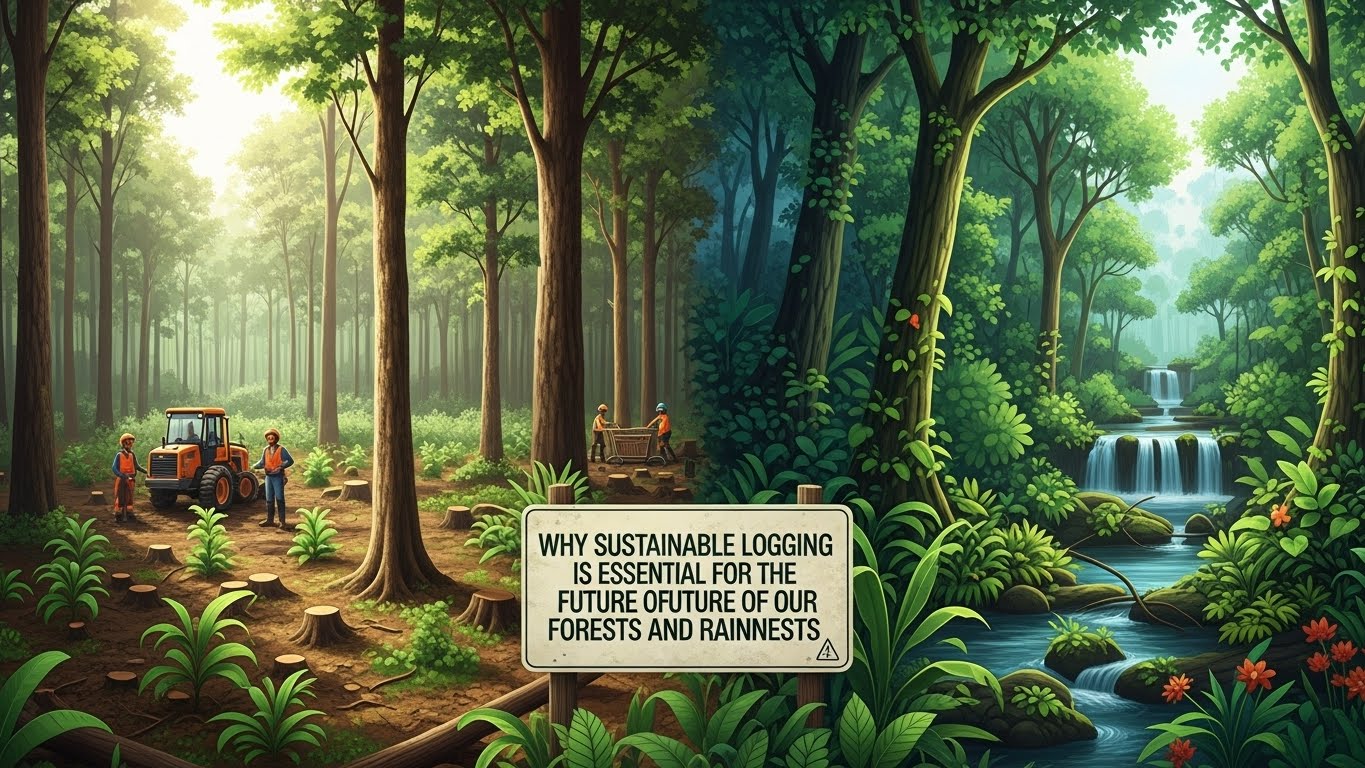
Innovation is at the heart of advancing sustainable logging practices. One such approach is the development of agroforestry systems, which integrate the cultivation of trees with crops or livestock. This method not only enhances biodiversity but also provides economic benefits to local communities by diversifying their income sources. Agroforestry has been successfully implemented in countries such as Brazil and India, where it has contributed to soil conservation and improved agricultural productivity.

Another innovative approach involves the use of reduced-impact logging (RIL) techniques. RIL focuses on minimizing the ecological footprint of logging operations by carefully planning the felling and extraction of trees to reduce damage to surrounding vegetation. This method has been shown to maintain higher levels of biodiversity and carbon storage compared to conventional logging practices.
The Role of Certification in Promoting Sustainable Logging
Certification plays a crucial role in promoting sustainable logging by providing a mechanism for verifying and recognizing responsible forest management. Certification programs, such as those offered by the Forest Stewardship Council (FSC) and the Programme for the Endorsement of Forest Certification (PEFC), set rigorous standards for sustainable forestry practices.
These certification programs provide a market-based incentive for companies to adopt sustainable practices, as certified products often command higher prices and are preferred by environmentally conscious consumers and businesses. By supporting certified products, consumers can directly contribute to the promotion of sustainable logging and the preservation of forest ecosystems.
Challenges and Opportunities for the Future
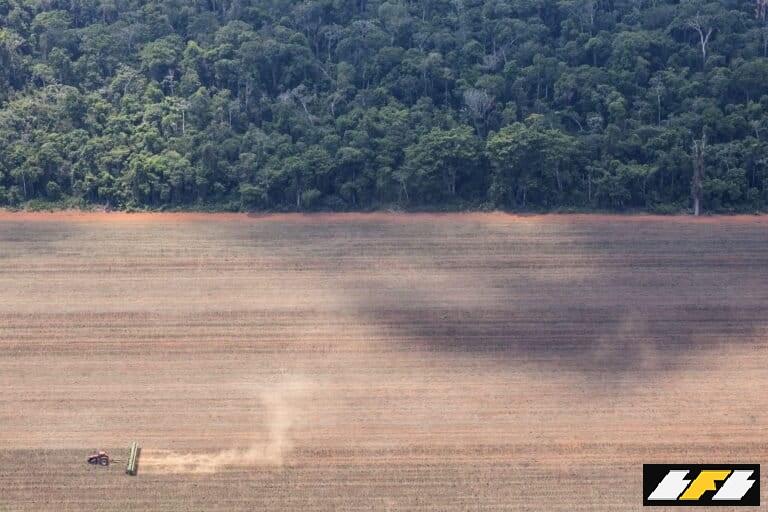
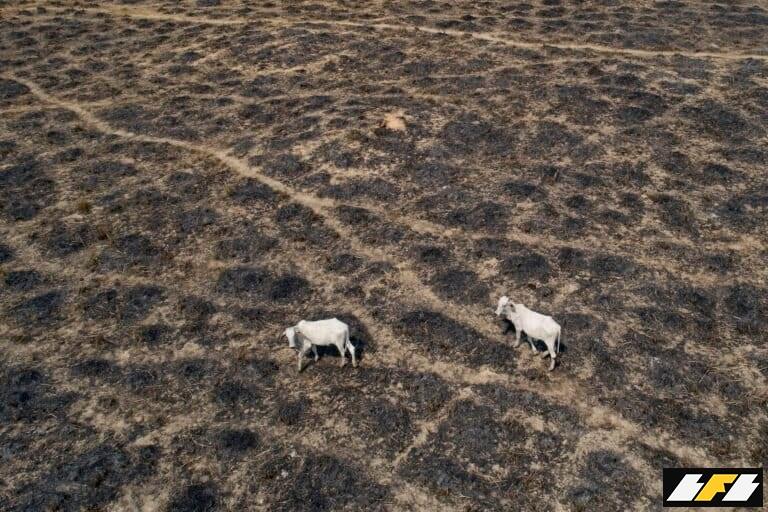
While significant progress has been made in promoting sustainable logging, challenges remain. Deforestation due to agricultural expansion, infrastructure development, and illegal logging continues to threaten forest ecosystems worldwide. Addressing these challenges requires concerted efforts from governments, businesses, and civil society to enforce regulations, promote sustainable land-use planning, and invest in forest conservation initiatives.
On the other hand, opportunities abound for advancing sustainable logging practices. The growing demand for sustainably sourced products presents a unique opportunity for the forestry sector to innovate and expand its market presence. Furthermore, the integration of new technologies, such as blockchain for supply chain transparency and artificial intelligence for monitoring forest health, offers exciting prospects for enhancing sustainable logging practices.
Engaging Stakeholders for a Sustainable Future
Engaging a broad range of stakeholders is essential for the success of sustainable logging initiatives. Governments, NGOs, Indigenous communities, and the private sector must collaborate to develop and implement effective policies and practices that support sustainable forest management.
Public-private partnerships can play a pivotal role in mobilizing resources and expertise to address the complex challenges of sustainable logging. By leveraging the strengths of each sector, these partnerships can drive innovation, improve enforcement of regulations, and enhance the capacity of local communities to manage their forest resources sustainably.
Conclusion: Toward a Sustainable Future
The journey toward sustainable logging is a continuous process that requires dedication, collaboration, and innovation. By embracing sustainable practices, we can protect the invaluable resources that forests and rainforests provide, ensuring their resilience and vitality for generations to come.
As we move forward, it is crucial to recognize the interconnectedness of ecological, economic, and social factors in forest management. By fostering a holistic approach to sustainable logging, we can contribute to a more sustainable and equitable future for our planet and all its inhabitants.