
Climate Change And Its Drastic Effect On Biodiversity What We Stand To Lose
Updated: April 9, 2026
Climate Change and Its Drastic Effect on Biodiversity: What We Stand to Lose
Climate change is not just an environmental issue; it is a profound challenge that affects every aspect of life on Earth. Among the most significant and worrying impacts of climate change is its effect on biodiversity. As temperatures rise, weather patterns shift, and ecosystems transform, countless species face unprecedented threats. Understanding the intricate relationship between climate change and biodiversity loss is crucial for developing strategies to mitigate these impacts and protect the planet’s natural heritage.
The Interconnectedness of Climate and Biodiversity
Climate and biodiversity are intrinsically linked, with each influencing the other in complex ways. Biodiverse ecosystems, such as rainforests, oceans, and grasslands, play a pivotal role in regulating the Earth’s climate by absorbing carbon dioxide and producing oxygen. Conversely, climate change can disrupt these ecosystems, leading to biodiversity loss. This loss, in turn, diminishes the planet’s ability to regulate the climate, creating a vicious cycle that exacerbates global warming.
Impact on Ecosystems and Species
One of the most visible effects of climate change on biodiversity is the alteration of habitats. Rising temperatures, changing precipitation patterns, and extreme weather events are transforming ecosystems at an alarming rate. For instance, coral reefs, often referred to as the “rainforests of the sea,” are highly sensitive to temperature changes. Coral bleaching, a direct result of increased sea temperatures, threatens the survival of these vibrant ecosystems and the myriad species that rely on them.
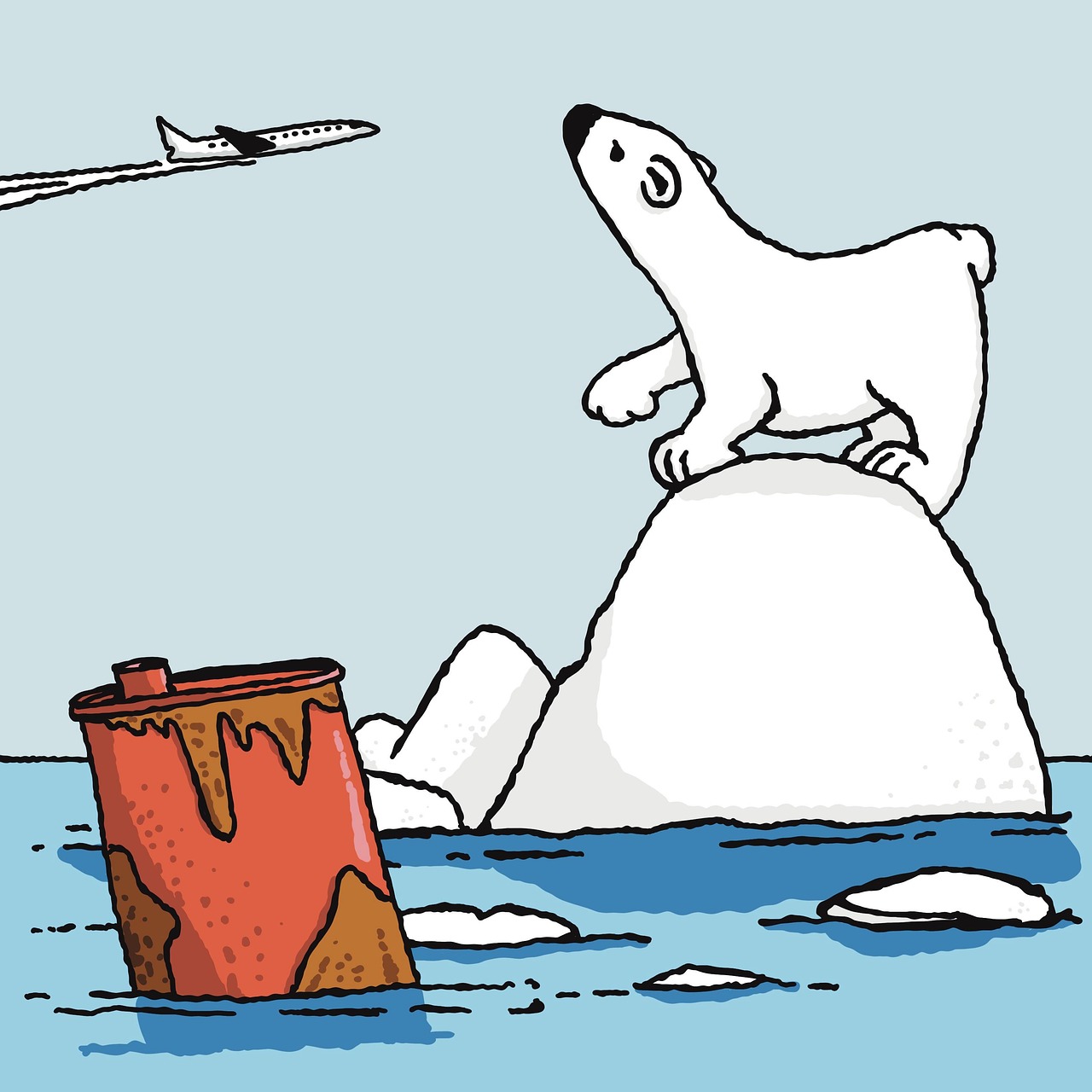
Similarly, terrestrial ecosystems are not immune to these changes. The deforestation of rainforests not only contributes to carbon emissions but also leads to habitat loss for countless species. This habitat destruction, combined with shifting climate zones, forces species to migrate, adapt, or face extinction. For example, polar bears, whose survival depends on sea ice, are increasingly threatened as ice caps melt due to rising temperatures.
Threats to Species Diversity
Climate change poses a significant threat to species diversity, with some estimates suggesting that up to one million species could face extinction in the coming decades. This loss of species diversity not only affects the balance of ecosystems but also impacts human societies that rely on biodiversity for resources, medicine, and cultural heritage.
The phenomenon of “range shifts” is a direct result of species attempting to adapt to changing climates. Many species are moving towards the poles or to higher elevations in search of suitable habitats, but not all species can migrate quickly enough to keep pace with climate change. This has led to the emergence of novel ecosystems, where species that have never coexisted before find themselves sharing the same habitat. While some species may flourish in these new environments, others struggle to survive, leading to a decline in biodiversity.
Impact on Marine Life
The ocean, which covers more than 70% of the Earth’s surface, is particularly vulnerable to climate change. Ocean warming, acidification, and deoxygenation are some of the most pressing challenges marine ecosystems face. Coral reefs, which harbor approximately 25% of all marine species, are experiencing unprecedented bleaching events due to rising sea temperatures. This not only affects the corals themselves but also the myriad species that depend on them for survival.
Furthermore, marine species, such as fish and plankton, are migrating towards cooler waters, disrupting marine food webs and impacting fisheries. The impact on commercial fish stocks is significant, threatening the livelihoods of communities that rely on fishing for sustenance and economic stability.
Consequences for Human Societies
The loss of biodiversity due to climate change has far-reaching consequences for human societies. Many communities around the world depend on biodiversity for food security, medicine, and cultural practices. The reduction in pollinator populations, for example, directly impacts agriculture and food production. As biodiversity declines, so too does the resilience of ecosystems to provide essential services, such as clean water, fertile soil, and climate regulation.
Moreover, the cultural and spiritual value of biodiversity cannot be overstated. Many indigenous communities have deep-rooted connections to their natural environments and rely on traditional ecological knowledge to manage their resources sustainably. The loss of biodiversity threatens these cultural identities and the preservation of traditional practices.
Strategies for Mitigation and Adaptation
Addressing the impacts of climate change on biodiversity requires a multifaceted approach that includes both mitigation and adaptation strategies. Mitigation efforts, such as reducing greenhouse gas emissions and protecting carbon sinks like forests and wetlands, are essential to slow the pace of climate change. Nature-based solutions, such as reforestation and ecosystem restoration, provide opportunities to enhance biodiversity while combating climate change.
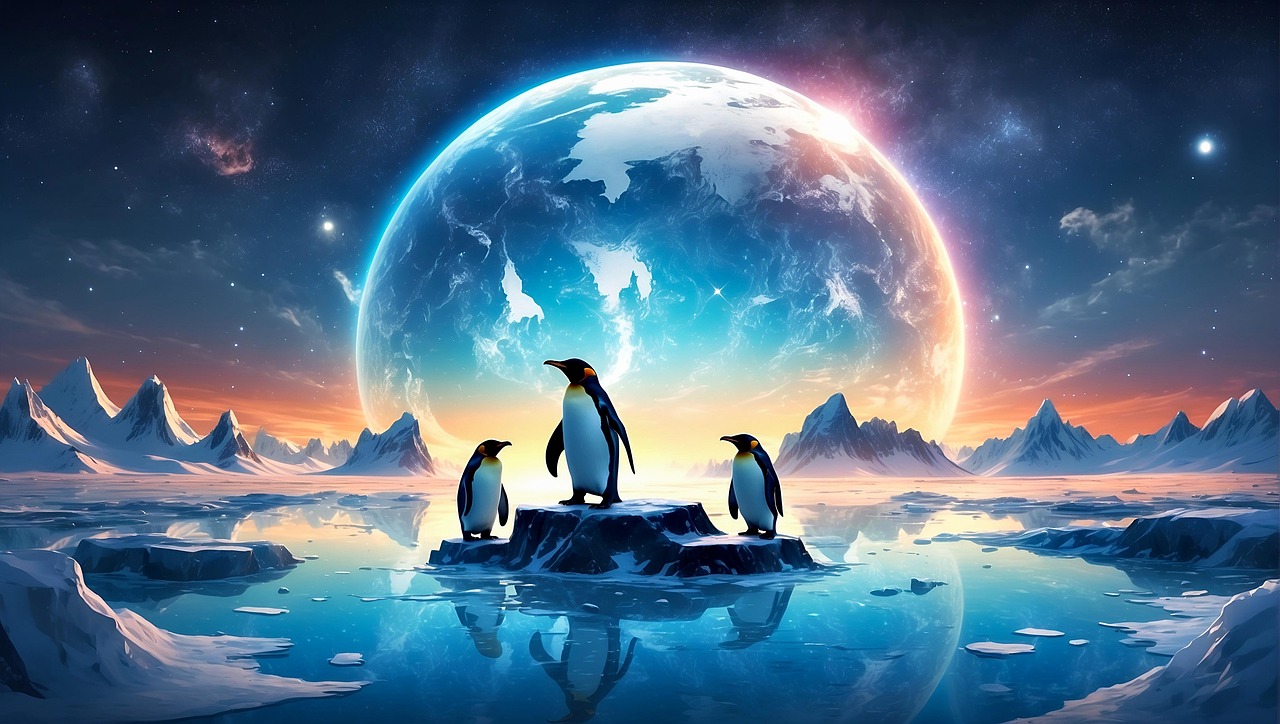
Adaptation strategies are equally important, as they help ecosystems and species cope with the changes that are already occurring. Establishing protected areas, creating wildlife corridors, and implementing sustainable land-use practices can help preserve biodiversity in the face of climate change. Furthermore, integrating traditional ecological knowledge with modern conservation efforts can provide innovative solutions and enhance the resilience of ecosystems.
Takeaways
Climate change and biodiversity loss are two of the most pressing environmental challenges of our time. The intricate relationship between the two highlights the need for coordinated global efforts to address these issues simultaneously. By understanding the impacts of climate change on biodiversity and implementing effective mitigation and adaptation strategies, we can work towards a sustainable future that preserves the planet’s rich natural heritage for generations to come.
Ultimately, the loss of biodiversity is not just an environmental issue but a societal one. It affects our economies, health, and well-being. By taking action now, we can protect the delicate balance of life on Earth and ensure that future generations inherit a planet that is as rich and diverse as the one we know today. For further reading on the importance of biodiversity and climate action, explore resources from the United Nations and other leading environmental organizations.
The Role of International Cooperation
Given the global scale of climate change and biodiversity loss, international cooperation is crucial for effective action. Multilateral agreements, such as the Paris Agreement and the Convention on Biological Diversity, provide frameworks for countries to work together towards common goals. These agreements emphasize the importance of reducing carbon emissions, protecting natural habitats, and supporting sustainable development.
International collaboration also facilitates the exchange of knowledge, technology, and resources. By sharing scientific research and best practices, countries can enhance their capacity to address climate and biodiversity challenges. Joint initiatives, such as transboundary conservation projects and global reforestation efforts, demonstrate the power of collective action in achieving meaningful outcomes.
The Importance of Public Awareness and Education
Public awareness and education play a pivotal role in driving action on climate change and biodiversity conservation. By understanding the interconnectedness of these issues, individuals and communities are better equipped to make informed decisions and advocate for sustainable practices. Educational programs, community outreach, and media campaigns are effective tools for raising awareness and inspiring positive change.
Engaging younger generations is particularly important, as they will inherit the responsibility of addressing these challenges in the future. Environmental education in schools, along with initiatives like youth-led climate movements, empowers young people to take an active role in shaping a sustainable world. Encouraging a culture of environmental stewardship and responsibility is essential for fostering long-term change.
The Role of Technology and Innovation
Technology and innovation offer promising solutions to the challenges posed by climate change and biodiversity loss. Advances in renewable energy, such as solar and wind power, reduce reliance on fossil fuels and lower carbon emissions. Additionally, innovations in agriculture, such as precision farming and sustainable aquaculture, can enhance food security while minimizing environmental impacts.
Moreover, technology can aid in monitoring and protecting biodiversity. Remote sensing, satellite imagery, and data analytics provide valuable insights into ecosystem health and species distribution. These tools enable scientists and conservationists to track changes over time and develop targeted interventions. By harnessing the power of technology, we can enhance our ability to safeguard the planet’s natural resources.

Individual Actions and Community Engagement
While global and national efforts are essential, individual actions and community engagement are equally important in addressing climate change and biodiversity loss. Every person can contribute to a more sustainable future by making conscious choices in their daily lives. Simple actions, such as reducing energy consumption, minimizing waste, and supporting sustainable products, collectively make a significant impact.
Community engagement is also crucial in driving local conservation efforts. Grassroots movements, citizen science projects, and volunteer initiatives empower communities to take ownership of their natural environments. By working together, individuals can advocate for policy changes, restore local habitats, and promote sustainable practices. Community-based conservation efforts have the potential to create lasting positive change and inspire broader societal transformation.
Final Thoughts
The challenges posed by climate change and biodiversity loss are daunting, but they are not insurmountable. By recognizing the intrinsic value of biodiversity and the urgency of climate action, we can work towards solutions that benefit both people and the planet. It is imperative that we act now, with determination and collaboration, to protect the Earth’s delicate ecosystems and the myriad forms of life they support.
Our collective future depends on the choices we make today. By embracing sustainable practices, supporting conservation efforts, and advocating for policy change, we can create a world where biodiversity thrives and climate change is mitigated. The time to act is now, and together, we can build a sustainable legacy for generations to come. For more information on how you can contribute to these efforts, explore resources from the National Geographic Society and other leading environmental organizations.