
Eco Innovation How Technology Is Leading The Fight Against Climate Change
Updated: April 9, 2026
Eco-Innovation: How Technology is Leading the Fight Against Climate Change
In recent years, climate change has emerged as one of the most pressing challenges facing humanity. As global temperatures rise, ice caps melt, and extreme weather events become more frequent, the need for innovative solutions has never been more urgent. Fortunately, technology and eco-innovation are stepping up to play critical roles in addressing these challenges. From renewable energy to energy-efficient systems, technological advancements are paving the way for a more sustainable future.
The Role of Renewable Energy
One of the most significant ways technology is combating climate change is through the development and deployment of renewable energy sources. Renewable energy, which includes solar, wind, hydroelectric, and geothermal power, offers a cleaner and more sustainable alternative to fossil fuels. These sources of energy reduce greenhouse gas emissions, thus mitigating the impacts of climate change.
Solar energy, for instance, has seen remarkable advancements with the development of more efficient photovoltaic cells. These cells convert sunlight directly into electricity, providing a clean energy source that can power homes and industries alike. Innovations such as thin-film solar cells and solar power storage solutions continue to make solar energy more accessible and cost-effective.
Similarly, wind energy has benefited from technological advancements. Modern wind turbines are more efficient and capable of generating electricity even at low wind speeds. Offshore wind farms are particularly promising, as they can harness stronger and more consistent winds over the ocean. The potential for wind energy is vast, and continued innovation is crucial to optimizing its efficiency and integration into the power grid.

Energy Efficiency and Smart Grids
Beyond renewable energy, improving energy efficiency is a key component in reducing carbon emissions. Technological innovations have led to the development of energy-efficient appliances and industrial processes that consume less power while maintaining the same level of performance. For example, LED lighting uses a fraction of the energy compared to traditional incandescent bulbs, leading to significant energy savings.
Smart grid technology is another area where eco-innovation is making a significant impact. A smart grid uses digital communication technology to detect and react to local changes in electricity usage. This system enhances the reliability and efficiency of the power grid, reduces energy waste, and integrates renewable energy sources more effectively. As demand response and real-time data analytics become more sophisticated, smart grids will play an increasingly important role in energy management.
Transportation Innovations
The transportation sector is a major contributor to greenhouse gas emissions, but technology is helping to drive change. Electric vehicles (EVs) are at the forefront of this transformation. Advances in battery technology have increased the range and affordability of EVs, making them a viable alternative to traditional gasoline-powered vehicles. Companies like Tesla, Nissan, and others are leading the charge in this space, continuously improving battery life and charging infrastructure.
In addition to EVs, public transportation systems are also undergoing eco-innovations. Electric buses and trains are becoming more common, reducing the carbon footprint of urban transportation. Technologies such as hydrogen fuel cells are being explored as potential solutions for long-distance and heavy-duty transportation, offering zero-emission alternatives to diesel engines.
Carbon Capture and Storage

Carbon capture and storage (CCS) is an emerging technology that captures carbon dioxide emissions from industrial processes and stores them underground to prevent their release into the atmosphere. This technology has the potential to significantly reduce emissions from industries such as cement, steel, and chemical manufacturing, which are traditionally difficult to decarbonize.
Several pilot projects around the world are testing the viability of CCS technology. For instance, the Global CCS Institute is working to accelerate the deployment of CCS projects globally. While challenges remain, particularly in terms of cost and infrastructure, continued research and innovation could make CCS a critical tool in the fight against climate change.
Technological Innovations in Agriculture
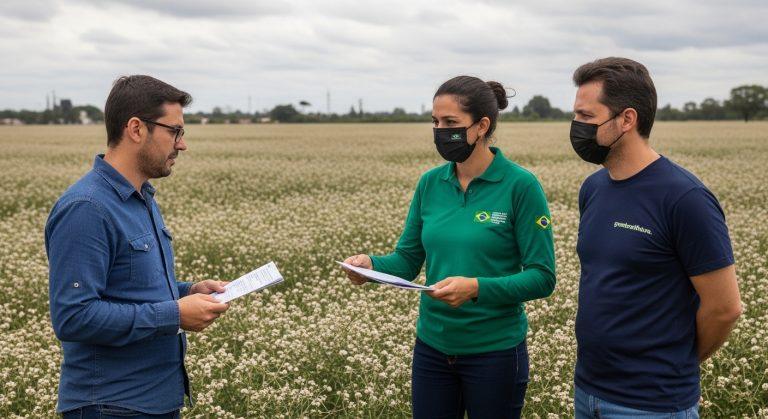
Agriculture is both a victim and a contributor to climate change, and technological innovations are helping to mitigate its impact. Precision agriculture uses technologies such as GPS, sensors, and data analytics to optimize farming practices. By monitoring soil conditions, weather patterns, and crop health, farmers can make informed decisions that increase yield while reducing resource usage.
Moreover, technological advances in sustainable farming practices are helping to reduce the carbon footprint of agriculture. Innovations such as vertical farming, hydroponics, and aquaponics offer efficient ways to grow food using less land and water. These methods also reduce the need for chemical fertilizers and pesticides, further decreasing environmental impact.
The Future of Eco-Innovation

As technology continues to evolve, the potential for eco-innovation to combat climate change grows. Emerging technologies such as artificial intelligence (AI) and blockchain are being explored for their potential to enhance environmental sustainability. AI can optimize energy usage, predict climate patterns, and improve resource management, while blockchain offers transparency and efficiency in carbon trading and supply chain management.
Furthermore, the intersection of technology and policy is crucial for driving eco-innovation. Government incentives, research funding, and international cooperation can accelerate the development and adoption of sustainable technologies. As nations work together to meet climate goals, technological innovation will be a critical component in achieving a sustainable future.
Takeaways
Eco-innovation is playing a pivotal role in the fight against climate change. Through advancements in renewable energy, energy efficiency, transportation, carbon capture, and agriculture, technology is driving significant progress toward a more sustainable world. As we continue to face the challenges of climate change, the collaboration between technology developers, policymakers, and society at large will be essential. By harnessing the power of technology and innovation, we can create a future where both the planet and its inhabitants can thrive.
As we look to the future, it’s evident that the pace of technological advancement will only accelerate. This progression provides hope that the solutions necessary to address the multifaceted challenges of climate change are within reach. However, the path forward is not without its hurdles. Issues such as equitable access to technology, the need for global cooperation, and the importance of public engagement must be addressed to ensure that eco-innovations are deployed effectively and inclusively.
Equitable Access to Technology

For eco-innovation to achieve its full potential, it must be accessible to all regions of the world, particularly those most vulnerable to the impacts of climate change. Developing nations often lack the infrastructure and resources needed to implement advanced technologies. Bridging this gap is crucial for ensuring global resilience against climate change.
International collaboration and support are key to facilitating technology transfer and capacity building in these regions. Initiatives such as the United Nations Technology Facilitation Mechanism aim to enhance the accessibility and affordability of sustainable technologies for developing countries. By fostering partnerships between governments, non-profits, and the private sector, we can work towards a more equitable distribution of technological benefits.
Global Cooperation and Policy Alignment
Climate change is a global issue that requires coordinated efforts across borders. Effective policy frameworks and international agreements are essential for driving the adoption of eco-innovations. Agreements such as the Paris Agreement have set ambitious targets for reducing emissions, but achieving these goals will require a unified approach that aligns technological development with policy action.
Countries must work together to establish standards and regulations that promote the use of sustainable technologies while discouraging practices that harm the environment. Additionally, sharing research and development efforts can accelerate innovation, allowing for the rapid deployment of solutions that address climate challenges.
Engaging the Public in Eco-Innovation
Public awareness and engagement are critical components in the success of eco-innovation. By educating communities about the benefits of sustainable technologies and the importance of reducing carbon footprints, we can inspire individuals to adopt more environmentally friendly practices.

Grassroots movements and environmental advocacy organizations play a significant role in raising awareness and driving change. Programs that involve citizens in projects such as community solar initiatives or urban gardening can empower individuals to contribute to sustainability efforts. Moreover, transparent communication about the impact and benefits of eco-innovations can garner public support and foster a culture of sustainability.
The Role of Private Sector and Innovation Hubs
The private sector is a crucial player in the development and deployment of eco-innovations. Companies across industries are increasingly recognizing the importance of sustainability and are investing in research and development to create environmentally friendly products and services. Startups and innovation hubs are at the forefront of this movement, often acting as incubators for groundbreaking ideas.
Collaborations between corporations and research institutions can lead to the commercialization of new technologies that address environmental challenges. Additionally, venture capital and impact investing are providing the financial resources necessary to scale innovative solutions. By aligning business interests with sustainability goals, the private sector can drive significant progress in the fight against climate change.
Conclusion: A Call to Action
The journey toward a sustainable future through eco-innovation is both challenging and inspiring. Technology has the potential to transform how we interact with our environment, offering solutions that can mitigate the impacts of climate change and promote a healthier planet. However, realizing this potential requires collective action from governments, businesses, communities, and individuals.
As we continue to innovate and explore new frontiers in technology, it is imperative that we remain committed to sustainability and equity. By leveraging the power of eco-innovation and fostering collaboration across sectors and borders, we can create a resilient and sustainable future for generations to come. The time to act is now, and with concerted efforts, we can harness the transformative power of technology to safeguard our planet.