
Climate Change And Its Drastic Effect On Biodiversity What We Stand To Lose
Updated: April 9, 2026
Climate Change and Its Drastic Effect on Biodiversity: What We Stand to Lose
Climate change is no longer a distant threat; it is a present-day reality that is drastically affecting our planet’s biodiversity. The intricate web of life that sustains ecosystems is under immense pressure from rising temperatures, shifting weather patterns, and increased frequency of extreme weather events. Understanding the profound impacts of climate change on biodiversity is crucial, as it not only affects the environment but also human societies. This post delves into the multifaceted effects of climate change on biodiversity and underscores what is at stake if immediate action is not taken.
The Interconnectedness of Climate and Biodiversity
Biodiversity, which encompasses the variety of all life forms on Earth, is intricately linked to climate. Every ecosystem, from the lush rainforests to the vast oceans, depends on a stable climate to thrive. However, as climate change accelerates, these ecosystems face unprecedented challenges. The rising global temperatures disrupt the delicate balance necessary for species survival, leading to habitat loss, altered food chains, and increased vulnerability to disease.
Habitat Loss and Fragmentation
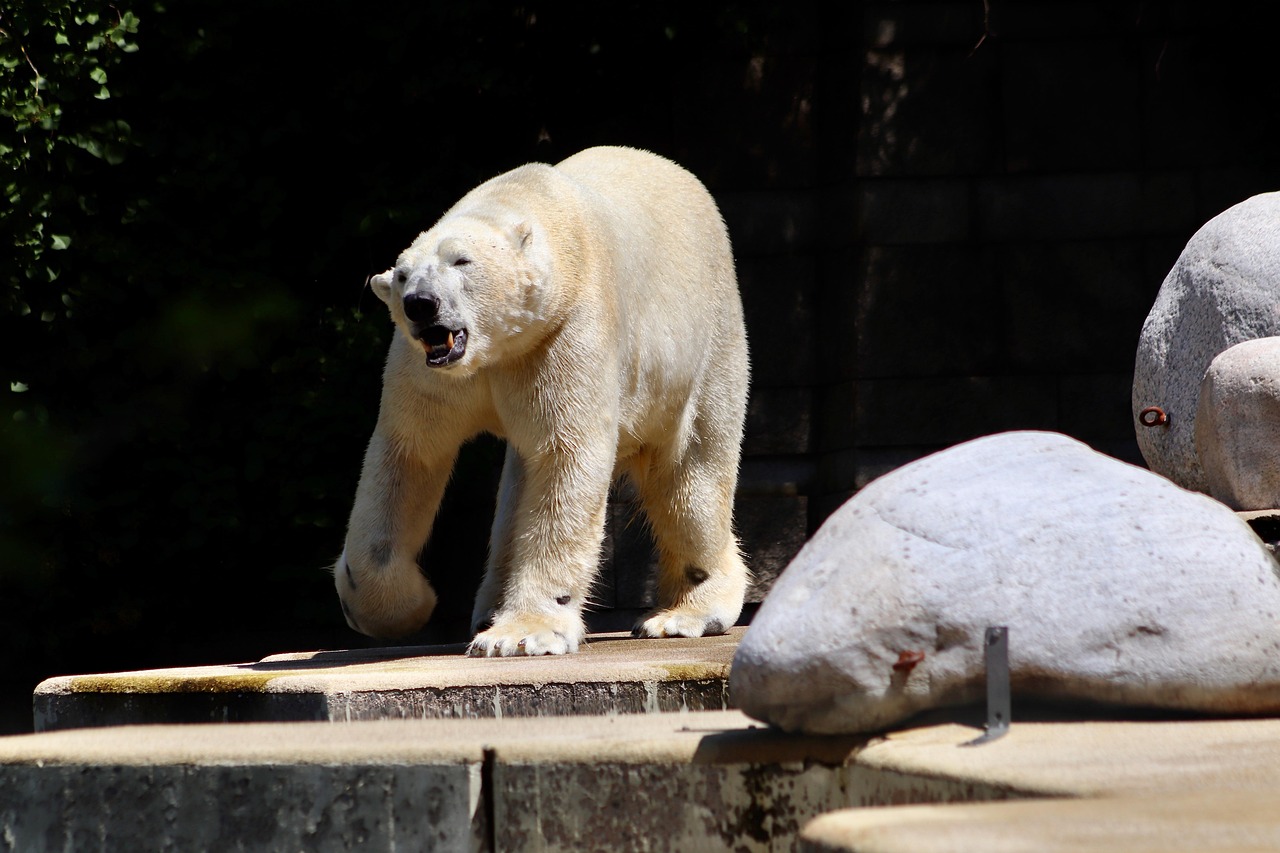
One of the most immediate impacts of climate change is the loss and fragmentation of habitats. As temperatures rise, many species are forced to migrate to cooler areas, often finding themselves trapped in isolated patches. This fragmentation can lead to reduced genetic diversity, making populations more susceptible to extinction. For instance, the melting Arctic ice is drastically reducing the habitat available for polar bears, putting them at risk of becoming endangered. Additionally, the World Wildlife Fund highlights that coral reefs, vital to marine biodiversity, are bleaching and dying due to increased ocean temperatures.
Altered Food Chains and Ecosystems
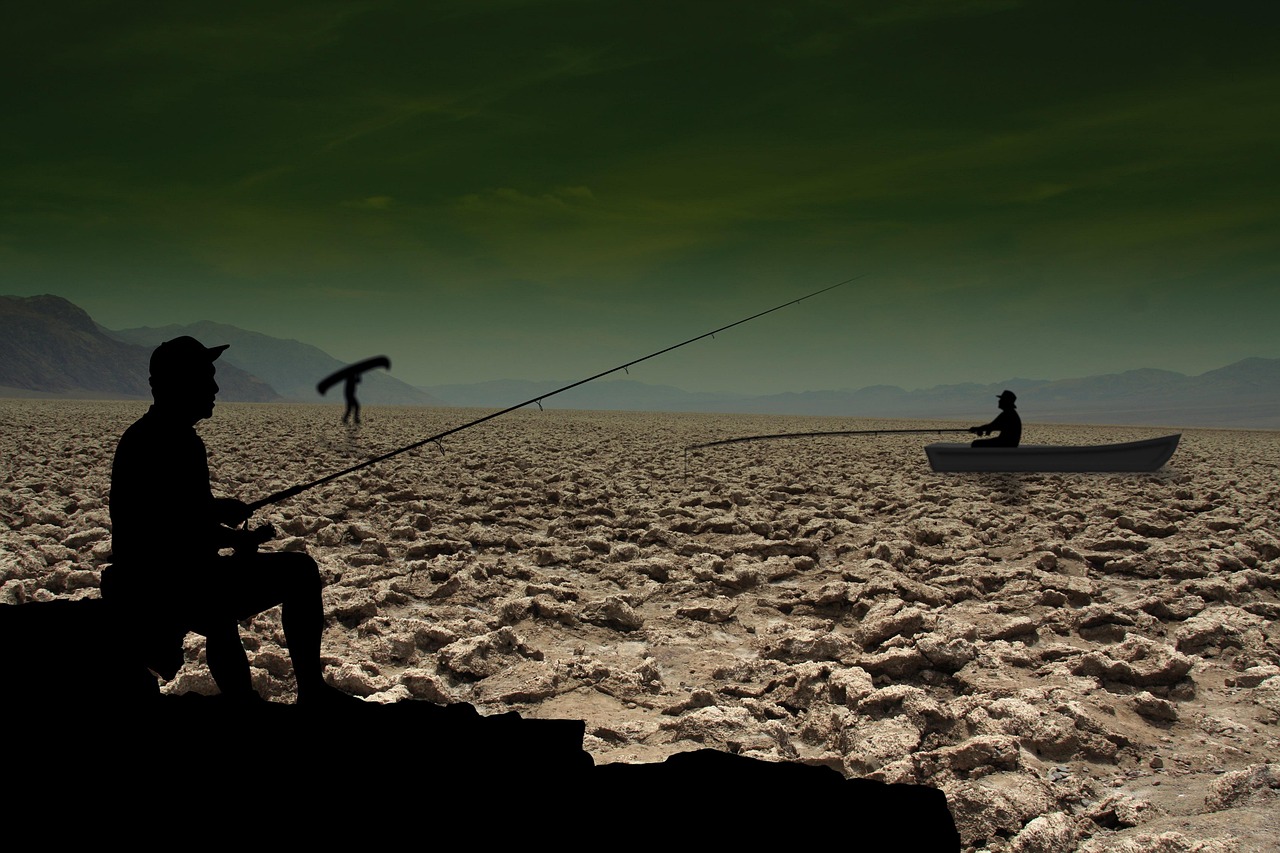
Climate change is also reshaping food chains and entire ecosystems. As species migrate to new areas, they can disrupt existing ecological balances. For example, the movement of fish species to cooler waters affects not only marine ecosystems but also the fishing communities that rely on them for sustenance. The decline in species like krill, a crucial part of the Antarctic food web, can have cascading effects on larger predators such as whales and seals.
Increased Vulnerability to Diseases
With changing climates, species face an increased risk of diseases. Warmer temperatures can expand the range of pathogens and parasites, introducing them to new hosts that have no natural defenses. The spread of diseases such as white-nose syndrome in bats and chytridiomycosis in amphibians demonstrates how climate change exacerbates the vulnerability of already threatened species. According to the Centers for Disease Control and Prevention, the spread of vector-borne diseases also poses a risk to human populations, highlighting the interconnectedness of human and environmental health.
Impact on Pollination and Agriculture
Biodiversity is essential for agriculture, as pollinators like bees and butterflies play a crucial role in the reproduction of many plants. Climate change threatens these pollinators by altering their habitats and food sources. A decline in pollinator populations can lead to reduced crop yields, impacting food security globally. Studies indicate that shifts in the timing of flowering and pollinator activity could lead to mismatches, further aggravating the problem.
The Threat to Endangered Species

Many species that are already endangered face heightened risks due to climate change. For instance, the IUCN Red List includes species like the snow leopard and the monarch butterfly, whose habitats and migratory patterns are severely affected by shifting climates. Conservation efforts must now account for these climate-induced changes, adding complexity to existing challenges in protecting vulnerable species.
Human Impacts and Societal Consequences
The loss of biodiversity due to climate change has far-reaching implications for human societies. Ecosystems provide services such as clean air, water purification, and carbon sequestration, which are vital for human survival. The degradation of these services can exacerbate issues such as poverty, food insecurity, and human health crises. Indigenous communities, often living in harmony with their environments, are particularly at risk as their traditional knowledge and ways of life are threatened by environmental changes.
Strategies for Mitigating Biodiversity Loss
Addressing the effects of climate change on biodiversity requires a multifaceted approach. Efforts must focus on reducing greenhouse gas emissions, protecting and restoring ecosystems, and enhancing the resilience of species to climate impacts. Conservation strategies should incorporate climate predictions to ensure that protected areas remain viable habitats in the future. Furthermore, international cooperation is essential, as exemplified by the United Nations Sustainable Development Goals, which promote global efforts to combat climate change and protect biodiversity.
Conclusion: The Urgency of Action

The ongoing impacts of climate change on biodiversity underscore the urgent need for action. If current trends continue, we risk losing countless species and the invaluable services they provide. It is imperative for governments, organizations, and individuals to work collaboratively to mitigate climate change and preserve the planet’s rich biodiversity. By doing so, we ensure a sustainable future not only for the myriad of life forms that inhabit Earth but also for humanity itself.
In conclusion, while the challenges are formidable, the solutions are within reach. With concerted global efforts, it is possible to curb the impacts of climate change and safeguard the biodiversity that is essential for a healthy and vibrant planet.
Innovative Solutions and Technologies
In the fight against biodiversity loss due to climate change, innovation and technology play a crucial role. Advances in fields such as genetics, remote sensing, and data analytics offer new ways to monitor ecosystems and develop targeted conservation strategies. For instance, the use of drones and satellite imagery allows scientists to track changes in habitats and wildlife populations in real time, providing valuable data that can inform conservation efforts.
Genetic technologies, such as CRISPR, are being explored to enhance the resilience of species to climate-induced stressors. While these innovations hold promise, they must be applied with caution, ensuring ethical considerations and unintended consequences are thoroughly evaluated. Furthermore, technology can facilitate community engagement and education, empowering local populations to participate in conservation efforts and adapt to changing environmental conditions.
Community Involvement and Indigenous Knowledge
Local communities and indigenous peoples are often the most affected by biodiversity loss, yet they hold a wealth of knowledge about their environments. Integrating indigenous knowledge with scientific research can lead to more effective conservation strategies. Traditional practices, which have sustainably managed ecosystems for generations, can offer insights into maintaining biodiversity in the face of climate change.
Community-led conservation projects have shown success in various regions, demonstrating the importance of involving local stakeholders in decision-making processes. Empowering communities through education and resources can enhance their capacity to adapt to climate impacts while preserving cultural heritage and biodiversity.
Policy and Governance
Effective policy and governance are essential in addressing the complex challenges of climate change and biodiversity loss. Policymakers must prioritize climate action and biodiversity conservation in national and international agendas. This includes implementing policies that reduce carbon emissions, protect critical habitats, and promote sustainable land-use practices.
International agreements, such as the Paris Agreement and the Convention on Biological Diversity, provide frameworks for countries to collaborate on climate and biodiversity goals. However, it is crucial for governments to not only commit to these agreements but also to implement and enforce policies that drive meaningful change.
The Role of Education and Awareness
Raising awareness about the impacts of climate change on biodiversity is key to fostering a global culture of conservation. Education initiatives can inform the public about the importance of biodiversity and the actions they can take to mitigate climate impacts. Schools, universities, and media platforms play a vital role in disseminating information and inspiring the next generation of environmental stewards.

Public campaigns and educational programs can also highlight the interconnectedness of human well-being and biodiversity. By illustrating how ecosystem services underpin economic and social systems, these initiatives can galvanize public support for conservation efforts and climate action.
Corporate Responsibility and Sustainable Practices
The private sector has a significant impact on biodiversity and climate change through its operations, supply chains, and investments. Encouraging businesses to adopt sustainable practices is critical for reducing environmental impacts. Companies can integrate sustainability into their business models by reducing emissions, conserving resources, and investing in biodiversity conservation initiatives.
Corporate responsibility extends beyond environmental stewardship; it includes transparency and accountability in reporting environmental impacts. By aligning business strategies with global sustainability goals, companies can contribute positively to biodiversity conservation while enhancing their brand reputation and competitiveness.
Conclusion: A Call to Action
The drastic effects of climate change on biodiversity demand urgent and coordinated action from all sectors of society. From innovative technologies to policy reforms, every effort counts in preserving the planet’s rich biodiversity for future generations. By recognizing the intrinsic value of biodiversity and its indispensable role in sustaining life, we can inspire a collective movement towards a more resilient and sustainable world.
As individuals, we can contribute by making conscious choices that reduce our carbon footprint, supporting conservation initiatives, and advocating for policies that protect our natural world. Together, we can pave the way for a future where both biodiversity and human societies thrive in harmony with our planet’s climate.