
The Science Behind Climate Change Breaking Down The Greenhouse Effect
Updated: April 9, 2026
The Science Behind Climate Change: Breaking Down the Greenhouse Effect
Climate change is one of the most pressing issues of our time, affecting ecosystems, weather patterns, and global temperatures. Central to understanding climate change is the concept of the greenhouse effect, a natural process that has been significantly amplified by human activities. In this article, we will delve into the science behind the greenhouse effect, explore the factors contributing to its intensification, and discuss the potential long-term impacts on our planet.
Understanding the Greenhouse Effect
The greenhouse effect is a natural phenomenon that warms the Earth’s surface. It occurs when the sun’s energy reaches the Earth and some of it is absorbed, warming the planet. The rest of the energy is reflected back toward space. However, greenhouse gases (GHGs) such as carbon dioxide, methane, and water vapor trap some of this outgoing energy, retaining heat in the atmosphere. This process is essential for life on Earth, as it keeps our planet at a habitable temperature.
The Role of Greenhouse Gases
Greenhouse gases play a crucial role in maintaining the Earth’s temperature. Without them, the planet would be too cold to support most forms of life. However, human activities, particularly since the Industrial Revolution, have increased the concentration of these gases in the atmosphere. The burning of fossil fuels, deforestation, and industrial processes have significantly raised levels of carbon dioxide and other GHGs, enhancing the natural greenhouse effect.
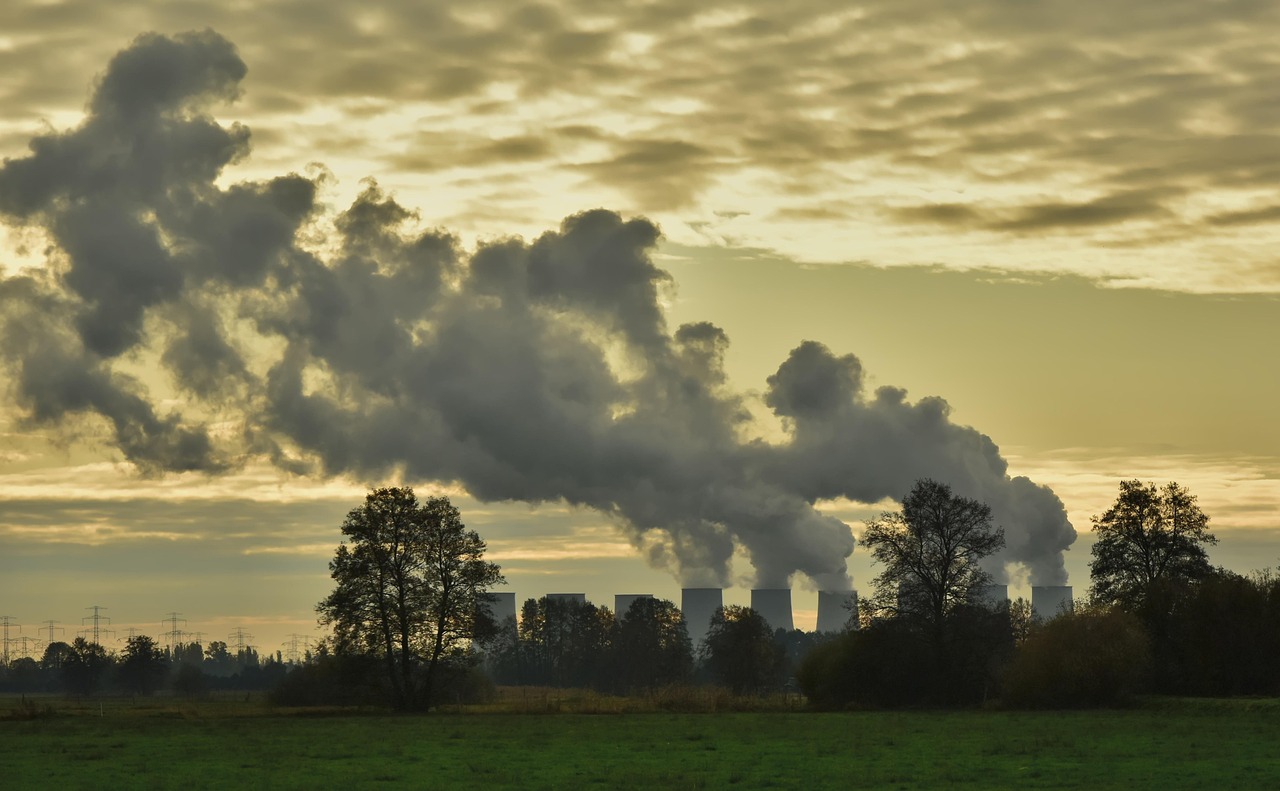
Carbon dioxide, while not the most potent greenhouse gas, is the most abundant due to its widespread emission from human activities. Other gases like methane and nitrous oxide, although present in smaller quantities, have a much greater ability to trap heat. According to the Environmental Protection Agency, methane is over 25 times more effective than carbon dioxide at trapping heat over a 100-year period, while nitrous oxide is about 300 times more potent.
Feedback Loops and Climate Change
The greenhouse effect is further complicated by feedback loops that can either amplify or mitigate climate change. One example is the ice-albedo feedback. As global temperatures rise, ice and snow melt, reducing the Earth’s albedo, or reflectivity. Darker surfaces, like the ocean or land, absorb more solar energy, leading to further warming and more melting. This creates a self-reinforcing cycle that exacerbates global warming.
Another feedback loop involves the release of methane from thawing permafrost. As temperatures increase, permafrost—a layer of permanently frozen soil—begins to thaw, releasing methane that was previously trapped. This additional methane in the atmosphere further enhances the greenhouse effect, leading to more warming.
Human Contributions to the Greenhouse Effect
Human activities have significantly intensified the greenhouse effect, leading to unprecedented levels of global warming. The burning of fossil fuels for energy and transportation is the largest source of anthropogenic carbon dioxide emissions. According to the Intergovernmental Panel on Climate Change (IPCC), human-induced emissions are responsible for approximately 1.5°C of warming above pre-industrial levels.

Land use changes, such as deforestation and urbanization, also contribute to the enhanced greenhouse effect. Forests act as carbon sinks, absorbing more carbon dioxide than they emit. When forests are cleared or burned, this stored carbon is released back into the atmosphere, further increasing greenhouse gas concentrations.
The Impact of the Enhanced Greenhouse Effect
The intensified greenhouse effect leads to numerous environmental and socio-economic impacts. One of the most significant consequences is global warming, which has already resulted in observable changes to the Earth’s climate system. These changes include more frequent and severe weather events, such as hurricanes, droughts, and heatwaves, which can have devastating effects on communities and ecosystems.
Rising global temperatures also contribute to sea level rise, primarily due to the thermal expansion of seawater and the melting of glaciers and ice sheets. This poses a threat to coastal regions, where millions of people live and rely on natural resources. The National Oceanic and Atmospheric Administration estimates that sea levels could rise by up to one meter by the end of the century, displacing populations and threatening infrastructure.
Mitigating the Effects of Climate Change
Addressing the enhanced greenhouse effect and its impacts requires global cooperation and a multifaceted approach. Reducing greenhouse gas emissions is crucial to mitigating climate change. This can be achieved through transitioning to renewable energy sources, improving energy efficiency, and adopting sustainable land use practices.
Carbon capture and storage (CCS) technologies offer potential solutions for reducing atmospheric carbon dioxide levels. These technologies capture carbon emissions from industrial sources and store them underground, preventing them from contributing to the greenhouse effect. Innovations in CCS and other emerging technologies are essential for achieving net-zero emissions and limiting global warming to 1.5°C above pre-industrial levels.

Takeaways
The science behind climate change and the greenhouse effect is complex yet crucial for understanding the current state of our planet. Human activities have significantly intensified the natural greenhouse effect, leading to global warming and its associated impacts. By understanding the mechanisms at play and taking targeted action to reduce emissions, we can mitigate the effects of climate change and work toward a more sustainable future. For more information on global climate change and potential solutions, consider exploring resources provided by NASA’s Climate Change division.
The Role of Policy and International Agreements
In addition to technological advancements and individual efforts, policy and international cooperation play vital roles in addressing climate change. Global agreements such as the Paris Agreement aim to unite countries in the fight against climate change by setting targets for reducing greenhouse gas emissions. Under the Paris Agreement, nations have pledged to limit global warming to well below 2°C, with efforts to keep it to 1.5°C.
These international accords rely on transparent reporting and accountability mechanisms to ensure that countries adhere to their commitments. The cooperation between nations is essential for tackling a problem that transcends borders and requires a unified approach. For more insight into global climate policies, the United Nations Framework Convention on Climate Change provides extensive resources and updates on international climate negotiations.
Individual Actions and Community Initiatives

While policy and international agreements are crucial, individual actions and community initiatives also play an important role in mitigating the effects of climate change. Individuals can contribute by reducing their carbon footprint through energy conservation, adopting sustainable transportation options, and supporting renewable energy projects. Simple actions like reducing waste, recycling, and conserving water can collectively make a significant impact.
Community initiatives, such as urban greening projects, local conservation efforts, and community-supported agriculture (CSA), foster a collective sense of responsibility and engagement. These projects not only reduce greenhouse gas emissions but also enhance community resilience to climate impacts. Engaging in local environmental groups and supporting sustainable businesses are ways individuals can contribute to larger climate change mitigation efforts.
Innovations in Renewable Energy
Renewable energy sources such as solar, wind, and hydroelectric power are critical for reducing reliance on fossil fuels and decreasing greenhouse gas emissions. Innovations in renewable energy technology continue to make these sources more efficient and cost-effective. For instance, advancements in solar panel technology and battery storage have significantly lowered the cost of solar energy, making it accessible to more people worldwide.
Wind energy is also seeing technological improvements, with the development of larger and more efficient turbines that can generate more power with less environmental impact. Hydroelectric power, particularly through small-scale and low-impact systems, offers a reliable renewable energy source that can be integrated into various settings. These advancements are crucial for achieving sustainable energy goals and reducing the enhanced greenhouse effect.
Educational Initiatives and Raising Awareness

Education and awareness-raising are pivotal in driving action against climate change. Informing the public about the science of climate change, its impacts, and the importance of mitigation can empower individuals and communities to take action. Educational programs in schools, public workshops, and awareness campaigns can help disseminate critical information and inspire behavioral change.
Organizations and educational institutions play a key role in these initiatives by providing resources, training, and opportunities for engagement. For example, the U.S. Climate Resilience Toolkit offers educational materials and tools to help educators and community leaders teach about climate change and resilience strategies.
The Future of Climate Change Mitigation
Looking forward, the future of climate change mitigation will likely involve a combination of strategies, including technological innovation, policy interventions, and shifts in societal behavior. The integration of artificial intelligence and machine learning in climate modeling and resource management holds promise for more precise predictions and efficient resource allocation.
Additionally, the growth of the green economy, which includes industries focused on sustainable products and services, offers economic opportunities while promoting environmental sustainability. Continued investment in research and development, along with public and private sector collaboration, will be essential for advancing these initiatives and ensuring a sustainable and resilient future.
In conclusion, while the challenges posed by the enhanced greenhouse effect and climate change are significant, they are not insurmountable. Through concerted efforts at individual, community, national, and international levels, we can mitigate the impacts of climate change and work towards a more sustainable world. The path forward requires commitment, innovation, and collaboration, but together, we can ensure a healthier planet for future generations.