
Addressing Climate Change How Energy Transition Contributes To A More Sustainable Future
Updated: April 9, 2026
Addressing Climate Change: How Energy Transition Contributes to a More Sustainable Future
Climate change stands as one of the most pressing challenges of our time, with far-reaching impacts on our ecosystems, weather patterns, and societies. At the heart of this issue lies the way we produce and consume energy. The transition from fossil-based energy sources to sustainable alternatives is crucial for mitigating climate change and building a resilient future. This blog post delves into how energy transition plays a pivotal role in addressing climate change and fostering a sustainable future.
The Urgency of Climate Change
The Intergovernmental Panel on Climate Change (IPCC) has consistently warned about the dire consequences of unmitigated climate change. Rising global temperatures, increasing frequency of extreme weather events, and the loss of biodiversity are some of the alarming outcomes. The root of these changes can be traced back to our over-reliance on fossil fuels, which contribute significantly to greenhouse gas emissions.
According to the IPCC, limiting global warming to 1.5°C above pre-industrial levels requires rapid, far-reaching, and unprecedented changes in all aspects of society. Energy transition emerges as a critical component of this strategy, offering pathways to reduce emissions and promote sustainable growth.
Understanding Energy Transition
Energy transition refers to the global shift from fossil fuel-based energy systems, such as coal, oil, and natural gas, to renewable energy sources, including solar, wind, and hydropower. This transition is not solely about replacing one energy source with another but encompasses a broader reimagining of how energy is produced, distributed, and consumed.
The benefits of energy transition are manifold. It not only reduces emissions and tackles climate change but also drives economic growth, enhances energy security, and creates new job opportunities. As such, energy transition is a cornerstone of sustainable development.
Renewable Energy: The Backbone of Energy Transition
Renewable energy sources are at the forefront of the energy transition movement. Technologies such as solar panels, wind turbines, and hydroelectric power stations have seen significant advancements, driving down costs and increasing efficiency. The International Energy Agency (IEA) reports that renewables are set to account for nearly 95% of the increase in global power capacity through 2026, highlighting their growing importance.
Solar energy, in particular, has become a symbol of hope in the fight against climate change. With the sun providing more energy in an hour than the world consumes in a year, the potential for solar power is vast. Innovations in photovoltaic technology and energy storage systems are making solar energy more accessible and reliable than ever before.
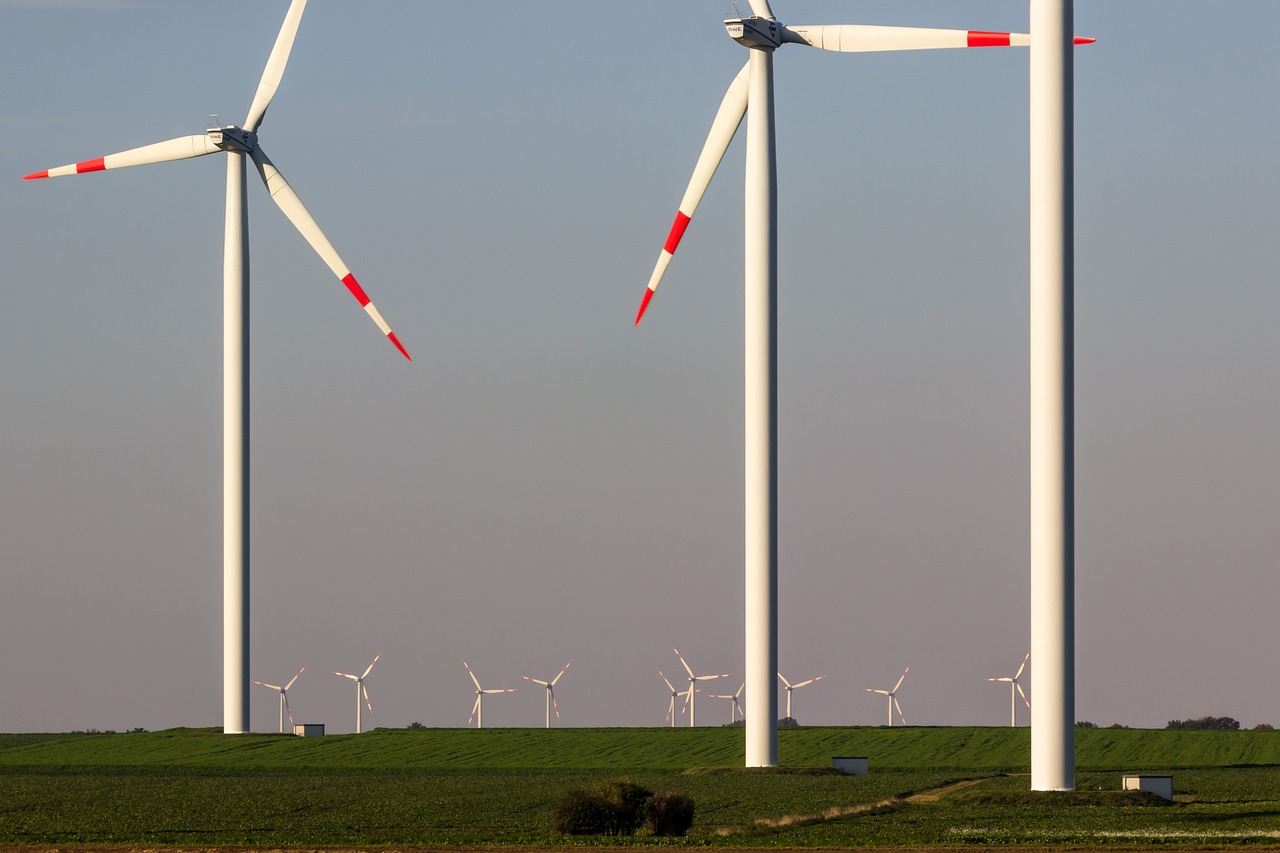
Similarly, wind energy has experienced a surge in adoption. Offshore and onshore wind farms are now a common sight in many countries, contributing significantly to the energy mix. Wind energy’s scalability and low environmental impact make it a key player in the transition to a sustainable energy future.
The Role of Energy Efficiency
While renewable energy sources are vital, improving energy efficiency is equally important in addressing climate change. Energy efficiency involves optimizing the use of energy to achieve the same or better outcomes with less consumption.
Innovations in building design, industrial processes, and transportation are helping reduce energy demand. For instance, the development of energy-efficient appliances, smart thermostats, and electric vehicles are transforming how we consume energy, contributing to lower emissions and reduced reliance on fossil fuels.

The concept of smart grids is also gaining traction. These are modernized electrical grids that use information and communication technology to improve the efficiency, reliability, and sustainability of electricity production and distribution. By integrating renewable energy sources and enabling two-way communication between utilities and consumers, smart grids are a cornerstone of efficient energy management.
Policy and Investment in Energy Transition
Government policies and investments play a crucial role in facilitating energy transition. Regulatory frameworks and financial incentives are necessary to drive the adoption of clean energy technologies and make them economically viable.
Many countries have set ambitious targets for reducing carbon emissions and increasing the share of renewables in their energy mix. For example, the European Union’s Green Deal aims to make Europe the first climate-neutral continent by 2050. Such policies are instrumental in accelerating the transition to a sustainable energy future.
Moreover, global investment in renewable energy is on the rise. According to the International Renewable Energy Agency (IRENA), renewable energy investment reached $329 billion in 2018, reflecting the growing confidence in clean energy solutions. This financial commitment is crucial for scaling up renewable energy projects and driving technological innovation.
Challenges and Opportunities
Despite the progress made, significant challenges remain in the path of energy transition. The intermittent nature of renewable energy sources, such as solar and wind, poses a challenge for maintaining a stable energy supply. This is where energy storage technologies, like batteries and pumped hydro storage, become essential.

Additionally, transitioning to a sustainable energy system requires rethinking and redesigning existing infrastructure. This includes upgrading power grids, developing efficient transportation systems, and building resilient cities. Such transformations demand substantial investment and collaboration between governments, businesses, and communities.
Nonetheless, the opportunities presented by energy transition are immense. It holds the potential to create millions of jobs, drive technological advancements, and foster economic growth. By investing in clean energy, countries can reduce their dependence on imported fossil fuels, enhancing energy security and geopolitical stability.
Conclusion: A Sustainable Future Through Energy Transition
As the world grapples with the impacts of climate change, energy transition emerges as a beacon of hope. By embracing renewable energy, improving energy efficiency, and fostering supportive policies, we can mitigate climate change and pave the way for a sustainable future.
The journey toward a sustainable energy future requires collective action from governments, industries, and individuals. Each step taken—whether it’s installing solar panels, investing in electric vehicles, or advocating for clean energy policies—brings us closer to a world where energy is abundant, clean, and accessible to all.
As we stand at the crossroads of energy transition, it is imperative to seize the opportunities it presents. By doing so, we can address climate change, protect our planet, and ensure a prosperous future for generations to come.
The Role of Technology in Energy Transition
Technology is a driving force behind the energy transition, enabling innovative solutions that make renewable energy more accessible and efficient. Advances in artificial intelligence, blockchain, and the Internet of Things (IoT) are reshaping how we produce, distribute, and consume energy.

Artificial intelligence, for example, is being used to optimize energy systems by predicting electricity demand and managing supply in real-time. This leads to more efficient use of resources, reduced waste, and a more stable energy grid. Similarly, blockchain technology is facilitating decentralized energy markets, allowing consumers to trade surplus energy directly with their neighbors, enhancing the flexibility and resilience of energy systems.
The integration of IoT in energy systems allows for the real-time monitoring and control of energy consumption. Smart meters and connected appliances provide users with insights into their energy usage patterns, encouraging more sustainable behaviors and reducing unnecessary consumption.
Community Involvement and Social Impacts
For energy transition to be successful, it requires widespread community involvement and acceptance. Engaging local communities in renewable energy projects can enhance social cohesion and ensure that the benefits of clean energy are shared equitably.
Community energy projects, where local citizens own and operate renewable energy installations, are gaining popularity. These projects empower communities to have a say in their energy future, promote local economic development, and increase public support for renewable energy initiatives.
Furthermore, energy transition has significant social implications. It offers opportunities for job creation and skill development in new industries, fostering economic inclusion and reducing inequalities. However, it is crucial to ensure a just transition, where workers displaced from fossil fuel sectors are supported through retraining and social protection measures.
Global Collaboration and Partnerships
Addressing climate change through energy transition requires global collaboration and partnerships. Climate change is a borderless challenge that necessitates collective action and shared solutions.
International agreements, such as the Paris Agreement, are fundamental in setting unified goals and fostering cooperation among nations. These frameworks encourage countries to commit to reducing their carbon emissions and increasing their use of renewable energy.
Furthermore, partnerships between governments, private sector actors, and non-governmental organizations are essential in driving innovation and scaling up renewable energy technologies. Collaborative research and development efforts can accelerate the discovery of breakthrough technologies that further propel the energy transition.
The Path Forward: Embracing a Clean Energy Future
The path towards a sustainable future through energy transition is clear, but it requires determination, innovation, and collaboration. By embracing clean energy technologies, enhancing energy efficiency, and fostering supportive policies, we can significantly reduce our carbon footprint and mitigate the impacts of climate change.
It is imperative to continue investing in research and development to drive down the costs of renewable energy technologies and make them more accessible to all. Additionally, fostering a culture of sustainability and raising awareness about the benefits of energy transition can mobilize individuals and communities to take action.
As we move forward, we must remain committed to building a sustainable energy system that is resilient, equitable, and environmentally friendly. By doing so, we can ensure a more sustainable future for our planet and future generations, creating a world where clean, renewable energy powers our homes, industries, and economies.
In conclusion, the energy transition is not merely an environmental necessity but a monumental opportunity to reshape our societies for the better. By harnessing the power of renewable energy and innovative technologies, we can address climate change, drive sustainable development, and create a brighter future for all.