The Economic Impact Of Energy Transition What To Expect
Updated: April 9, 2026
The Economic Impact of Energy Transition: What to Expect
As the world grapples with the pressing need to combat climate change, the energy transition from fossil fuels to renewable energy sources has become a pivotal strategy. This shift is not only crucial for environmental sustainability but also carries significant economic implications. Understanding these impacts is essential for policymakers, businesses, and consumers alike. This blog post delves into the various economic dimensions of the energy transition, offering a comprehensive analysis of what to expect in the coming years.
The Current Landscape of Energy Transition
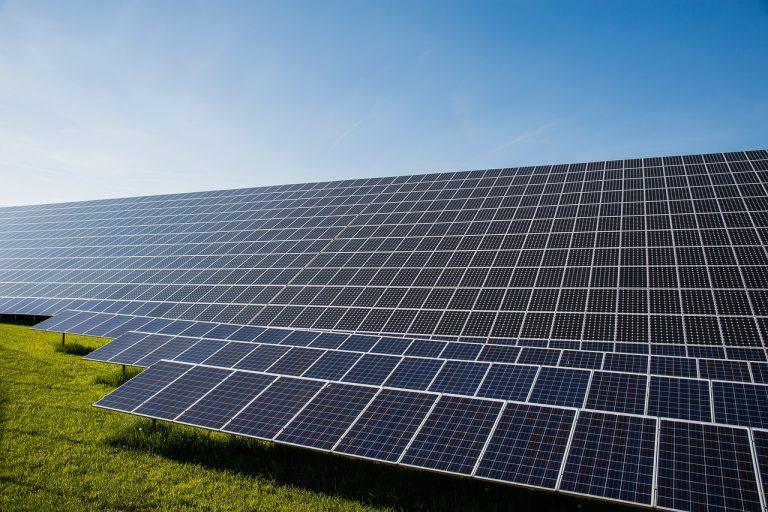
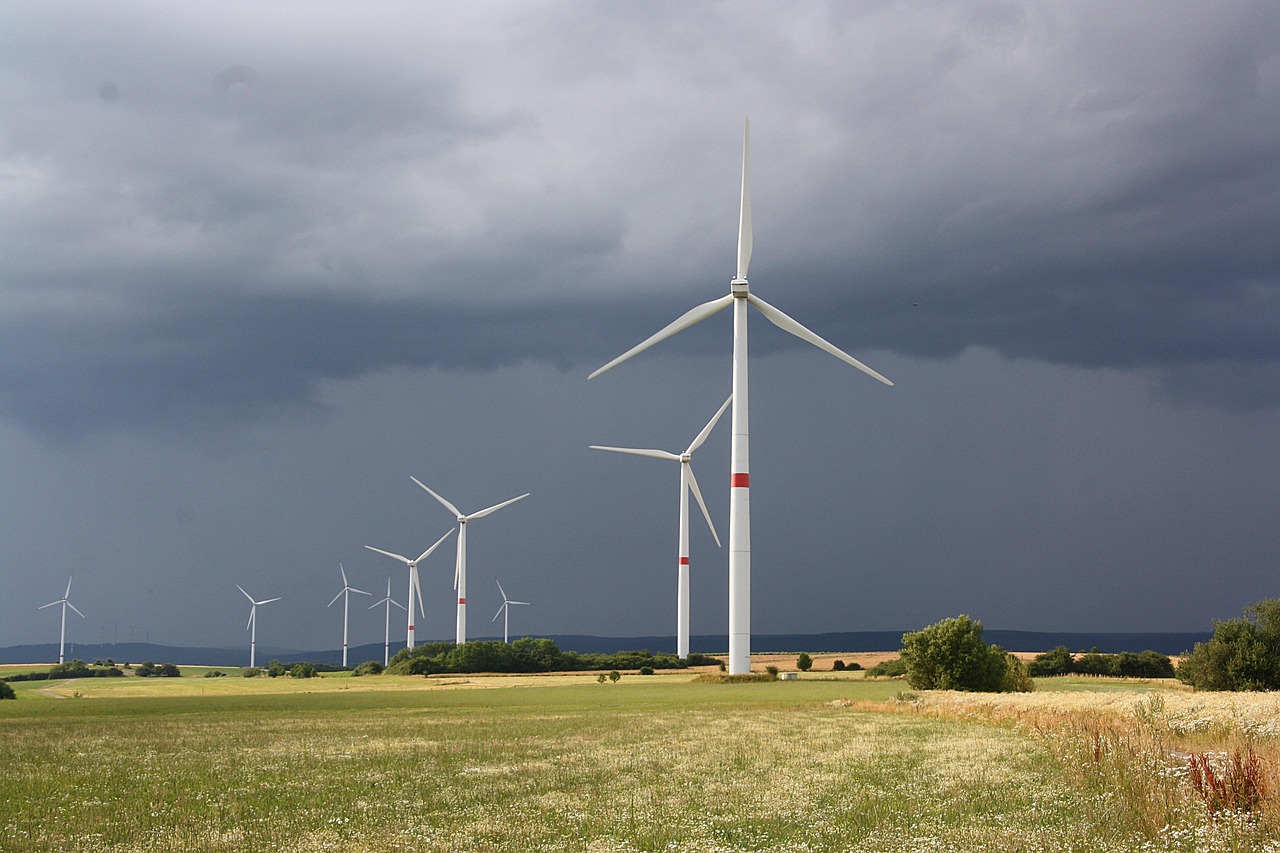
The transition to renewable energy is well underway, driven by technological advancements, policy initiatives, and increasing public awareness. According to the International Energy Agency, global investment in renewable energy reached record levels in recent years, with solar and wind energy leading the charge. This momentum is reshaping the global energy landscape, gradually diminishing the dominance of fossil fuels.
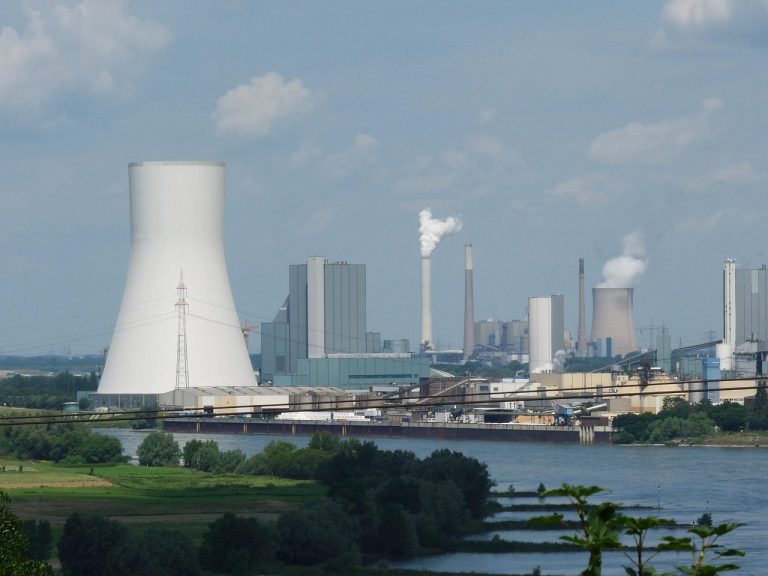
However, the journey is far from over. There remains a substantial dependency on coal, oil, and natural gas, especially in developing economies. Balancing the transition while ensuring energy security and affordability poses a complex challenge that requires strategic economic planning.
Economic Opportunities Presented by Energy Transition
The shift towards renewable energy presents numerous economic opportunities. One prominent area is job creation. The renewable energy sector is labor-intensive compared to fossil fuels, leading to increased employment opportunities. For instance, the International Renewable Energy Agency reports that the renewable energy sector employed over 12 million people globally, a number expected to grow as the transition accelerates.
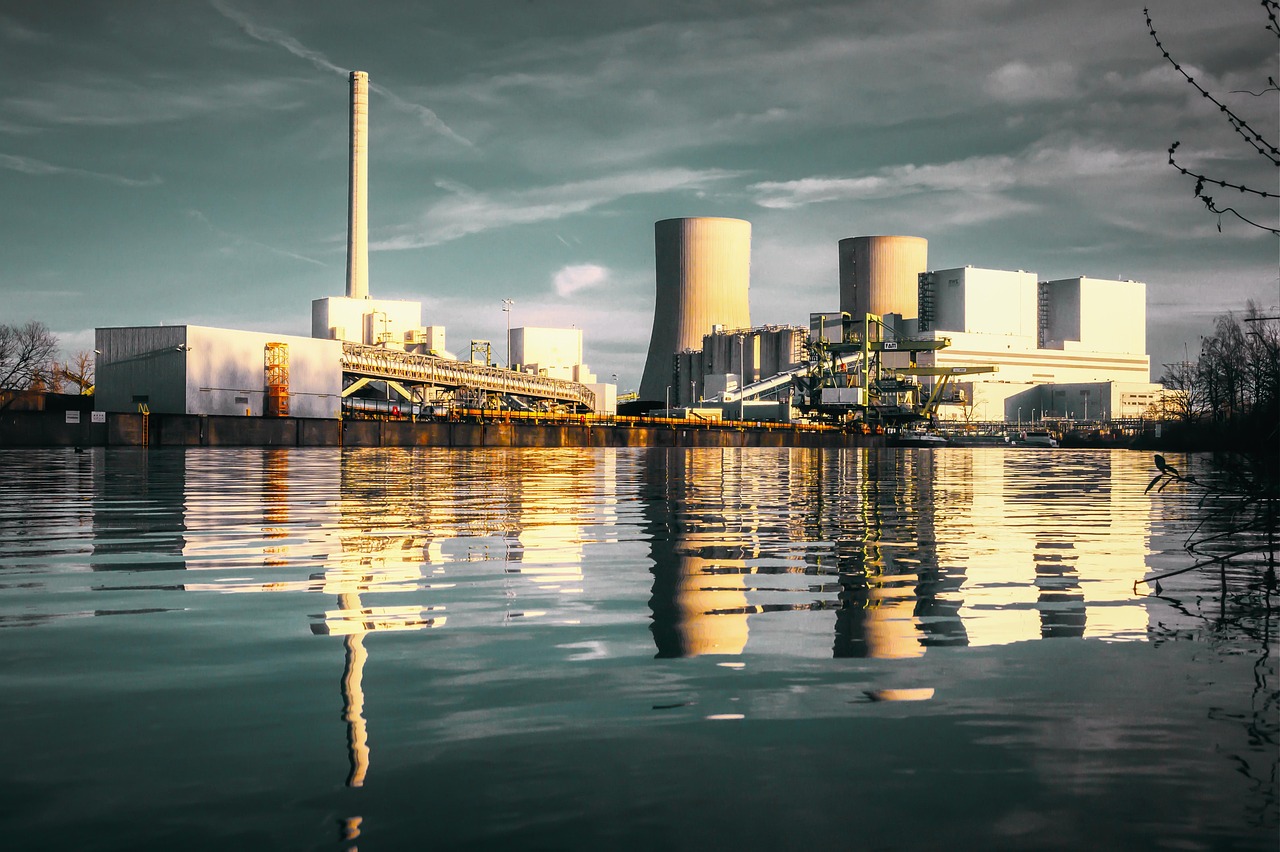
Moreover, the proliferation of renewable technologies such as solar panels, wind turbines, and energy storage systems has spurred innovation and entrepreneurship. This has led to the emergence of new business models, contributing to economic diversification and resilience. Startups and established companies alike are capitalizing on the demand for clean energy solutions, driving economic growth and development.
Challenges and Costs Associated with Energy Transition
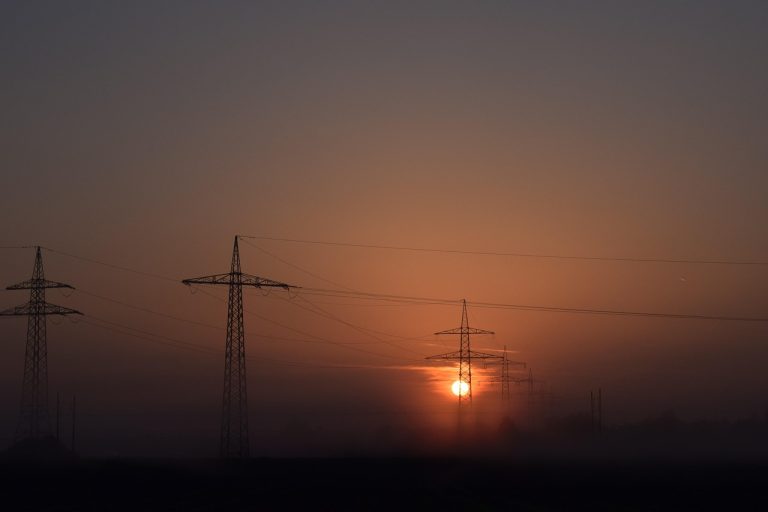
While the benefits are substantial, the energy transition is not without its challenges. One significant hurdle is the financial cost. The transition requires substantial investment in infrastructure, research, and development. Upgrading the grid to accommodate intermittent renewable sources, deploying energy storage systems, and decommissioning fossil fuel plants are capital-intensive processes.
These financial burdens often fall on governments and taxpayers, prompting debates on how to equitably distribute costs. Furthermore, regions heavily reliant on fossil fuels for employment and revenue face potential economic disruption. For instance, coal-dependent communities are at risk of economic decline as mines and power plants close, necessitating comprehensive transition plans and financial support.
Impact on Global Trade and Energy Markets
The energy transition is altering global trade dynamics, particularly in the energy sector. Countries rich in renewable resources are poised to become new energy powerhouses, potentially reshaping global energy supply chains. For example, nations with abundant solar and wind resources, such as those in the Middle East and North Africa, are exploring opportunities to export green hydrogen, a clean energy carrier.

Conversely, traditional fossil fuel exporters face diminishing demand, which could lead to economic instability. Oil-dependent economies, such as those in the Gulf region, are seeking to diversify their economies to mitigate the risks associated with this transition.
Policy and Regulatory Frameworks Supporting the Transition
Effective policy and regulatory frameworks are critical to facilitating a smooth energy transition. Governments worldwide are implementing measures to encourage the adoption of renewable energy and reduce carbon emissions. Incentives such as tax credits, subsidies, and feed-in tariffs have been instrumental in accelerating renewable energy deployment.
Moreover, international agreements like the Paris Agreement play a pivotal role in shaping energy policies. These frameworks aim to coordinate global efforts, setting targets for emissions reduction and encouraging countries to adopt cleaner energy sources. Such regulatory environments are crucial for fostering investor confidence and driving economic growth in the renewable sector.
The Role of Technology and Innovation
Technological advancements and innovation are at the heart of the energy transition. Breakthroughs in solar panel efficiency, wind turbine design, and battery storage technology are reducing costs and enhancing the viability of renewable energy. The rapid development of smart grid technology is also facilitating the integration of renewable sources, improving energy efficiency and reliability.
Furthermore, digital technologies such as artificial intelligence and blockchain are revolutionizing energy management. These innovations enable more efficient energy distribution, predictive maintenance, and enhanced grid security, contributing to the overall economic benefits of the transition.
Conclusion: The Path Forward

The economic impact of the energy transition is multifaceted, offering both challenges and opportunities. While the transition presents significant financial and logistical hurdles, the potential benefits in terms of job creation, economic diversification, and environmental sustainability are substantial. Policymakers, businesses, and communities must collaborate to navigate this complex landscape, ensuring an equitable and prosperous transition for all.
As we move forward, it is imperative to embrace innovation, invest in infrastructure, and develop robust policy frameworks that support the transition. By doing so, we can harness the full potential of renewable energy, paving the way for a more sustainable and economically resilient future.
Strategies for Mitigating Transition Challenges
To successfully navigate the challenges of the energy transition, comprehensive strategies are needed. Governments and industries must work collaboratively to develop policies that support economic stability and growth during this period of change. Here are key strategies that can help mitigate the challenges associated with energy transition:
Investing in Workforce Development
As sectors evolve, there is a pressing need for workforce development programs that focus on upskilling and reskilling workers. This is particularly crucial for individuals in fossil fuel-dependent industries who may face job displacement. Training programs in renewable energy technologies, energy efficiency, and digital skills can help workers transition into new roles, minimizing economic disruption.
For instance, partnerships between educational institutions and industry players can create tailored training programs that align with current and future job market demands. This proactive approach ensures a smooth transition for workers and supports the overall economic health of transitioning communities.
Fostering Public-Private Partnerships

Public-private partnerships (PPPs) play a vital role in advancing the energy transition. By leveraging the strengths of both sectors, PPPs can drive investment, innovation, and the implementation of sustainable energy projects. These collaborations are particularly effective in financing large-scale infrastructure projects, such as renewable energy installations and grid upgrades.
Moreover, PPPs can facilitate knowledge transfer and technology sharing, accelerating the adoption of cutting-edge solutions. By fostering these partnerships, governments can stimulate economic growth while addressing the financial challenges of the transition.
Implementing Just Transition Policies
The concept of a “just transition” emphasizes the need to ensure that the move towards a low-carbon economy is inclusive and equitable. Just transition policies aim to support workers and communities affected by the shift away from fossil fuels. This includes financial assistance, social protection measures, and community engagement initiatives designed to foster resilience and economic diversification.
Countries like Germany have implemented just transition plans, providing a framework for others to follow. These policies help manage the social and economic impacts of the transition, ensuring that no one is left behind in the shift to a sustainable energy future.
Global Case Studies of Energy Transition
Several countries offer valuable insights into the economic impacts of energy transition through their experiences. These case studies highlight both successes and challenges, providing lessons for other nations embarking on similar journeys.
Denmark: A Leader in Wind Energy
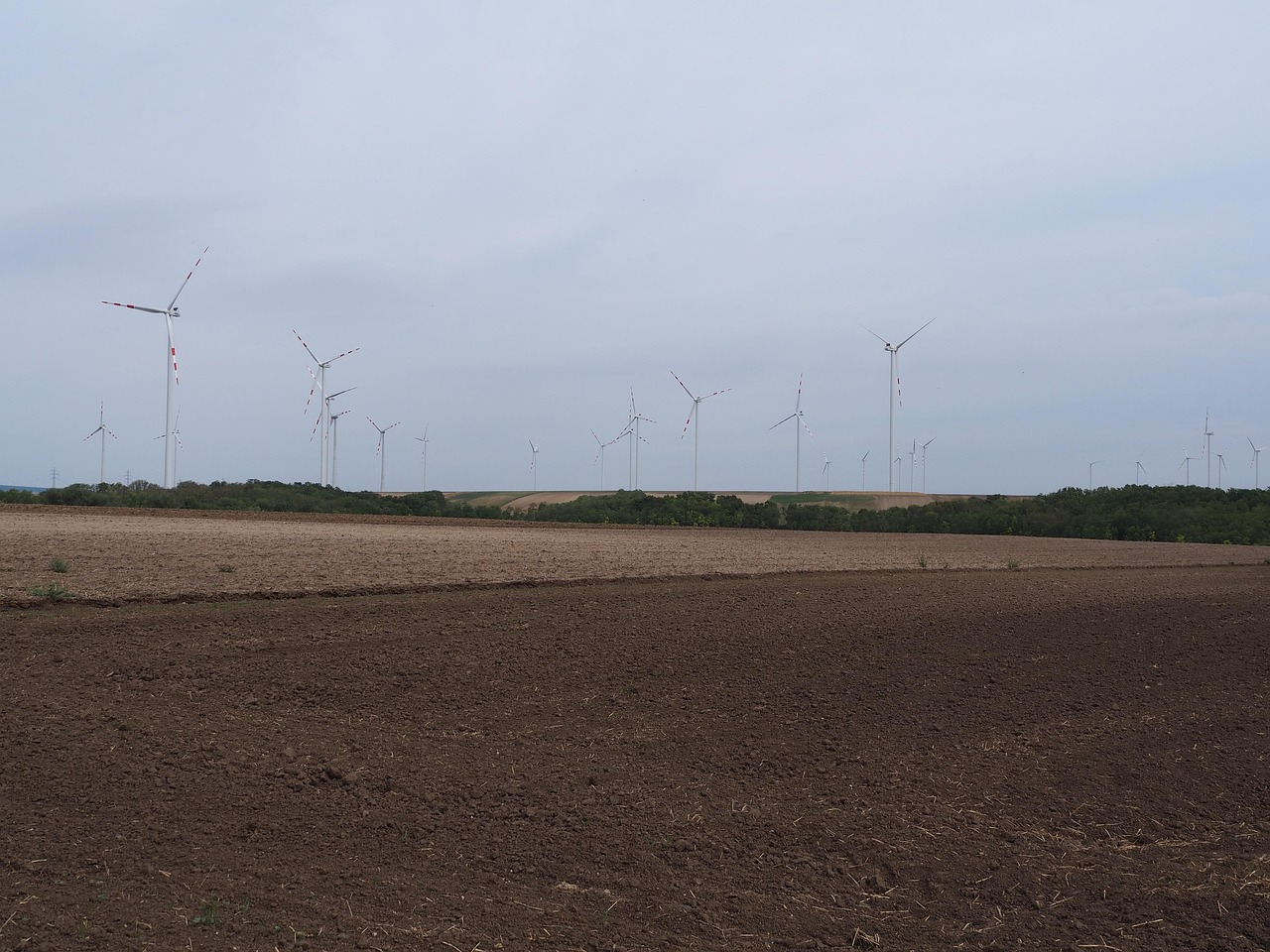
Denmark is often cited as a pioneer in wind energy, having invested heavily in wind power since the 1970s. Today, wind energy accounts for a significant portion of the country’s electricity generation, contributing to energy security and economic growth. The Danish government’s support for research and innovation has been instrumental in developing a world-class wind industry, creating jobs, and establishing Denmark as a global leader in renewable energy technology.
China: Scaling Solar Power
China’s commitment to renewable energy is evident in its rapid expansion of solar power capacity. As the world’s largest producer of solar panels, China has leveraged its manufacturing capabilities to drive down costs and make solar energy more accessible. The solar industry has created millions of jobs, bolstering local economies and reducing reliance on coal. However, challenges remain, such as managing overcapacity and ensuring sustainable development of the industry.
Germany: The Energiewende Initiative
Germany’s Energiewende, or “energy transition,” initiative aims to phase out nuclear power and increase the share of renewables in the energy mix. This ambitious plan has led to significant investments in wind and solar energy, as well as energy efficiency measures. While the transition has spurred economic growth and innovation, it has also faced criticism for high costs and grid stability issues. Nevertheless, Germany’s experience highlights the importance of a comprehensive policy framework in driving the energy transition.
Conclusion: Economic Resilience Through Transition
The economic impact of energy transition is profound, influencing global trade, labor markets, and technological innovation. While challenges exist, the potential for economic resilience and sustainable growth is immense. By embracing strategic policies, fostering innovation, and ensuring inclusive transition practices, we can navigate the complexities of this transformation.
As the world moves towards a more sustainable energy future, collaboration and commitment are essential. By learning from global case studies, investing in workforce development, and fostering public-private partnerships, we can unlock the economic potential of the energy transition, ensuring a brighter, more sustainable future for generations to come.