The Economic Impact Of Energy Transition What To Expect
Updated: April 9, 2026
In Brazil, the transition to a low-carbon economy is shaping national debates about forests, energy, and everyday livelihoods. The concept of a sustainable Brazil hinges on a delicate balance between protecting biodiversity and enabling growth, a balance that the phrase brazil Environment Brazil captures for readers across the country. This analysis offers a pragmatic look at how policy choices, market mechanisms, and local realities interact, and what scenarios could unfold over the next decade as climate goals tighten and public expectations rise.
Policy Realities: Deforestation, Protected Areas, and International Pressure
Brazil’s conservation regime sits at the intersection of legal protections, budgetary constraints, and enforcement capacity. Public narratives stress the importance of safeguarding the Amazon and other biomes, yet policy is not simply a matter of law on the books. Deforestation remains driven by a mix of agricultural expansion, mining, and land tenure disputes, complicating efforts to expand protected areas or strengthen monitoring. International pressure, whether from trade partners or global environmental groups, has historically nudged policymakers toward stronger protections, as reflected in high-profile calls that linked endangered species protections to broader climate commitments. While external voices can catalyze reforms, effective action ultimately requires coherent domestic implementation, civil society oversight, and credible funding for forest monitoring, land tenure resolution, and indigenous rights. In practical terms, the next phase will hinge on clearer forest governance, transparent data, and a credible plan to align concession policies with conservation objectives.
This dynamic is not purely theoretical. Domestic politics, budget cycles, and locally grounded concerns—such as the livelihoods of smallholders and Indigenous communities—shape how reforms are priced and implemented. A credible policy pathway combines stronger enforcement with community co-management, clearer land tenure rules, and flexible financing mechanisms that reward conservation without stalling development. The balance remains fragile: too little enforcement invites backsliding; too rigid a framework risks excluding people who depend on land for survival. The result is a policy landscape that may progressively tighten protections where governance is strong, while testing new approaches in places where capacity is uneven.
Markets, Finance, and the Carbon Quandary
Brazil’s climate ambitions are inseparable from how money moves. Carbon markets, farm-scale certification, and corporate supply-chain pressures push producers toward lower-emission practices, but the system remains fragmentary and uneven in governance. Some actors see opportunities in nature-based finance, such as payments for ecosystem services or reforestation-linked investments, while others warn of double counting, leakage, and uneven distribution of benefits. The Bahia example of carbon-neutral service-sector expansion—often cited in legal and policy summaries—illustrates how regions attempt to translate decarbonization into concrete business models. Yet achieving credible results requires robust measurement, third-party verification, and clear rules to avoid greenwashing, especially in export-linked sectors and commodity supply chains. A pragmatic path focuses on traceability, transparent accounting, and public-private partnerships that fund local capacity and ensure social safeguards for forest communities.
Beyond national borders, international markets and bilateral agreements increasingly condition access to capital and markets on climate performance. This linkage creates a powerful incentive for consistent, verifiable action, but it also raises the stakes for transparency and governance. For Brazil, aligning climate finance with forest protection means building credible, verifiable baselines for emissions and removals, while maintaining competitiveness in key sectors like agribusiness, energy, and mining. The challenge is not only to reduce emissions but to do so in a way that distributes incentives fairly, avoids heightening regional disparities, and sustains rural livelihoods that depend on land and ecosystem services.
Urban Resilience vs Rural Realities: Infrastructure and Livelihoods
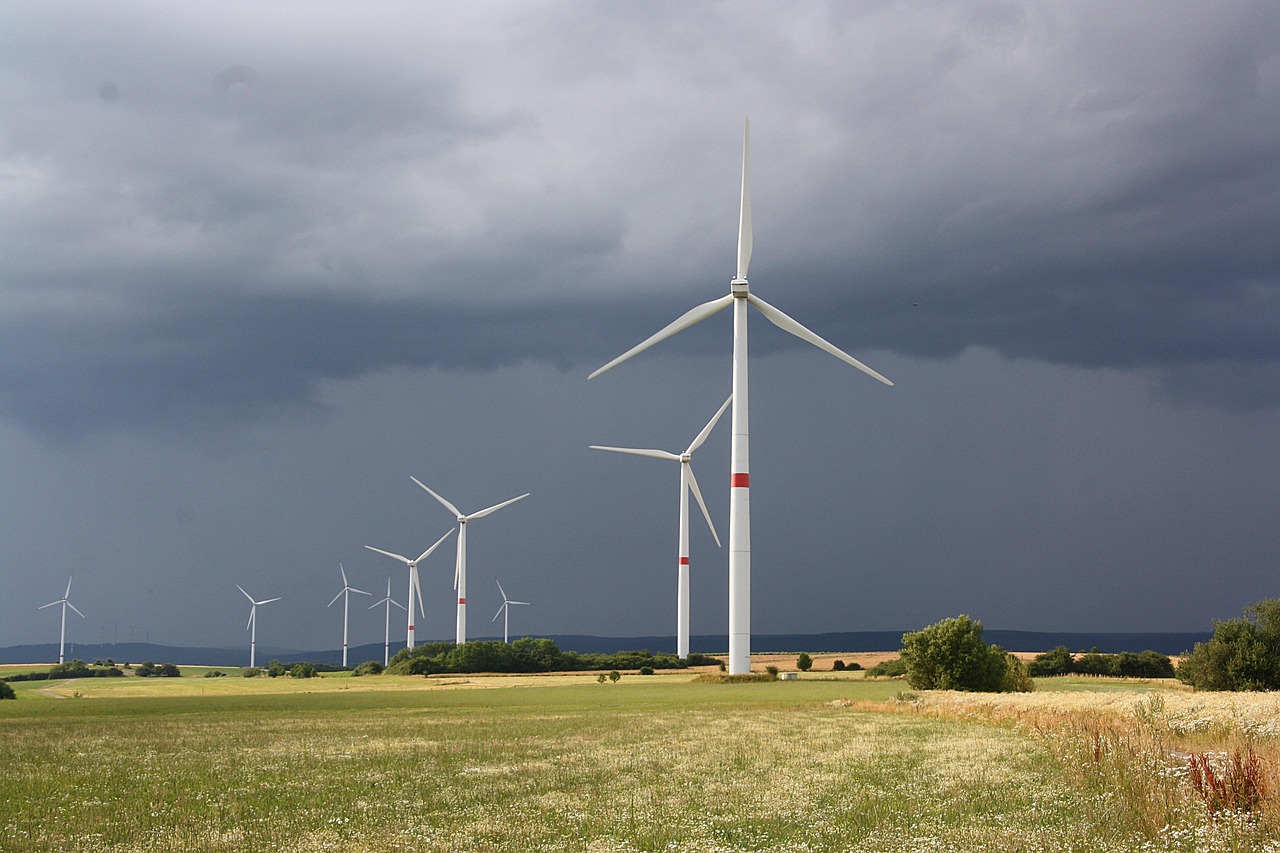
Urban centers are both engines of decarbonization and focal points for adaptation. Cities invest in transit, energy-efficient buildings, and grid modernization, while rural areas confront land-use changes, biodiversity pressures, and livelihoods tied to land and natural resources. A practical climate strategy must bridge these scales: clean electrification and distributed energy can reduce urban emissions, but rural communities may require incentives, technical support, and secure land tenure to participate in forest-friendly livelihoods. Brazil’s energy matrix—with renewables, hydro, and increasingly solar and wind—shows that decarbonization is technically feasible, yet it must be paired with inclusive governance so that smallholders, traditional communities, and Indigenous groups share in benefits and bear responsible risks. Policy coherence across sectors—agriculture, energy, transport, and mining—will determine whether climate action aligns with economic development rather than competing objectives.
In practice, success hinges on connecting policies to tangible on-the-ground outcomes. Integrated planning that ties forest protections to rural development programs, for example, can help communities see climate action as an opportunity rather than a constraint. It also requires transparent data on land use, emissions, and livelihood indicators so local leaders can navigate trade-offs and claim credit for progress. The result should be a more resilient national system where urban and rural areas mutually reinforce the gains from decarbonization, rather than competing for scarce resources or bargaining power.
Actionable Takeaways
- Strengthen forest governance through transparent data, independent monitoring, and clear penalties for illegal deforestation.
- Link conservation targets with social safeguards, ensuring communities benefit from sustainable livelihoods and receive technical support.
- Expand credible finance for nature-based solutions, with independent verification and measures to prevent double counting or leakage.
- Promote supply-chain transparency for exporters and producers to reduce emissions while maintaining competitiveness.
- Invest in rural-urban infrastructure that accelerates decarbonization, such as distributed solar, efficient logistics, and climate-resilient agriculture.