
Eco Innovation How Technology Is Leading The Fight Against Climate Change
Updated: April 9, 2026
In brazil’s Environment Brazil, climate risk, governance, and development policy converge in the public sphere as floods escalate and communities face repeated disasters.
Context: Floods, Governance, and Climate Pressure
Across Brazil, heavy rainfall and shifting weather patterns are testing municipal readiness and national plans. Landslides and floods often overwhelm limited drainage, soil stability, and emergency services, exposing gaps in planning, land-use policy, and forest protection. The current moment features a visible political dimension: leaders are pressed to show decisive action, coordinate cross-jurisdiction responses, and demonstrate that climate adaptation is not optional but central to growth. Analysts note that the flood cycle is both a symptom and a driver of policy choices. When rainfall is intense, the consequences spread beyond the immediate damaged zones to rural economies, urban peripheries, and Indigenous territories that depend on watershed health. The political question is whether adaptation will be funded and implemented with long-term clarity or continue as a series of reactive patches.
Policy Gaps: Why Resilience Has to Be Built from the Ground Up
Policy design should align environmental protection with infrastructure, housing, and social protection. Yet in many regions, budget constraints, fragmented governance, and uneven enforcement hamper resilience. The question is not only about new funds, but about how to channel existing resources toward risk-informed planning: updated zoning that prevents risky settlements in floodplains; restored riparian buffers that slow runoff; and nature-based solutions that deliver co-benefits for biodiversity and livelihoods. Brazil’s public discourse often conflates disaster relief with resilience; a more effective approach treats prevention as a core investment, including climate-risk insurance for smallholders, and transparent prioritization of projects that reduce exposure while preserving ecosystems that store water and regulate microclimates.
Local Realities and Community Adaptation
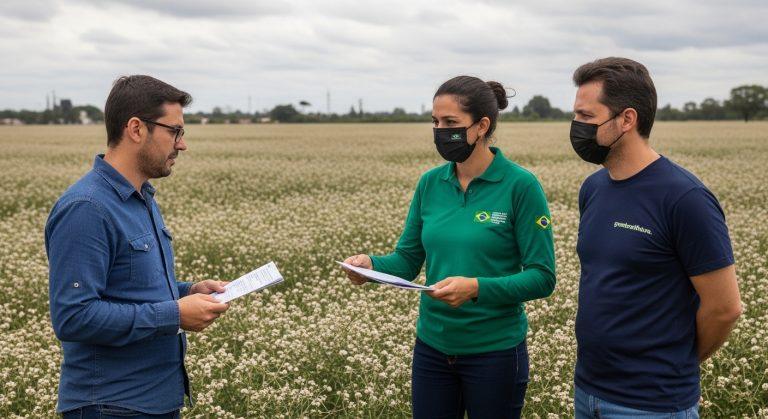
Communities in flood-prone regions show how resilience is built at the local level. Citizens, cooperatives, and municipal teams test early-warning systems, community-led risk assessments, and local restoration projects that reinforce slope stability and water retention. In many cases, adaptation requires bridging the gap between conservation commitments and practical livelihoods, ensuring that farmers, fishers, and urban poor gain access to basic services during crises. Collaboration between communities, scientists, and local governments can accelerate the deployment of affordable drainage improvements, rainwater harvesting, and community shelters that function even when central services are overwhelmed. The social fabric around flood risk—education, trust in authorities, and inclusive planning—often determines how quickly and effectively households recover after a disaster.
Paths Forward: Policy to Practice
The path forward hinges on translating climate science into concrete, scalable action. Authorities should prioritize cross-sector planning that unites land use, water resources, health, and disaster management under a single resilience framework. This includes expanding climate finance with practical mechanisms for rapid disbursement after events, scaling nature-based solutions such as reforestation and mangrove restoration where applicable, and embedding risk reduction into school curricula and public communications. Brazil can model policy coherence by pairing robust monitoring with transparent results, enabling communities to see how investments translate into safer neighborhoods, stable agricultural outputs, and cleaner air. The broader macro vision should also emphasize regional cooperation for river-basin management, drought and flood mitigation, and shared standards for building in risk-prone zones.
Actionable Takeaways
- Invest in integrated flood-risk management that combines early-warning systems, land-use planning, and green infrastructure in urban and rural areas.
- Expand nature-based solutions, including reforestation, riparian buffers, and mangrove restoration, to increase water retention and biodiversity while reducing flood peaks.
- Align climate adaptation with social protection by funding resilient housing, micro-insurance for farmers, and accessible emergency services during disasters.
- Strengthen local governance by empowering municipalities with data-driven planning, stable funding, and clear accountability for resilience projects.
- Enhance public communication and community participation to ensure risk information reaches vulnerable groups and builds trust in authorities.
Source Context
Background reporting that informs this analysis includes the following pieces:
From an editorial perspective, separate confirmed facts from early speculation and revisit assumptions as new verified information appears.