The Future Of Energy Understanding The Global Energy Transition
Updated: April 9, 2026
The Current Environmental Landscape in Brazil
Brazil is currently at a crossroads, facing escalating environmental challenges that threaten its rich biodiversity and the well-being of its population. Recent incidents, such as the devastating floods that claimed over 30 lives, underscore the urgent need for comprehensive climate action. These extreme weather events are becoming increasingly frequent, raising alarms about the impacts of climate change across the country.
The Role of Policy in Environmental Protection
Policy decisions play a critical role in shaping Brazil’s environmental future. The Brazilian government has recently engaged in international agreements, notably with India, aimed at developing shared resources for climate resilience. These agreements represent a significant step toward collaborative efforts to combat climate change. However, the effectiveness of such policies hinges on their implementation at the local level, where community engagement and enforcement are often lacking.
Impact of Agricultural Practices on the Environment
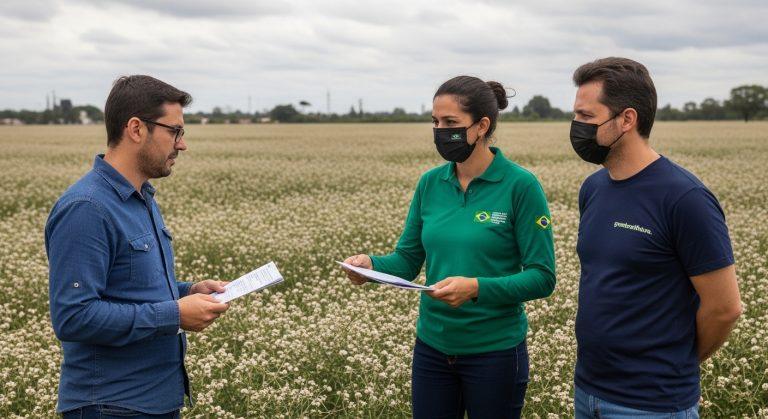
Brazil’s economy heavily relies on agriculture, with commodities like coffee being central to its identity. The recent introduction of real-time tracking by CONAB for compliance with EU environmental standards reflects a growing awareness of the need for sustainable agricultural practices. The challenge remains: how to balance economic interests with ecological sustainability. The agricultural sector must innovate to reduce its carbon footprint while maintaining productivity to meet global demand.
Community Involvement and Grassroots Movements
Grassroots movements and local communities are pivotal in advocating for environmental justice and sustainability. These groups often have the most direct experience with the impacts of environmental degradation and climate change. Empowering these communities through education and resources can lead to effective local solutions that contribute to broader national goals. Highlighting successful case studies from around Brazil can inspire similar initiatives, fostering a culture of environmental stewardship.
Adaptation and Resilience: Preparing for the Future
Brazil must prioritize adaptation strategies to build resilience against climate-related disasters. Investments in infrastructure that can withstand extreme weather, alongside initiatives for reforestation and biodiversity conservation, are essential. Moreover, enhancing public awareness about climate risks and sustainable practices can facilitate community-driven adaptation efforts, ensuring that the population is better prepared for future challenges.
Take Action: A Path Forward
As Brazil navigates these complex environmental challenges, individuals, communities, and policymakers must come together to forge a sustainable path forward. Supporting local initiatives, promoting sustainable agricultural practices, and advocating for strong environmental policies can create a collective impact. The necessity for a unified approach cannot be overstated; the health of Brazil’s environment is inherently linked to the prosperity of its people.