The Economic Impact Of Energy Transition What To Expect
Updated: April 9, 2026
The Growing Impact of Climate Change in Brazil
Brazil, a country rich in biodiversity and a significant player in global environmental issues, is grappling with increasingly severe climate challenges. Recent flooding in the Southeast region has tragically claimed over 30 lives, highlighting the urgent need for effective climate action. As environmental conditions worsen, the repercussions for both human populations and ecosystems become progressively dire.
Policy Rollbacks and Environmental Challenges
In recent years, Brazil has faced significant political shifts that have affected its environmental policies. The rollback of specific regulations aimed at protecting natural habitats has raised alarms among environmentalists and scholars alike. Such policy reversals not only threaten biodiversity but also undermine Brazil’s commitments to international climate agreements. The ongoing struggle between development and conservation is at the forefront of national discourse.
International Collaborations: A Path Forward?
Amid these challenges, Brazil is also looking outward for solutions. Recent agreements with India on climate resources indicate a strategic move towards international collaboration in addressing climate change. By sharing resources and best practices, Brazil can enhance its resilience to climate impacts while promoting sustainable development. This cooperation signals a recognition that climate change knows no borders and necessitates a unified global response.
Brazil’s Coffee Industry: Striving for Sustainability
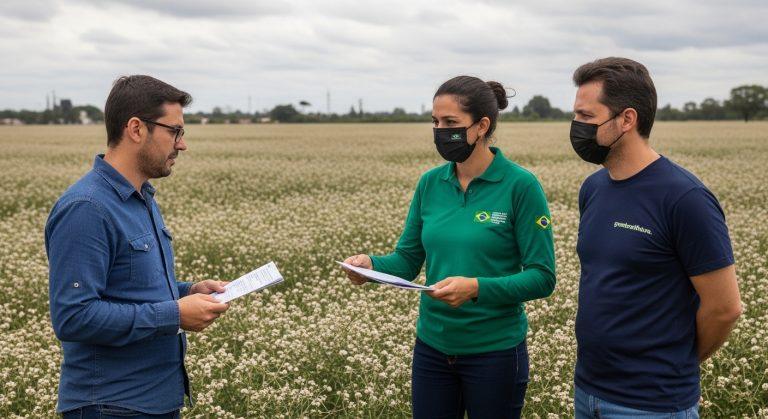
The coffee sector, a crucial pillar of Brazil’s economy, is under scrutiny as new EU environmental regulations come into play. The National Supply Company (CONAB) is now actively monitoring compliance with these standards, ensuring that Brazilian coffee meets international sustainability criteria. This proactive step could serve as a model for other industries within Brazil, demonstrating how compliance with environmental standards can lead to both economic viability and ecological responsibility.
Actionable Takeaway
As Brazil confronts these multifaceted environmental issues, it is imperative for citizens, businesses, and policymakers to take collective action. Advocating for sustainable practices, supporting legislation that protects natural resources, and engaging in community initiatives can help foster a healthier and more resilient environment. By prioritizing ecological sustainability, Brazil can work towards a future where development and conservation coexist.
Conclusion
The path ahead for Brazil is fraught with challenges, yet it also holds immense potential for innovation in environmental governance. As the country grapples with the immediate impacts of climate change and navigates complex policy landscapes, the commitment to sustainable development will be essential. The choices made today will shape not only Brazil’s ecological future but also its position on the global stage in combating climate change.
Source Context
This article is an original commentary based on recent public reports:
- EPA sued over rollback of endangerment finding, and other climate and nature news – The World Economic Forum
- Rescuers search for missing after deluge kills 30 in Brazil – RFI
- CONAB tracks in real time whether coffee meets EU environmental rules – Valor International
- Brazil and India develop agreements on climate resources – IOM3