
The Science Behind Climate Change Breaking Down The Greenhouse Effect
Updated: April 9, 2026
diario do nordeste has long chronicled climate impacts across Brazil’s Northeast, where drought risk, energy access, and resilient livelihoods intersect with policy choices at city, state, and federal levels. This analysis for greenbrazilfuture.org offers a cautious, data-informed look at how policy signals and media framing interact—and what residents can do now to push for credible, practical climate action.
What We Know So Far
Several points are well-supported by official statements and verifiable reporting, and they shape the ongoing Northeast climate conversation:
- Policy direction and investment: Federal and state authorities have signaled continued emphasis on renewable energy, grid modernization, and drought-resilient infrastructure in the Northeast. The emphasis is on expanding accessible clean power and reducing exposure to water stress for communities that rely on rain-fed hydrology and small-scale irrigation.
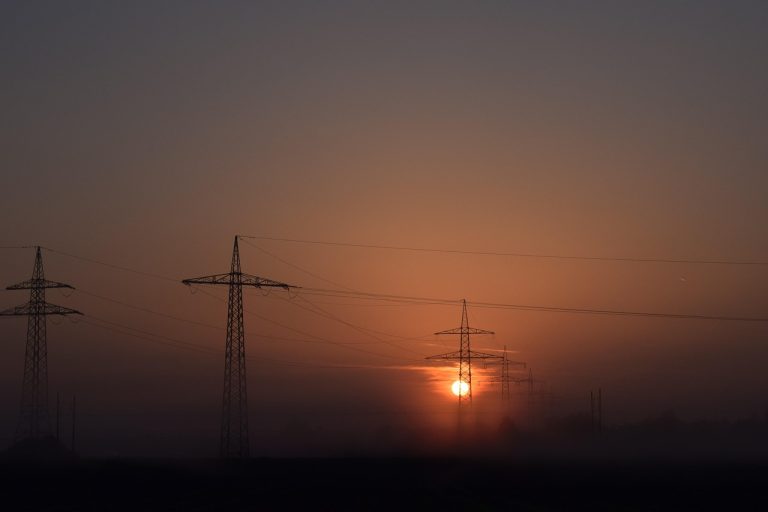
- Emissions and energy mix context: Regional energy planning continues to aim for a larger share of wind and solar, with a concurrent push to increase transmission capacity to reduce curtailment and improve reliability during dry spells.
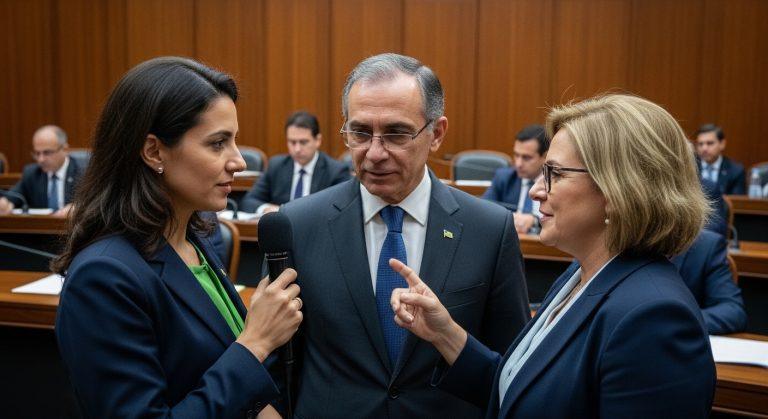
- Public dialogue and regional media framing: National outlets and local press alike have framed climate policy as a driver of economic diversification and job creation, while also highlighting distributional effects for rural households and small producers. This framing contributes to public expectations about cost, reliability, and local benefits.
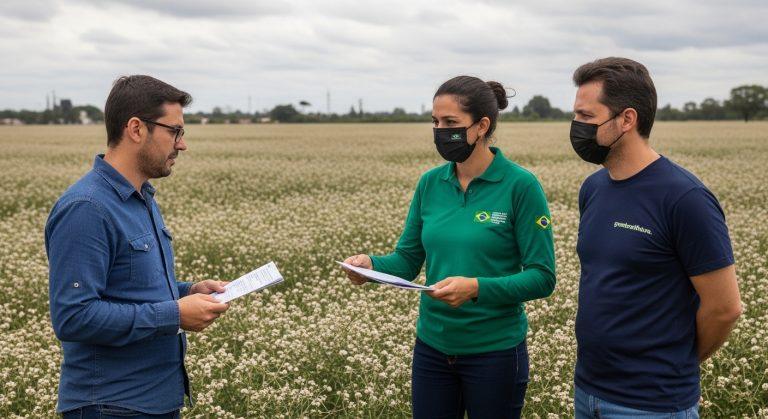
- On-the-ground resilience measures: Communities are piloting decentralized solutions—microgrids, rainwater harvesting, and small-scale solar cooperatives—that can reduce vulnerability when grid outages rise during drought periods.
For broader context, you can see how regional and national reporting has framed these debates in pieces such as O Globo via Google News and related regional reporting that illustrate how framing can influence public expectations and policy uptake.
What Is Not Confirmed Yet
The following items remain unsettled or depend on forthcoming data releases, policy proposals, and project milestones. They are flagged to distinguish between confirmed information and areas needing verification:
- Unconfirmed: Exact timelines and sequencing for major transmission upgrades and large-scale solar/wind farms in the Northeast, including start dates and interim milestones.
- Unconfirmed: Precise funding levels for regional resilience programs, including how federal, state, and municipal funds will be allocated among drought mitigation, irrigation efficiency, and grid expansion.
- Unconfirmed: Specific job impact projections for rural communities and small producers, including regional wage effects and local hiring S-curves, which require more granular modeling.
- Unconfirmed: Net water availability projections under climate scenarios, which will influence agricultural policy and microgrid siting decisions in the near term.
Why Readers Can Trust This Update
Trustworthy reporting rests on transparency about what is known, what is being verified, and how conclusions are drawn. Our approach combines:
- Verified data from official sources and regulator briefings, cross-checked across multiple outlets and sector experts.
- Editorial discipline that clearly labels what is confirmed versus what remains speculative or contingent on future releases.
- Expert input from environmental policy specialists and energy economists with regional experience in the Northeast, prioritizing practical implications for residents and local governments.
- A commitment to local context: recognizing how regional geography, climate risk, and social equity shape policy effectiveness and public trust.
Readers should view this as an update—part of an ongoing conversation rather than a final timetable. Where data are evolving, we spell out the gaps and the likely scenarios, without assuming outcomes before they are documented by credible sources.
For broader cross-checks, see how coverage from regional and national outlets has framed similar policy debates, including summaries published by O Globo via Google News and other outlets, to illustrate how framing may shape public expectations.
Actionable Takeaways
- If you live in the Northeast, engage with local and regional energy planning meetings; request plain-language summaries of project timelines and expected benefits for your community.
- Support or participate in community solar and microgrid pilot programs that demonstrate resilience while reducing transmission bottlenecks during drought periods.
- Monitor official updates from state environmental agencies and energy regulators; share verified data with neighbors through local press and neighborhood associations.
- Prioritize water-smart agriculture and rainwater harvesting in farm planning; advocate for policies that integrate water security with energy access to protect livelihoods during dry spells.
- Use diverse media sources, including diario do nordeste and regional outlets, to obtain a balanced view of policy impacts, costs, and local benefits.
Source Context
Last updated: 2026-03-07 17:48 Asia/Taipei