
Addressing Climate Change How Energy Transition Contributes To A More Sustainable Future
Updated: April 9, 2026
The river Environment Brazil is at the heart of Brazil’s environmental debate as the country negotiates growth with ecological safeguards. This analysis traces how policy choices, market pressures, and local knowledge collide along Brazil’s most important waterways, shaping not just ecosystems but the livelihoods of millions who live along the banks. Across basins from the Amazon to the Paraná, decisions about water rights, pollution controls, and land use ripple through cities and rural communities. The aim is not mere critique but a practical map of where governance can bend toward resilience, equity, and long term stewardship of river resources.
Policy, water rights, and the risk of commodification
Brazil has long treated rivers as public trust resources, but shifts in policy debates about water allocation, pricing, and private investment threaten to reframe rivers as commodities. The debate intersects with Amazon protection, hydropower ambitions, and agricultural expansion. When water becomes a tradable asset, governance gaps grow – pollution, over-extraction, and inequitable access can intensify. In the Amazon, where hundreds of communities rely on waterways for transport, fishing, and drinking water, governance choices must balance efficiency with rights, equity, and ecological resilience. International attention, including coverage of privatisation attempts and reform proposals, underscores a broader risk: if oversight weakens, the river can be a battleground for short-term gains rather than long-term stewardship.
Communities, livelihoods, and river stewardship
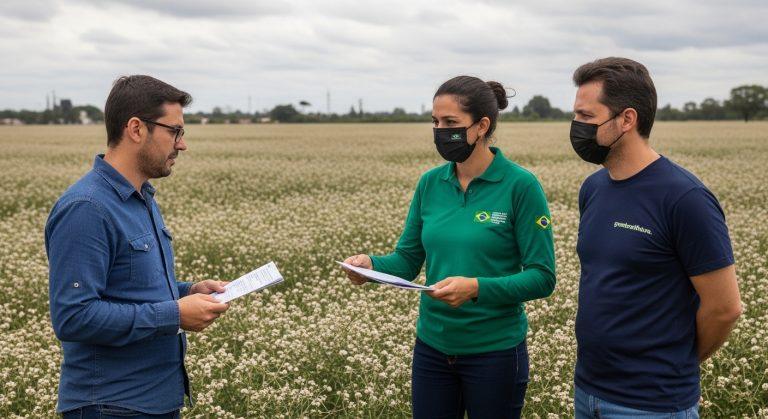
From fisherfolk on the Xingu to riverine families in the cerrado, communities have developed intricate knowledge of seasonal cycles, fish migrations, and flood pulses. Their practices—local monitoring, tacit rules around sacred stretches, and collective maintenance of small-scale irrigation—offer practical tools for resilience. State-led initiatives often overlook these insights, but new governance models emphasize co-management, participatory planning, and payments for ecosystem services. When communities are partners rather than spectators, river health becomes a shared asset rather than a political slogan, shaping decisions that affect schooling, health, and long-term regional vitality.
Climate signals, floods, and adaptive planning
Climate variability in recent years has amplified flood and drought cycles across Brazil’s river basins. Heavier rainfall in some regions increases erosion and sedimentation, while longer dry spells stress ecosystems and rural livelihoods. Resilience hinges on adaptive planning, including land-use zoning that respects flood plains, restoration of riparian corridors, and diversified livelihoods less exposed to a single crop or sector. Investments in early warning systems, real-time water quality data, and cross-sector coordination can help communities anticipate changes and respond with speed rather than paralysis. In practice, this means linking meteorology, agriculture, and urban planning so a flood forecast informs infrastructure maintenance, school closures, and agricultural scheduling before crises unfold.
Rethinking governance: lessons from Brazil and beyond
Brazil’s experience points to the need for integrated river basin governance that pairs science with citizen oversight. Successful models from other regions show how transparent allocation frameworks, independent monitoring bodies, and mechanisms for civil society input produce more resilient outcomes. The goal is to shift from top-down decisions mediated by sectoral ministries to a shared platform where agriculture, energy, and conservation stakeholders negotiate trade-offs in good faith. Policy realism means acknowledging unknowns about climate futures, while action demands concrete steps—protecting critical habitats, financing restoration, and ensuring that vulnerable populations are shielded from abrupt policy shifts that undermine local adaptation. The broader lesson is clear: governance thrives where transparency, accountability, and practical incentives converge toward shared river health and community resilience.
Actionable Takeaways
- Strengthen participatory river governance by expanding multi-stakeholder platforms at the basin level, with clear public reporting and independent verification.
- Invest in integrated data systems that combine water quality, flow, land-use, and climate projections to inform decisions and early-warning networks for floods and droughts.
- Protect essential water rights while resisting privatization of core river resources; ensure equitable access for communities that depend on river systems for drinking water and livelihoods.
- Scale nature-based solutions along riparian zones—reforestation, wetlands restoration, and sustainable agroforestry—that reduce erosion and capture carbon while supporting livelihoods.
- Support diversified livelihoods and social protection for river communities to reduce vulnerability during policy transitions and climate shocks.
- Promote cross-border collaboration on transboundary basins, sharing best practices and pooling resources for shared risk management.
- Align infrastructure planning (hydropower, roads, mining) with river health criteria, including independent environmental impact assessments and post-project monitoring.
Source Context