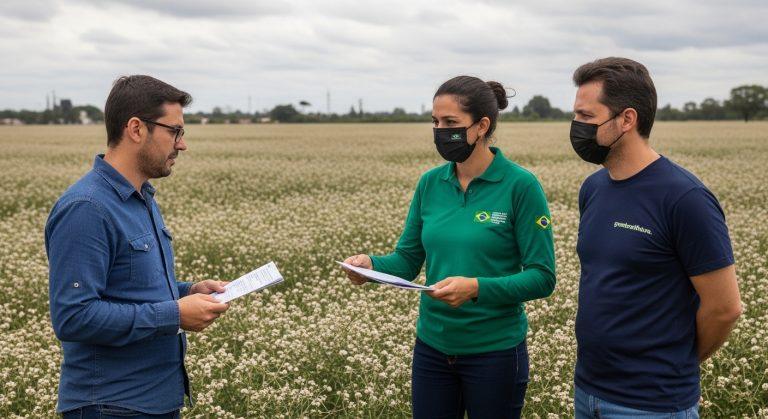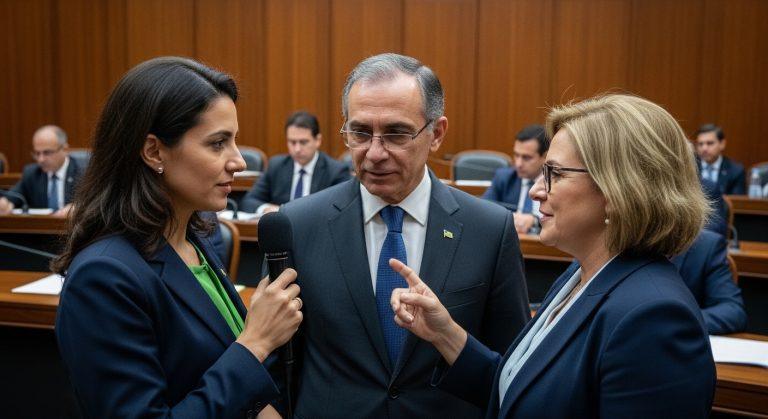
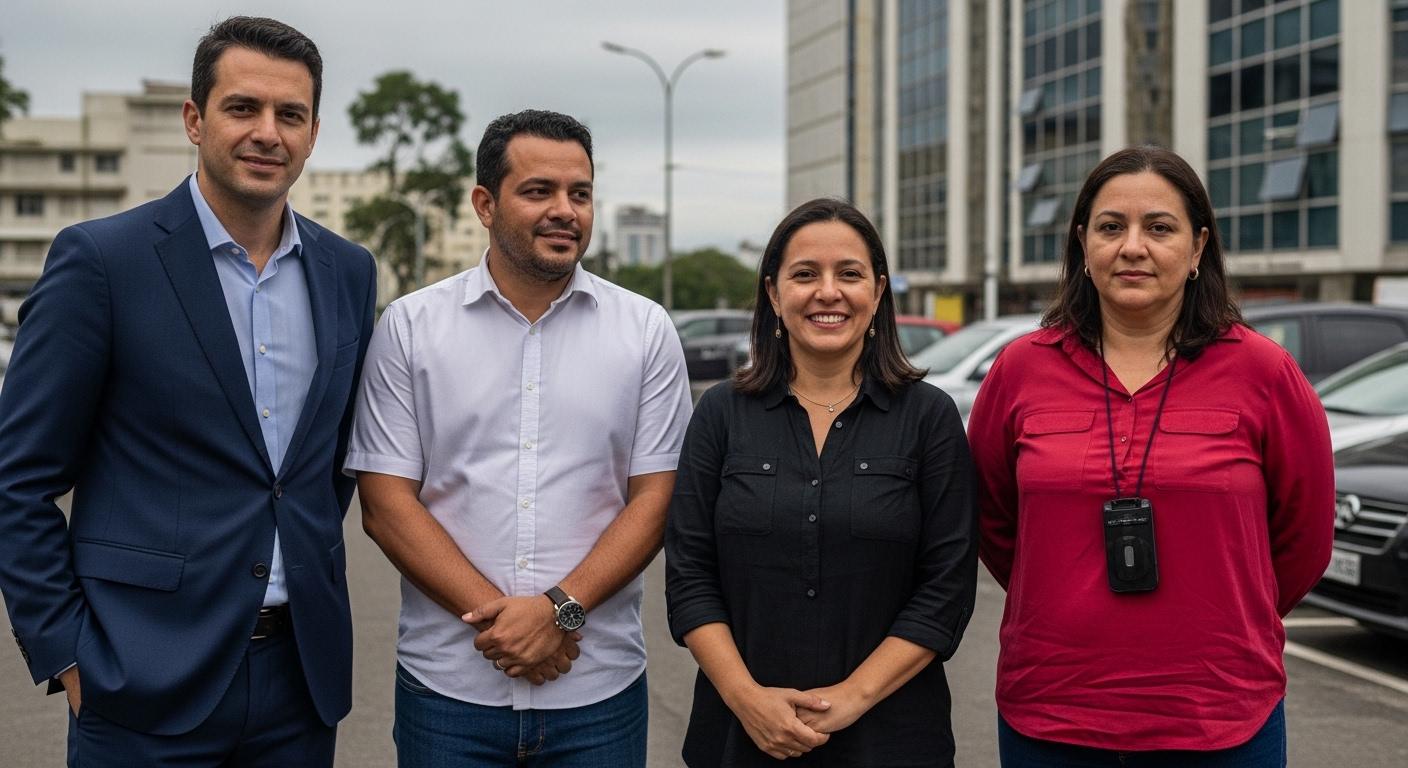
A riverine and urban-biodiversity landscape showing the Amazon river near a Brazilian city with sustainable energy image
Updated: April 9, 2026
For brazil Environment Brazil, policy decisions this year have connected Indigenous rights, river governance, and climate commitments in a way that matters for communities from the Amazon to the megacities. Policy shifts around water rights, forest safeguards, and urban resilience reveal how environmental priorities are negotiated against the pressures of growth and global markets. This analysis examines how governance choices, legal norms, and market signals shape environmental outcomes in the year ahead, offering a practical lens for policymakers, businesses, and civil society across Brazil.
Context: policy shifts and climate risk in Brazil
Brazil’s environmental policy landscape is shifting as the Lula administration tries to balance conservation with development. A controversial decree that would have allowed private management over three Amazonian rivers provoked Indigenous protests and drew international attention to how water resources are governed. After the demonstrations, authorities revoked the decree, signaling that environmental safeguards and community consent still matter in policy coding and implementation. But the episode also exposed the fragility of reform efforts when public legitimacy is uncertain and fiscal pressures rise. Observers note that the reversal creates space for more transparent licensing, but it also raises questions about how quickly policy tools can adapt to rapidly changing ecological realities, such as deforestation pressures and shifting rainfall patterns across the Amazon and Cerrado regions.
Amazon governance and Indigenous rights
The river-privatization episode underscored a broader debate about sovereignty, consent, and co-management of critical ecosystems. Indigenous communities have long argued that river basins cross numerous territories and support livelihoods, cultural practices, and fisheries that cannot be commodified without meaningful participation. Legal scholars point to constitutional safeguards and international norms that demand inclusive processes for resource projects. While revocation reduces the immediate policy clash, it also leaves unresolved questions about benefit-sharing, tariff structures, and the long-term governance architecture for shared water bodies. The case thus serves as a bellwether for how Brazil will reconcile Indigenous rights with evolving models of public-private stewardship, particularly in regions where biodiversity is tightly linked to community well-being and regional economies.
Decarbonizing Brazil’s service sector
In Bahia, Sesc and Senac are advancing a practical model of carbon-neutral expansion within Brazil’s vast service economy. By investing in energy efficiency, renewable power, sustainable procurement, and workforce training, the project aims to cut urban emissions while boosting green jobs. The approach demonstrates how non-extractive sectors can move ahead on climate goals without waiting for heavy industry to turn the corner, offering a template that other states could adapt with standardized metrics and shared incentives. Yet challenges remain, including access to capital for small operators, robust measurement across sprawling networks, and ensuring that decarbonization translates into tangible local benefits such as cleaner air and healthier neighborhoods. If scaled, the Bahia model could help shift the country’s urban footprint toward lower emissions while articulating a practical pathway for cross-sector climate action.
Floods, resilience, and adaptation
Recent flood events have tested Brazil’s capacity to translate climate science into concrete protection for communities. Losses highlight gaps in drainage infrastructure, land-use planning, and disaster-response coordination across federal, state, and municipal lines. Analysts argue that resilience cannot be an afterthought; it requires integrated investments—ranging from nature-based flood buffers and upstream watershed management to warning systems and resilient housing. These measures must be funded, prioritized, and monitored with transparent data that feed planning processes. The floods connect climate risk to development choices: deforestation, urban expansion into floodplains, and insufficient drainage amplify exposure, while coordinated adaptation can reduce vulnerability and speed recovery for affected populations.
Actionable Takeaways
- Strengthen Indigenous rights and transparent governance around water resources by codifying free, prior and informed consent into licensing processes.
- Scale up carbon-neutral initiatives in cities and service sectors through standardized metrics, incentives, and public procurement rules.
- Invest in resilient infrastructure and early warning systems, with a focus on urban flooding, watershed protection, and nature-based solutions.
- Promote multi-stakeholder governance models that join government, communities, and businesses in monitoring and adapting to climate risks.
- Align climate finance with measurable outcomes, ensuring that funding reaches small firms and community projects.
- Enhance data-sharing and open governance around environmental licensing to improve accountability.