rainfall Environment Brazil: Rainfall Trends and Brazil’s Climate St
Updated: April 9, 2026
brazil’s Environment Brazil stands at a crossroads where climate signals and development pressure intersect, demanding governance that translates science into practical resilience for communities and ecosystems alike. This deep-dive analyzes how policy choices, flood risk, and land-use dynamics shape outcomes across the country.
Policy Landscape and Climate Risk
Brazil’s climate and environmental policy framework has evolved to balance forest protection, rural livelihoods, and industrial growth. In recent years, the conversation has centered on strengthening forest stewardship, expanding protected areas, and improving the tracking of land-use change. The government has signaled a commitment to reducing deforestation and increasing the legitimacy of indigenous land rights, while also pursuing development pathways that rely on energy and agricultural sectors with lower emissions intensity. At the same time, climate risk is increasingly tied to rainfall intensity and hydrological shifts that stress river basins and urban drainage systems. The practical test for policy is translating ambitious targets into on-the-ground results—faster land-use zoning that accounts for floodplains, more effective river-basin management, and transparent, evidence-based enforcement across states. When these elements align, policy can curb exposure to disasters and protect ecosystems that anchor both biodiversity and the livelihoods that depend on them.
Looking ahead, three plausible paths shape Brazil’s environmental trajectory. In a resilience-led scenario, risk reduction, nature-based solutions, and integrated planning anchor investments in communities and ecosystems. A market-driven path expands environmental services markets and private finance for green infrastructure, paired with streamlined permitting safeguards to prevent backsliding on protections. A third, less favorable path risks gradual erosion of capacity and rising exposure to climate shocks if governance gaps widen. The optimal path blends strong public governance with catalytic private investment and community-led stewardship, ensuring that policy design translates into durable resilience and biodiversity gains rather than isolated pilots.
Communities on the Frontline
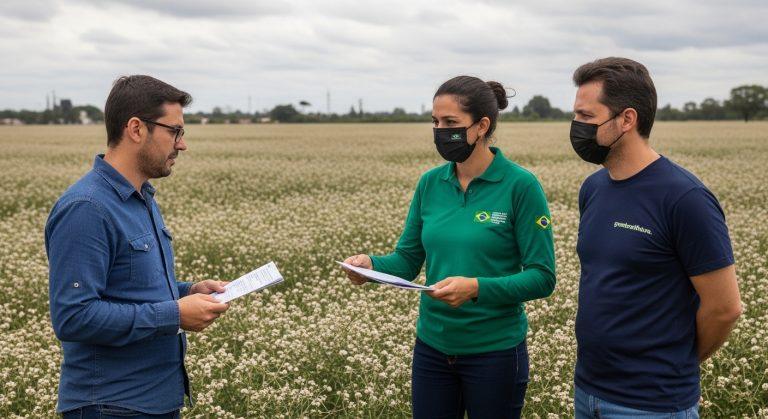
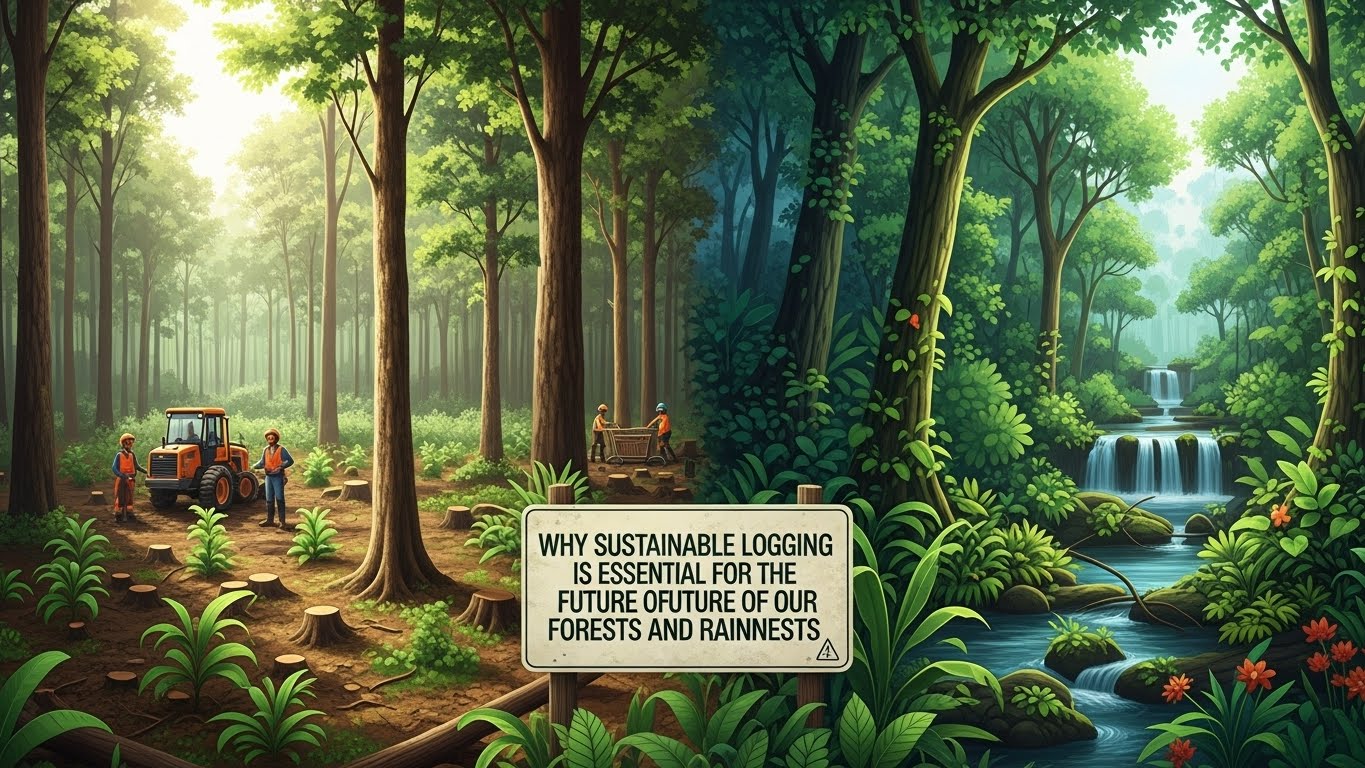
Floods and landslides disproportionately affect the most vulnerable populations—often in peri-urban zones alongside major rivers or in flood-prone rural belts. Housing quality, access to services, and social protection networks shape how communities endure and recover from extreme rainfall events. A practical resilience agenda recognizes that adaptation is not only technical; it is social and political. Early warning systems, clear evacuation routes, and community drills can dramatically shorten response times, but their effectiveness hinges on reliable infrastructure, multilingual communication, and trust between residents and authorities. In parallel, nature-based measures—such as riparian buffers, wetlands restoration, and permeable urban surfaces—offer co-benefits for biodiversity, water quality, and heat regulation. Integrating green infrastructure with affordable housing and accessible public services can reduce vulnerability while sustaining local economies that depend on healthy ecosystems.
Equally important is recognizing traditional knowledge and community leadership as central to planning. Indigenous and riverine communities often steward landscapes that buffer floods and maintain water cycles; their perspectives can inform zoning decisions, compensation mechanisms, and monitoring practices. The aggregate effect is a governance model that couples risk reduction with sustainable development, ensuring that adaptation supports livelihoods rather than displacing or marginalizing residents who have long relied on nearby ecosystems.
Financing and Implementation Gaps
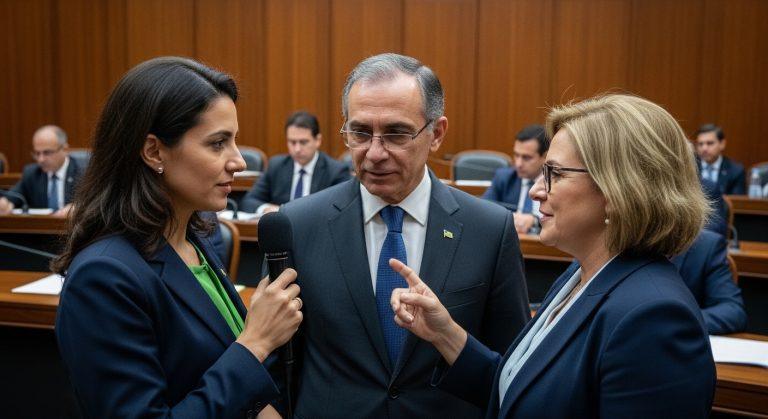
Financing adaptation and enforcement remains a core hurdle. While climate finance and blended funding have expanded the toolkit for large-scale projects, the challenge lies in channeling resources quickly, transparently, and to the communities most in need. Administrative bottlenecks, procurement delays, and capacity constraints at provincial and municipal levels can stall even well-conceived plans. Strengthening data systems—ranging from satellite monitoring of deforestation to hydrological sensors in flood-prone basins—helps managers allocate money where it is most effective and monitor progress with accountability. Moreover, aligning fiscal incentives with resilience goals is essential: subsidies, credits, and public procurement should reward practices that reduce risk, protect biodiversity, and improve water security. Without bridging these gaps, policy objectives risk remaining aspirational rather than transformative for Brazil’s Environment.
Public investment must be complemented by legitimate, credible governance. Transparent budgeting, open data portals, and independent monitoring create the trust needed to mobilize private capital for long-horizon projects such as large-scale flood control, river restoration, and urban green infrastructure. When implemented with local input, these investments can yield durable benefits—improved water supply reliability, reduced disaster losses, and enhanced ecosystem services—while supporting jobs and regional development.
Actionable Takeaways
- Strengthen early warning and land-use planning in flood-prone regions to reduce exposure and speed response times.
- Empower local governments and civil society with transparent funding mechanisms and data-sharing platforms.
- Scale nature-based solutions (green infrastructure, riparian buffers) that deliver co-benefits for biodiversity and water regulation.
- Align fiscal incentives with resilience goals, ensuring subsidies, credits, and procurements incentivize sustainable practices.
- Invest in data, monitoring, and interoperable systems to track deforestation, floods, and water quality across basins.
- Engage indigenous and community knowledge in planning to improve relevance and acceptance of adaptation measures.
Source Context
Contextual readings and source materials that informed this analysis: