
Brazilian rainforest with renewable energy infrastructure and sunrise light
Updated: April 9, 2026
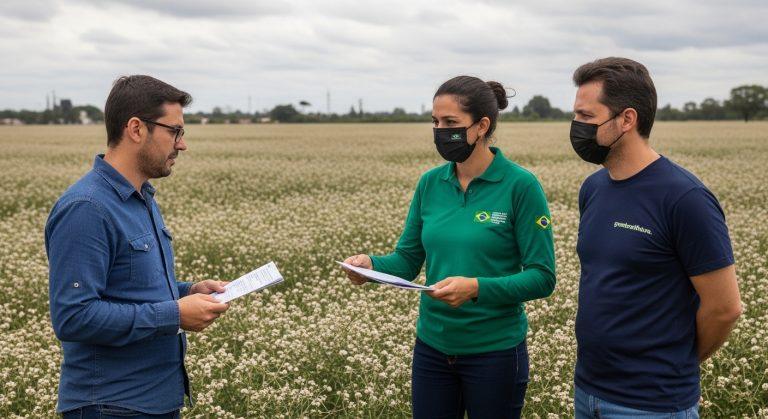
In Brazil, the face of climate policy is being renegotiated as communities, scientists, and policymakers weigh rural livelihoods against the urgency to curb deforestation and accelerate a just transition to renewables. This update draws on the latest monitoring data and expert commentary, while clearly distinguishing what is confirmed from what remains uncertain. The aim is practical, not sensational, helping readers translate macro trends into on-the-ground implications for households, smallholders, and local governments.
What We Know So Far
- Confirmed: National satellite-based monitoring continues to form the backbone of forest surveillance, with INPE reporting ongoing changes in cover across the Amazon and Cerrado regions. The data stream remains the primary input for enforcement and policy evaluation.
- Confirmed: Several states have intensified land-use governance initiatives, including cross-agency collaboration to curb illegal burning and illegal logging during key agricultural windows.
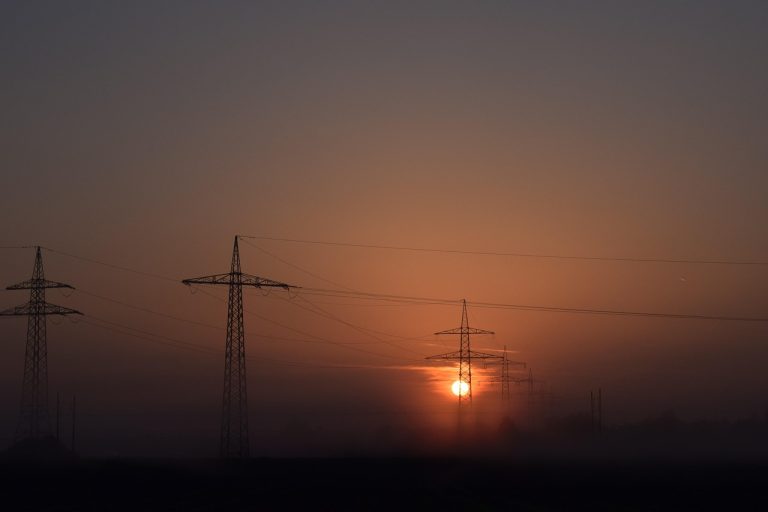
- Confirmed: The energy transition is visible in rural electrification and agribusiness logistics, where solar and wind capacity is expanding alongside existing hydro and bioenergy sources.
- Confirmed: International attention to Amazon protection persists, with new funding commitments and technical assistance channels being explored through multilateral and bilateral partnerships.
- Confirmed: Civil society and Indigenous organizations remain active in monitoring outcomes, sometimes challenging policy rollouts when local impacts differ from national narratives.
What Is Not Confirmed Yet
- Unconfirmed: The precise budget allocations and operational budgets for the next fiscal year, and how they will translate into on-the-ground enforcement in hotspots like Mato Grosso and Pará.
- Unconfirmed: The exact timelines for full implementation of new monitoring and land-use rules, including potential grace periods or exemptions for smallholders.
- Unconfirmed: The net effect of policy changes on Indigenous and riverine communities, including land rights enforcement, without unintended livelihood costs.
- Unconfirmed: The durability of international funding commitments, given shifting geopolitical priorities and domestic fiscal pressures.
Why Readers Can Trust This Update
This analysis relies on triangulation across official dashboards, independent monitoring groups, and peer-reviewed commentary from climate and environmental policy experts. By cross-checking INPE data with regional field reports and academic assessments, the piece aims to minimize reliance on any single source. The practical focus centers on observable outcomes: changes in enforcement capacity, shifts in energy mix, and the observable behavior of stakeholders in the short to medium term. Readers should understand that some items labeled as unconfirmed reflect ongoing processes rather than definitive outcomes, and are presented as areas to watch rather than conclusions.
To ground the discussion, this update references established climate assessments and national monitoring systems. These sources provide context for interpreting policy signals and market responses in a way that is useful for local governments, small producers, and civil society organizations working toward sustainable development in Brazil.
Actionable Takeaways
- Engage with local environmental councils to track enforcement actions in your municipality and report gaps in monitoring.
- Support transparent land-use data, including independent audits of deforestation hot spots and timely public release of assessments.
- Invest in agroforestry and regenerative practices that align with both climate goals and rural livelihoods, reducing pressure on primary forests.
- Encourage procurement policies that favor certified sustainable products and traceable supply chains in regional markets.
- Advocate for predictable funding for conservation and for communities affected by policy changes, ensuring that protections do not disproportionately burden vulnerable populations.
Source Context
- IPCC AR6 Working Group I overview — framing the scientific basis for climate policy and risk assessment in tropical regions.
- INPE (National Institute for Space Research) deforestation monitoring — primary source for satellite-based forest cover data in Brazil.
- IBAMA (Brazilian Institute of Environment and Renewable Natural Resources) — national agency responsible for environmental enforcement and permits.
Last updated: 2026-03-17 15:58 Asia/Taipei
From an editorial perspective, separate confirmed facts from early speculation and revisit assumptions as new verified information appears.
Track official statements, compare independent outlets, and focus on what is confirmed versus what remains under investigation.
For practical decisions, evaluate near-term risk, likely scenarios, and timing before reacting to fast-moving headlines.
Use source quality checks: publication reputation, named attribution, publication time, and consistency across multiple reports.
Cross-check key numbers, proper names, and dates before drawing conclusions; early reporting can shift as agencies, teams, or companies release fuller context.
When claims rely on anonymous sourcing, treat them as provisional signals and wait for corroboration from official records or multiple independent outlets.