Addressing Climate Change: How Energy Transition Contributes to a More Sustainable Future
Climate change is one of the most pressing challenges of our time, demanding immediate and sustained action across all sectors of society. Among the most critical strategies for combating this global threat is the energy transition from fossil fuels to cleaner, renewable energy sources. This transition not only aims to reduce greenhouse gas emissions but also seeks to create a more sustainable and resilient global energy system. In this comprehensive exploration, we’ll delve into the multifaceted ways energy transition contributes to a sustainable future, examining the benefits, challenges, and key areas of focus.
The Urgency of Climate Change and the Role of Energy
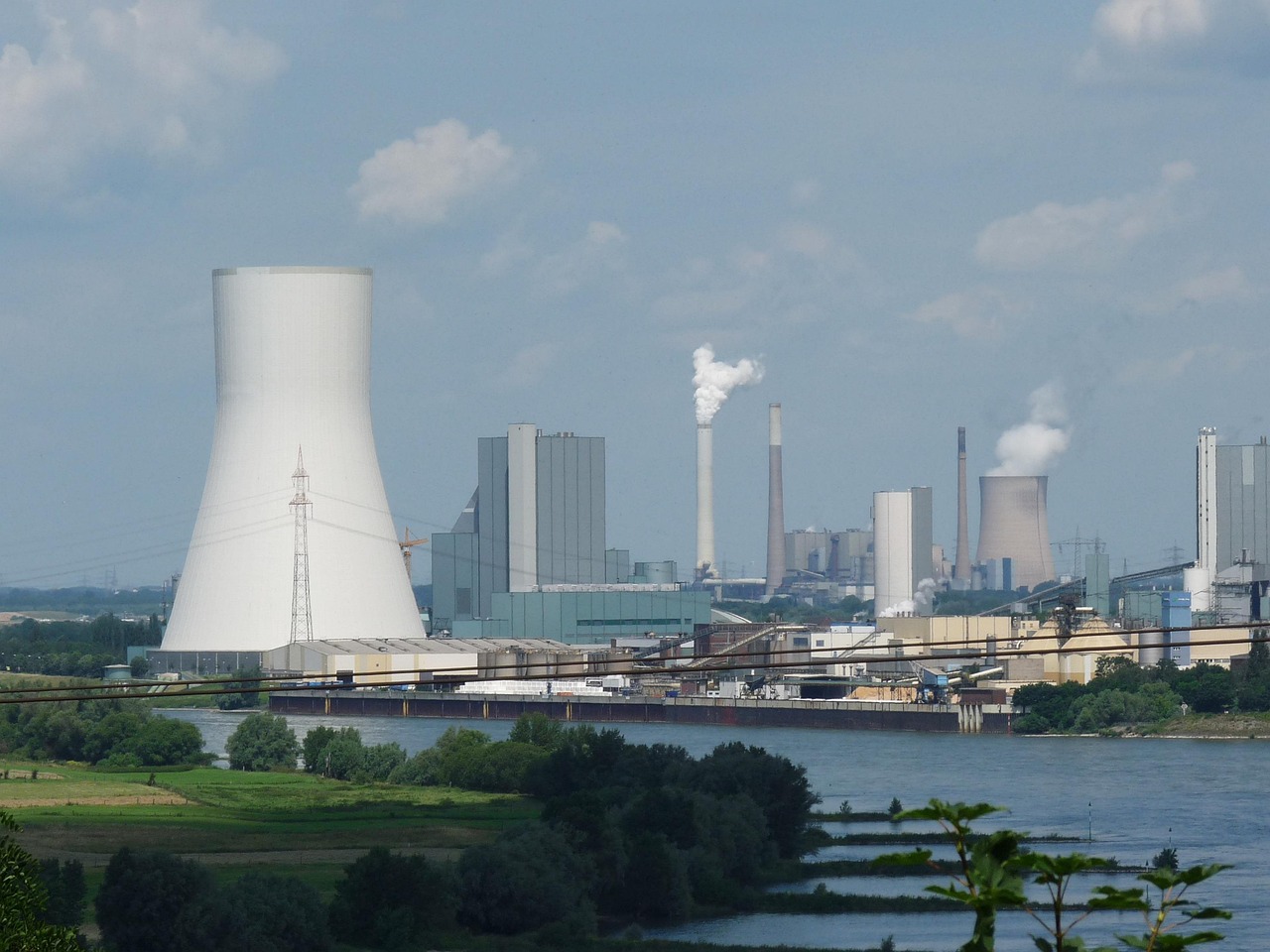
Climate change is driven largely by the accumulation of greenhouse gases in the atmosphere, primarily from the burning of fossil fuels for energy. According to the Intergovernmental Panel on Climate Change (IPCC), energy production contributes to nearly three-quarters of global greenhouse gas emissions. This stark statistic highlights the critical role energy transition plays in addressing climate change.
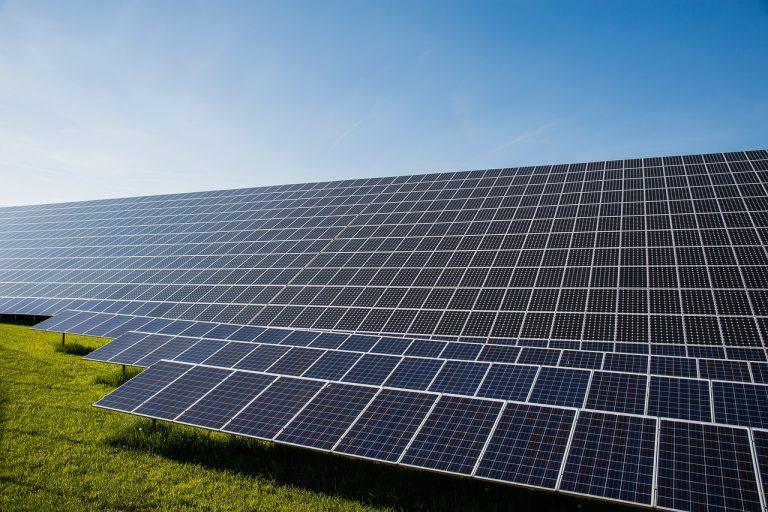
By transitioning to renewable energy sources such as wind, solar, and hydroelectric power, we can significantly reduce our carbon footprint. These sources produce little to no emissions, offering a cleaner alternative to coal, oil, and natural gas. Moreover, energy efficiency measures can further reduce energy demand, complementing the shift towards renewables.
Key Components of Energy Transition
1. Renewable Energy Adoption
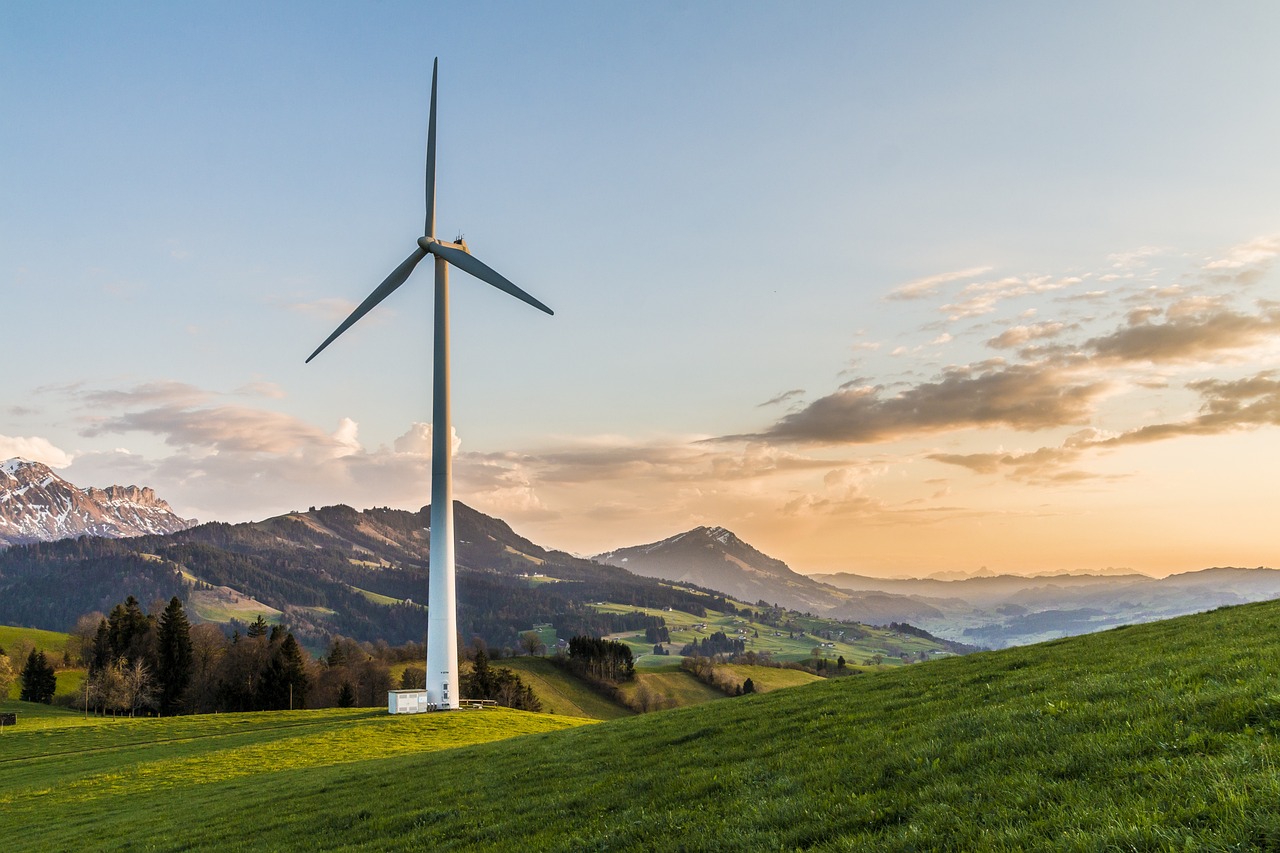
The cornerstone of energy transition is the widespread adoption of renewable energy. Technologies like solar panels, wind turbines, and hydroelectric dams harness natural processes to generate electricity without emitting carbon dioxide. As these technologies continue to advance, their efficiency and cost-effectiveness improve, making them increasingly viable alternatives to conventional energy sources.
Countries around the world are setting ambitious targets for renewable energy. For instance, the International Energy Agency (IEA) reports that many nations aim to achieve significant percentages of their energy from renewables by 2030 and beyond. This shift not only reduces emissions but also enhances energy security and independence.
2. Energy Efficiency
Energy efficiency is another critical component of the energy transition. By optimizing energy use across various sectors, we can significantly reduce overall energy demand. This involves upgrading infrastructure, utilizing energy-efficient appliances, and implementing smart grid technologies that facilitate better energy management.
For example, buildings account for a substantial portion of energy consumption. Retrofitting existing structures with better insulation, efficient lighting, and advanced heating and cooling systems can drastically cut energy use. Similarly, industries can adopt energy-efficient processes to minimize waste and enhance productivity.
3. Electrification of Transport and Industry
The electrification of transport and industry is a vital step in reducing fossil fuel dependency. Electric vehicles (EVs) are becoming more prevalent, offering a cleaner alternative to traditional gasoline and diesel engines. As Transport & Environment highlights, EVs produce fewer emissions over their lifetime compared to internal combustion engines, especially when powered by renewable energy.
In the industrial sector, electrification can replace fossil-fuel-based processes with electric alternatives. For instance, electric arc furnaces in steel production and electric heat pumps for industrial heating can reduce emissions and improve efficiency.
Challenges in the Energy Transition
While the benefits of energy transition are clear, several challenges must be addressed to achieve a sustainable future. These include technological, economic, and social hurdles that require coordinated efforts from governments, businesses, and communities.
1. Technological Challenges
Developing and deploying the necessary technologies for energy transition is a complex process. While renewable energy technologies have made significant strides, issues such as energy storage and grid integration remain. Energy storage solutions like batteries must be advanced to address the intermittent nature of wind and solar power, ensuring a reliable energy supply.
2. Economic Considerations

The transition to renewable energy entails significant upfront investments. While the costs of renewables have decreased over the years, financing large-scale projects and upgrading infrastructure requires substantial capital. Governments can play a pivotal role by providing incentives, subsidies, and policy frameworks that encourage investment in clean energy.
Moreover, the transition may impact jobs in fossil fuel industries. It is crucial to implement just transition strategies that support workers in these sectors, offering retraining and employment opportunities in emerging green industries.
3. Social Acceptance and Policy Support
Public support and policy alignment are essential for a successful energy transition. Engaging communities in the planning and implementation process helps build trust and acceptance. Transparent communication about the benefits and challenges of renewable energy projects can alleviate concerns and foster cooperation.
Policy frameworks must also evolve to support the transition. This includes setting ambitious emissions targets, implementing carbon pricing mechanisms, and establishing standards for energy efficiency and renewable adoption.
The Path Forward: A Sustainable Energy Future
Addressing climate change through energy transition is a complex yet indispensable endeavor. By embracing renewable energy, enhancing energy efficiency, and electrifying key sectors, we can drastically reduce emissions and build a more sustainable future.
International cooperation and collaboration are paramount to overcoming the challenges of energy transition. Organizations like the United Nations emphasize the importance of global partnerships in achieving sustainable development goals. Sharing best practices, technologies, and knowledge can accelerate progress and ensure no nation is left behind in the transition.
Ultimately, the energy transition is not just an environmental imperative but an opportunity to create a more equitable and resilient world. By investing in clean energy, fostering innovation, and prioritizing sustainability, we can pave the way for a future where both people and the planet thrive.
Takeaways

The energy transition is a pivotal element in the global fight against climate change. Its success hinges on our collective ability to adopt renewable energy, improve efficiency, and electrify our economies. While challenges exist, the potential rewards—reduced emissions, energy security, and economic growth—are immense. By pursuing a sustainable energy future, we can address the climate crisis and safeguard the planet for generations to come.
Innovative Technologies Driving Energy Transition
As we look towards a sustainable future, innovative technologies play a crucial role in accelerating the energy transition. Emerging solutions are reshaping how we produce, store, and consume energy, paving the way for a more efficient and resilient energy system.
1. Advanced Battery Storage
One of the significant challenges in renewable energy adoption is the intermittent nature of sources like solar and wind. Advanced battery storage technologies are addressing this issue by allowing excess energy to be stored for use during periods of low production. Lithium-ion batteries, flow batteries, and solid-state batteries are among the technologies being developed to provide scalable and cost-effective energy storage solutions.
These advancements not only enhance grid stability but also enable the integration of more renewable energy into the power system. As battery technology continues to evolve, we can expect greater reliability and efficiency in renewable energy deployment.
2. Smart Grids
Smart grid technology represents a transformative approach to electricity distribution and management. By incorporating digital communication and automation, smart grids enhance the efficiency and reliability of electricity supply. They enable real-time monitoring and control of energy flow, optimizing the balance between supply and demand.
Furthermore, smart grids facilitate the integration of distributed energy resources, such as rooftop solar panels and electric vehicles, into the main grid. This decentralization promotes a more resilient and adaptable energy infrastructure, capable of meeting the demands of an increasingly electrified world.
3. Hydrogen as a Clean Fuel
Hydrogen is emerging as a promising clean energy carrier, offering a versatile solution for sectors that are hard to decarbonize, such as heavy industry and long-haul transportation. Green hydrogen, produced through electrolysis powered by renewable energy, is a key focus in efforts to reduce carbon emissions.

Countries like Japan and Germany are investing heavily in hydrogen infrastructure, recognizing its potential to diversify energy resources and enhance energy security. As hydrogen technology advances, its role in the global energy mix is expected to grow, contributing to a cleaner and more sustainable energy future.
Policy and Governance in Energy Transition
Effective policy and governance are essential for steering the energy transition towards sustainability. Governments and international bodies must establish clear regulatory frameworks and provide incentives that encourage investment in clean energy technologies.
1. Setting Carbon Reduction Targets
Establishing ambitious carbon reduction targets is a vital step in guiding the energy transition. These targets signal a commitment to reducing emissions and provide a benchmark for measuring progress. Countries are increasingly adopting net-zero targets, aiming to balance the amount of emitted greenhouse gases with equivalent reductions or offsets.
Such targets drive innovation and investment, encouraging industries to adopt cleaner technologies and practices. Policies that support these goals, such as carbon pricing and emissions trading systems, can further accelerate the transition.
2. Incentivizing Renewable Energy Projects
Governments play a crucial role in facilitating renewable energy projects through financial incentives and supportive policies. Tax credits, grants, and subsidies can reduce the financial burden on developers, making it more attractive to invest in clean energy infrastructure.
Additionally, streamlined permitting processes and favorable regulatory environments can expedite project approvals and encourage private sector participation. By creating a conducive environment for renewable energy investment, governments can drive significant progress in the energy transition.
3. International Collaboration and Agreements
Global collaboration is essential for addressing the transnational nature of climate change. International agreements such as the Paris Agreement provide a framework for countries to collectively tackle emissions and promote sustainable development.

Through joint initiatives and knowledge sharing, countries can leverage collective expertise and resources to overcome common challenges. Collaborative efforts in research and development, technology transfer, and capacity building can accelerate the global energy transition and ensure a more equitable distribution of its benefits.
The Role of Individuals and Communities
While policy and technology are crucial, the role of individuals and communities in the energy transition cannot be understated. Grassroots movements and local initiatives play a significant part in driving change from the bottom up.
1. Community Energy Projects
Community energy projects empower local groups to produce and manage their own energy, often through renewable sources like solar or wind. These initiatives not only reduce carbon footprints but also enhance community resilience and energy independence.
By participating in community energy schemes, individuals can take an active role in the energy transition, directly benefiting from cleaner energy and cost savings. Such projects also foster a sense of ownership and engagement, promoting broader support for sustainable practices.
2. Energy Conservation and Lifestyle Changes
On an individual level, adopting energy-efficient practices and lifestyle changes can have a substantial impact on reducing energy demand. Simple actions such as using public transportation, reducing waste, and conserving water contribute to a more sustainable lifestyle.
Education and awareness campaigns can play a pivotal role in encouraging these behaviors, highlighting the collective impact of small changes. As more people embrace sustainable habits, the cumulative effect can drive significant reductions in emissions and energy consumption.
A Collective Commitment to a Sustainable Future
The energy transition is a shared responsibility that requires concerted efforts across all sectors of society. As we move towards a cleaner and more sustainable energy future, collaboration and innovation will be the keys to success. By embracing renewable energy, advancing technology, implementing supportive policies, and engaging communities, we can address the challenges of climate change and build a resilient energy system that benefits everyone.
In conclusion, the energy transition offers an unprecedented opportunity to redefine our relationship with energy and the environment. Through collective action and commitment, we can create a future where energy is not only a driver of economic prosperity but also a cornerstone of environmental stewardship and social equity. Let us seize this opportunity to pave the way for a world that prioritizes sustainability, resilience, and the well-being of future generations.
About the Author