Understanding the Crucial Role of Forests and Rainforests
Forests and rainforests are vital ecosystems that play a crucial role in sustaining the planet’s health. They are not only home to an incredible diversity of flora and fauna but also significantly impact the lives of local communities and indigenous cultures. In this blog post, we will explore how forests and rainforests contribute to the livelihoods of these communities, their cultural significance, and the challenges they face in preserving these natural treasures.
The Ecosystem Services Provided by Forests and Rainforests
Forests and rainforests offer a myriad of ecosystem services that are indispensable to both local and global environments. These services include carbon sequestration, which helps mitigate climate change by absorbing carbon dioxide from the atmosphere. Additionally, they maintain water cycles, prevent soil erosion, and support biodiversity, providing habitat for countless species of plants and animals.
For local communities, these ecosystem services translate into tangible benefits. Forests regulate water supply, ensuring fresh water for drinking and agriculture. They also provide materials for shelter and fuel, which are essential for daily living. The economic value of forests extends to tourism and recreation, generating income and employment opportunities for residents.
The Cultural Significance of Forests to Indigenous Peoples
Indigenous cultures have a profound connection to forests and rainforests, which are often integral to their spiritual beliefs, traditional knowledge, and cultural practices. These communities have lived in harmony with their natural environment for generations, developing sustainable practices that conserve biodiversity and maintain ecological balance.
For example, the Cultural Survival organization highlights how indigenous peoples often hold sacred ceremonies within forests, recognizing them as living entities with spiritual importance. These rituals and traditions underscore the forests’ role in cultural identity and continuity.
Moreover, traditional knowledge passed down through generations provides valuable insights into sustainable forest management. Indigenous practices such as rotational farming, agroforestry, and controlled burns contribute to forest health and resilience, demonstrating a deep understanding of ecological dynamics.

Challenges Faced by Forest-Dependent Communities
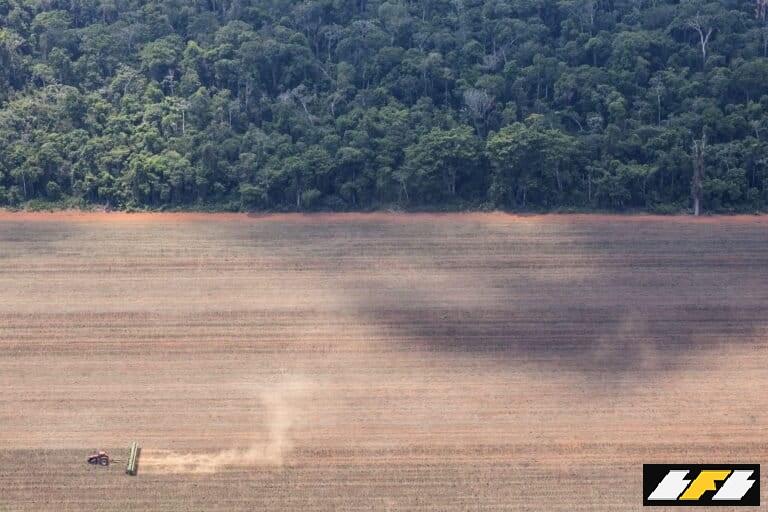
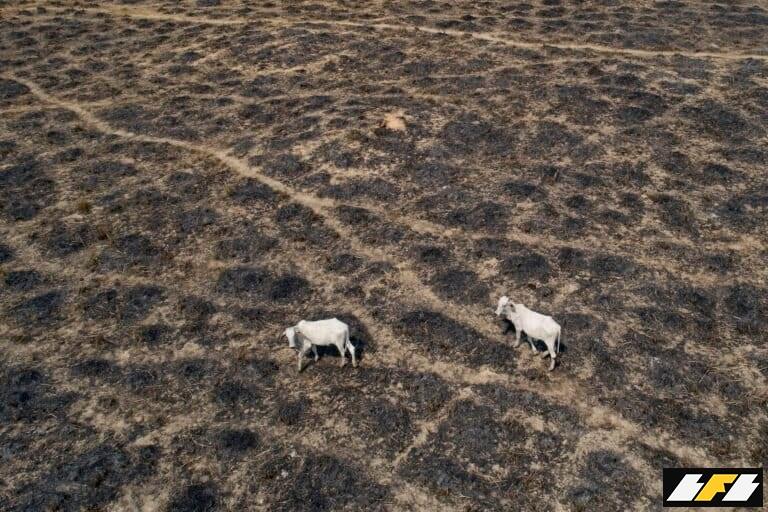
Despite their importance, forests and rainforests face numerous threats that jeopardize the livelihoods and cultures of local communities. Deforestation driven by logging, agriculture, and infrastructure development leads to habitat loss, biodiversity decline, and disruption of ecosystem services.
In many regions, indigenous peoples are at the forefront of defending forests against these threats. However, they often encounter challenges such as land rights issues, lack of political representation, and cultural assimilation pressures. These challenges make it difficult for indigenous communities to protect their lands and maintain their way of life.
Initiatives and Solutions for Forest Conservation
Recognizing the critical role forests play, numerous initiatives and solutions have been developed to promote conservation and support local communities. Community-based forest management (CBFM) empowers local residents to manage forest resources sustainably, fostering a sense of ownership and responsibility.
Another promising approach is the establishment of protected areas and conservation corridors, which aim to preserve biodiversity and ecosystem functions while respecting the rights and needs of indigenous peoples. International efforts such as REDD+ (Reducing Emissions from Deforestation and Forest Degradation) provide financial incentives to countries and communities for reducing emissions through forest conservation.
Organizations like the Rainforest Alliance are actively involved in promoting sustainable forestry practices, certification, and market-based solutions that benefit both the environment and local economies.
The Importance of Global Awareness and Support
Global awareness and support are crucial for the successful conservation of forests and rainforests. Education and advocacy play important roles in raising awareness about the ecological and cultural significance of these ecosystems. By supporting sustainable products and practices, consumers can contribute to forest preservation efforts.
Furthermore, international cooperation and policy development are essential to address the transboundary nature of environmental challenges. Multilateral agreements and collaborations can strengthen conservation efforts, promote sustainable land use, and protect the rights of indigenous communities.
Conclusion: A Call to Preserve Our Forest Heritage
Forests and rainforests are invaluable to the health of our planet, the well-being of local communities, and the preservation of indigenous cultures. Their ecosystem services, cultural significance, and economic contributions are irreplaceable. However, they face unprecedented threats that require immediate action and collective resolve.
By understanding the intrinsic connection between forests and the communities that depend on them, we can advocate for policies and practices that ensure their protection. As stewards of the Earth, it is our responsibility to support efforts that safeguard these vital ecosystems for future generations.
To learn more about how you can contribute to forest conservation, visit organizations like the World Wildlife Fund and become part of the global movement to preserve our planet’s precious natural heritage.
Empowering Indigenous Voices in Forest Conservation
Empowering indigenous voices is crucial in forest conservation efforts. Indigenous communities possess a wealth of traditional ecological knowledge that can offer innovative solutions to contemporary environmental challenges. By integrating this knowledge with scientific research, conservation strategies can become more effective and culturally sensitive.
Collaborative projects that involve indigenous communities in decision-making processes are essential. These projects promote respect for traditional practices and ensure that conservation measures align with local customs and needs. For instance, the creation of Indigenous Protected Areas (IPAs) has proven successful in Australia, where indigenous governance and cultural values guide conservation management.
Moreover, international platforms like the United Nations Permanent Forum on Indigenous Issues provide indigenous peoples with opportunities to share their experiences and influence global policy. Such representation is vital for advocating rights and securing the resources needed to protect their ancestral lands.
Innovative Approaches to Sustainable Forest Management
Sustainable forest management is evolving with the integration of technology and traditional knowledge. Innovations such as satellite monitoring, remote sensing, and drone technology are enhancing the ability to track deforestation, monitor biodiversity, and manage resources efficiently.
These technologies provide real-time data that can be used to make informed decisions, minimize illegal logging, and protect endangered species. When combined with the insights of the local population, they create a robust framework for managing forest resources sustainably.
Additionally, the development of eco-friendly products and sustainable supply chains is gaining momentum. Certification systems like the Forest Stewardship Council (FSC) encourage responsible production and consumption patterns, benefiting both the environment and local communities.
Challenges and Opportunities in the Era of Climate Change
Climate change poses significant challenges to forests and the communities that depend on them. Rising temperatures, changing precipitation patterns, and increased frequency of extreme weather events threaten forest health and resilience. These impacts can exacerbate existing socio-economic vulnerabilities, making it harder for communities to adapt.
However, forests also present opportunities to combat climate change. As major carbon sinks, they play a critical role in sequestration efforts. Protecting and restoring forests can help mitigate climate impacts while providing co-benefits such as enhanced biodiversity and improved livelihoods.
Engaging communities in reforestation and afforestation projects, as well as promoting agroforestry, can enhance carbon storage and ecosystem services. This approach not only contributes to climate goals but also empowers communities through job creation and sustainable development.
Conclusion: Building a Sustainable Future Together
The future of our forests and rainforests depends on the collective actions of individuals, communities, governments, and organizations. By valuing the contributions of indigenous cultures and fostering inclusive conservation strategies, we can safeguard these ecosystems for future generations.
It is essential to continue advocating for policies that recognize the rights of indigenous peoples and support sustainable forest management. By investing in education, research, and technology, we can develop innovative solutions that balance environmental conservation with socio-economic development.
Ultimately, every action counts. Whether through supporting conservation initiatives, choosing sustainable products, or raising awareness, each of us has a role to play in preserving the planet’s rich natural heritage. Together, we can ensure that forests and rainforests continue to thrive, sustaining the diverse life forms they shelter and the cultures they inspire.
To stay informed and get involved, consider reaching out to organizations like the Greenpeace International and become a part of global efforts to protect our forests and rainforests.
Engaging Youth in Forest Conservation
Engaging the younger generation in forest conservation is pivotal for ensuring long-term sustainability. Youth bring fresh perspectives, innovative ideas, and a sense of urgency to environmental challenges. Educational programs and initiatives aimed at young people can cultivate a strong environmental ethic and inspire future leaders in conservation.
Programs like the Junior Ranger Program and school-based environmental clubs empower youth by providing hands-on experiences in nature. These initiatives help young people understand the importance of ecosystems and encourage them to actively participate in conservation efforts.
Furthermore, digital platforms and social media campaigns are powerful tools for reaching and mobilizing youth. By leveraging these channels, organizations can raise awareness about forest issues and foster a global community of young environmental advocates dedicated to protecting our natural heritage.
The Role of Policy and Legislation in Forest Protection
Effective policy and legislation are critical components of forest protection. Governments play a key role in establishing legal frameworks that promote sustainable forest management and safeguard the rights of indigenous peoples. Strong legal protections can help combat illegal logging, land grabbing, and other threats to forest ecosystems.
International agreements, such as the Paris Agreement and the Convention on Biological Diversity, set targets for forest conservation and provide guidelines for implementation. These agreements encourage countries to incorporate forest preservation into their national climate and biodiversity strategies.
At the national level, policies that incentivize sustainable land use and provide economic support for conservation initiatives can drive positive change. By aligning economic development goals with environmental protection, policymakers can create a balanced approach that sustains both people and the planet.
Community-Led Conservation Success Stories
Community-led conservation efforts have demonstrated remarkable success in protecting forests and empowering local populations. These grassroots initiatives showcase the resilience and resourcefulness of communities that rely on forests for their livelihoods and cultural identity.
One inspiring example is the Chico Mendes Extractive Reserve in Brazil, where rubber tappers and indigenous communities have joined forces to protect the Amazon rainforest from deforestation. This collaborative approach has not only preserved vast areas of tropical forest but also improved the socio-economic conditions of local residents.
Similarly, the Khasi community in India has successfully implemented a community-managed forest conservation model that balances ecological conservation with economic development. Their innovative approach to managing sacred groves and promoting eco-tourism has enhanced biodiversity while sustaining community well-being.
Innovative Financing for Forest Conservation
Innovative financing mechanisms are essential to support forest conservation efforts. Traditional funding sources alone are often insufficient to address the scale of conservation challenges, making it necessary to explore new avenues for investment.
Mechanisms such as green bonds, payment for ecosystem services (PES), and carbon credits offer opportunities to channel funds into forest preservation projects. These financial instruments incentivize sustainable practices and provide economic value to conserving forests.
Additionally, public-private partnerships can leverage resources and expertise from various sectors to implement large-scale conservation initiatives. By fostering collaboration between governments, businesses, and NGOs, these partnerships can drive impactful change and create sustainable solutions for forest conservation.
Final Thoughts: A Collective Commitment to Forests
As we conclude this exploration of forests and rainforests, it is clear that these ecosystems are indispensable to our planet’s health and cultural heritage. Protecting them requires a collective commitment from all sectors of society, recognizing that forests are not just resources to be exploited but living landscapes to be cherished and preserved.
By embracing a holistic approach that integrates ecological, cultural, and economic perspectives, we can foster a future where forests thrive and communities flourish. Let us continue to support and amplify the voices of those who have long been stewards of these vital ecosystems, ensuring that their wisdom and practices guide our conservation efforts.
The journey to sustainable forest management is ongoing, and every step forward brings us closer to a healthier and more equitable world. Together, we can build a future where forests and rainforests remain vibrant and resilient, nurturing the intricate web of life they sustain.
About the Author