Introduction
Forests and rainforests are vital ecosystems that play a crucial role in maintaining the ecological balance of our planet. Beyond their environmental importance, these lush expanses of greenery deeply impact local communities and indigenous cultures. From providing essential resources and sustaining livelihoods to shaping cultural identities and spiritual beliefs, the influence of forests and rainforests is profound and multifaceted. This blog post explores the diverse ways in which these natural wonders impact local and indigenous populations, emphasizing their indispensable role in both ecological and cultural contexts.
Forests: A Lifeline for Local Communities
Forests provide a myriad of resources that are essential for the survival and prosperity of local communities. These resources range from food, medicine, and raw materials to water regulation and soil fertility. For many rural populations, forests are an integral part of daily life and economic activity.
Resource Provision
Local communities often rely on forests for their daily sustenance. Edible plants, fruits, nuts, and game animals found within forest ecosystems provide vital nutrition. Additionally, forests supply materials such as timber, bamboo, and rattan, which are used for building homes and crafting tools and furniture. The Food and Agriculture Organization reports that forests contribute to the livelihoods of over a billion people globally, emphasizing their critical role in food security and economic stability.
Medicinal Resources
Forests are a treasure trove of medicinal plants and herbs, many of which are used in traditional medicine. Indigenous knowledge of forest plants’ healing properties is passed down through generations, forming the backbone of healthcare for many communities. The World Health Organization highlights that traditional medicine, much of which is plant-based, is the primary healthcare source for millions worldwide.
Economic Opportunities

Beyond subsistence, forests offer economic opportunities through activities such as ecotourism, sustainable logging, and the harvest of non-timber forest products like honey and resins. These activities generate income and employment, promoting economic growth in rural areas. Sustainable forest management practices ensure that these resources remain available for future generations while minimizing environmental impact.
Rainforests: Guardians of Indigenous Cultures
Rainforests, often referred to as the “lungs of the Earth,” are rich in biodiversity and cultural significance. They are home to countless indigenous communities whose cultures and identities are intricately linked to the rainforest environment.
Cultural Significance
For many indigenous groups, rainforests are sacred spaces imbued with spiritual significance. They are seen as living entities that possess unique spirits and energies. This worldview fosters a deep respect for nature and emphasizes the interconnectedness of all life forms. The United Nations recognizes the vital role indigenous peoples play in preserving biodiversity and maintaining ecological harmony through their traditional knowledge and practices.
Traditional Knowledge and Practices
Indigenous cultures possess extensive knowledge of rainforest ecosystems, including plant and animal species, weather patterns, and ecological processes. This knowledge is reflected in sustainable land-use practices such as shifting cultivation and agroforestry, which balance resource use with conservation. By maintaining biodiversity and ecosystem health, these practices contribute to the resilience of both the rainforest and the communities that depend on it.
Challenges and Threats
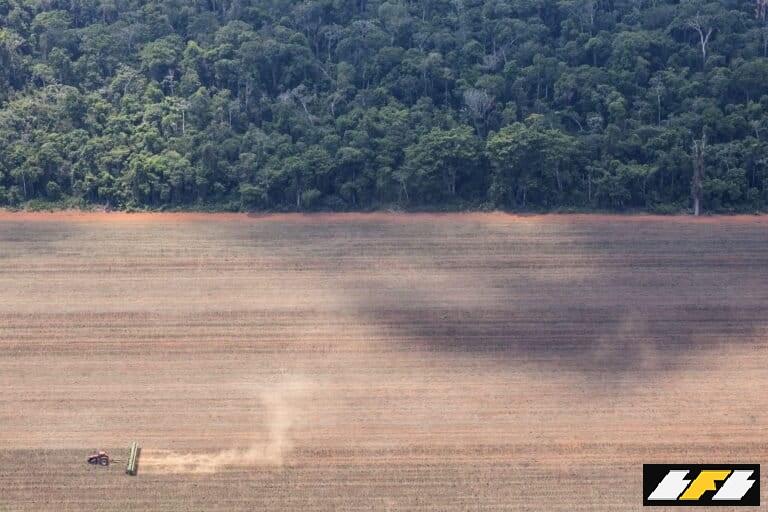
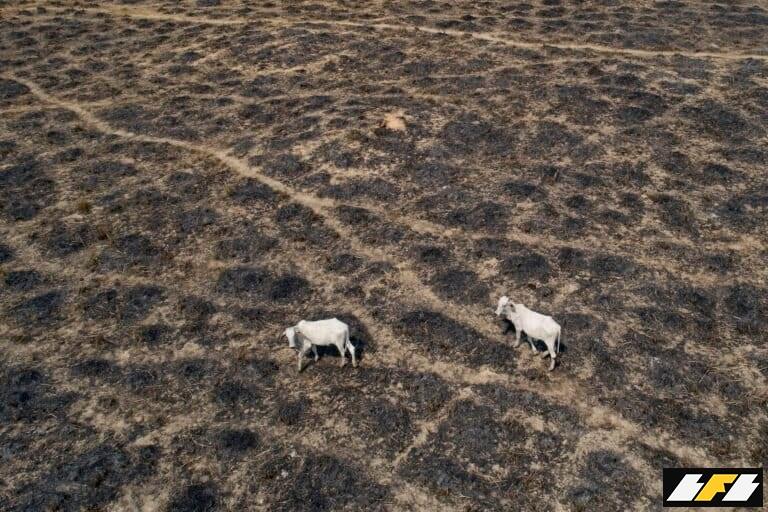
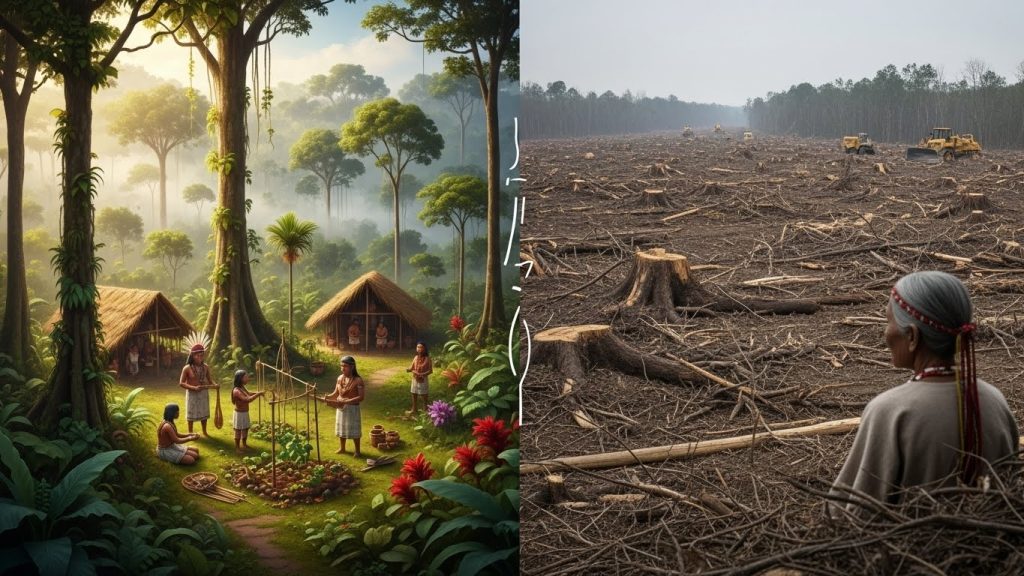
Despite their importance, rainforests and the indigenous cultures that inhabit them face numerous threats. Deforestation, driven by logging, agriculture, and mining, leads to habitat loss and cultural disruption. Additionally, climate change and land-grabbing pose significant challenges to the survival of these communities. Organizations like the Rainforest Alliance are actively working to combat these threats by promoting sustainable land-use practices and advocating for indigenous rights and environmental protections.
The Synergy of Forests, Rainforests, and Indigenous Cultures
The relationship between forests, rainforests, and indigenous cultures is one of mutual dependence and symbiosis. Indigenous knowledge and practices contribute to forest conservation, while forests provide the resources and spiritual foundation for cultural identity and survival.
Conservation Efforts
Efforts to conserve forests and rainforests are increasingly recognizing the importance of integrating indigenous perspectives and knowledge. Collaborative projects between indigenous communities, governments, and conservation organizations are proving effective in preserving these vital ecosystems. The Conservation International has highlighted that empowering indigenous peoples as stewards of their lands leads to more successful conservation outcomes and highlights the importance of respecting indigenous rights.
Empowerment and Advocacy
Empowering indigenous communities to advocate for their rights and participate in decision-making processes is crucial for preserving both cultural heritage and environmental health. Indigenous-led initiatives, like the creation of protected areas and community-managed forests, demonstrate the effectiveness of local stewardship. These efforts help safeguard biodiversity, mitigate climate change, and promote sustainable development.
Takeaways
Forests and rainforests are indispensable to both local communities and indigenous cultures. They provide essential resources, economic opportunities, and cultural significance, all while maintaining ecological balance. As global awareness of environmental and cultural issues grows, it is vital to recognize and support the role of indigenous peoples as guardians of these precious ecosystems. By fostering collaboration and empowering indigenous voices, we can work towards a sustainable future that honors the interconnectedness of nature and culture.
The Role of Policy and Legislation
Policy and legislation play a pivotal role in protecting forests and rainforests while supporting the rights and traditions of indigenous communities. Effective policies can create a framework for sustainable management, conservation, and the empowerment of local populations.
International Agreements
Global agreements like the Convention on Biological Diversity and the Paris Agreement recognize the importance of forests in climate regulation and biodiversity conservation. These agreements encourage nations to implement strategies that protect forest ecosystems and involve indigenous communities in their conservation efforts.
National Legislation
Many countries have enacted laws to protect forests and recognize the land rights of indigenous peoples. For instance, Brazil’s Forest Code and the Indigenous Land Demarcation process aim to safeguard the Amazon rainforest and the communities residing within it. However, enforcement remains a challenge, and continuous advocacy is necessary to ensure these laws are upheld.
Community-Based Management
Community-based forest management models empower local populations to take an active role in the stewardship of their natural resources. These models often incorporate traditional ecological knowledge and practices, resulting in more effective conservation outcomes. By allowing communities to make decisions about land use and resource management, these initiatives foster a sense of ownership and responsibility, leading to better environmental and social results.
The Importance of Education and Awareness
Education and awareness are crucial tools in the fight to preserve forests and rainforests and protect indigenous cultures. By educating both local populations and the global community about the significance of these ecosystems, we can foster a greater appreciation and commitment to their conservation.
Environmental Education Programs
Environmental education initiatives aim to teach communities about the ecological and cultural value of forests and rainforests. These programs often focus on sustainable practices, biodiversity, and climate change, equipping individuals with the knowledge needed to protect their environments. By engaging youth and empowering future generations, these programs ensure that conservation efforts are sustained over time.
Raising Global Awareness
Raising awareness on a global scale is essential for garnering support and resources for forest and rainforest conservation. Campaigns, documentaries, and social media platforms can highlight the challenges faced by these ecosystems and the communities that rely on them. By sharing stories and successes, these efforts can inspire action and encourage international collaboration in conservation initiatives.
Conclusion: A Call to Action
Forests and rainforests are more than just ecological treasures; they are vital to the survival and cultural identity of millions of people worldwide. The intricate relationship between these ecosystems and indigenous cultures underscores the importance of preserving both the natural environment and the cultural heritage it supports.
As we confront the challenges of deforestation, climate change, and cultural erosion, it is imperative to adopt a holistic approach that includes policy reform, community empowerment, education, and global cooperation. By recognizing and supporting the roles of local and indigenous communities as stewards of their lands, we take a significant step towards ensuring a sustainable future for all.
Now more than ever, it is crucial for individuals, governments, and organizations to unite in the effort to protect our planet’s forests and rainforests. Through collective action, we can preserve these invaluable ecosystems and the cultural richness they nourish, creating a legacy of resilience and sustainability for generations to come.
Innovative Approaches to Forest and Rainforest Conservation
To effectively safeguard forests and rainforests, innovative approaches and technologies are being developed and implemented. These solutions aim to enhance conservation efforts, monitor changes, and involve communities in a meaningful way.
Technology in Conservation
Advancements in technology have revolutionized forest conservation. Satellite imagery and drones are now widely used to monitor deforestation and track changes in forest cover. These tools provide real-time data that can be used to enforce protective measures and hold accountable those who violate environmental laws. Additionally, mobile applications and digital platforms facilitate the sharing of information and resources among conservationists and local communities.
Community-Based Technology
Empowering communities with technology can enhance their ability to monitor and manage forest resources. Participatory mapping and Geographic Information System (GIS) tools allow indigenous and local populations to document their land use, enabling them to assert their rights more effectively. These technologies provide a platform for communities to engage with policymakers and advocate for sustainable management practices.
Building Partnerships for Sustainable Development
Partnerships between governments, non-governmental organizations, businesses, and local communities are essential for the success of conservation efforts. These collaborations leverage the strengths and resources of each stakeholder to promote sustainable development and environmental stewardship.
Public-Private Partnerships
Public-private partnerships can drive innovation and investment in sustainable forest management. By aligning business interests with conservation goals, these collaborations can create economic incentives for preserving forests. For example, companies can invest in sustainable supply chains that source materials from responsibly managed forests, thereby reducing their environmental footprint and supporting local economies.
Community-Led Initiatives
Community-led initiatives offer a grassroots approach to conservation, empowering local populations to take charge of their environments. By fostering a sense of ownership and responsibility, these projects ensure that conservation efforts are culturally relevant and sustainable. Initiatives such as community-managed protected areas and eco-tourism ventures provide both environmental benefits and economic opportunities for local residents.
Conclusion: Ensuring a Sustainable Future
The challenges facing forests and rainforests are complex and multifaceted, requiring a concerted effort from all sectors of society to address. By embracing innovative solutions, building strong partnerships, and empowering local and indigenous communities, we can create a more sustainable future for these vital ecosystems and the cultures they support.
As individuals, we can contribute to this effort by making informed choices about the products we consume, supporting conservation organizations, and advocating for policies that protect forests and indigenous rights. Together, we can ensure that forests and rainforests continue to thrive, providing invaluable resources and cultural richness for generations to come.
The journey towards sustainable forest and rainforest management is ongoing, and it is up to each of us to play a role in preserving these natural treasures. By working collaboratively and innovatively, we can protect these ecosystems and the communities that depend on them, fostering a legacy of environmental stewardship and cultural appreciation.
About the Author