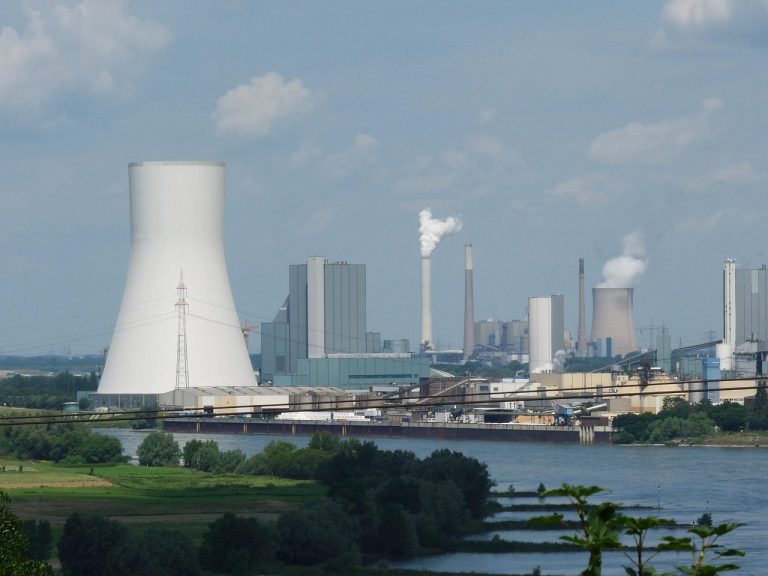

Innovative Technologies Driving the Energy Transition: A Deep Dive
The global energy landscape is undergoing a profound transformation driven by the urgent need to combat climate change and ensure sustainable energy for all. This transition involves shifting from fossil-based energy systems to renewable and sustainable energy sources. The role of innovative technologies in this energy transition cannot be overstated. From advanced solar panels to smart grids, these technologies are paving the way for a cleaner and more efficient energy future.
Understanding the Energy Transition
Before exploring the technologies driving this transition, it’s crucial to understand what the energy transition entails. At its core, the energy transition aims to reduce the reliance on fossil fuels such as coal, oil, and natural gas, which are major contributors to greenhouse gas emissions. Instead, it promotes the adoption of renewable energy sources like solar, wind, and hydropower.
However, transitioning to these sustainable sources is not merely an overnight switch. It requires an integrated approach involving technological innovation, policy support, and financial investment. The goal is to create an energy system that is not only sustainable but also secure and affordable for all.
Solar Power: Harnessing the Sun’s Potential
Among the most prominent technologies in the energy transition is solar power. Over the past decade, advancements in solar technology have dramatically reduced costs and increased efficiency. Photovoltaic cells, which convert sunlight directly into electricity, are continually being improved to capture more energy.
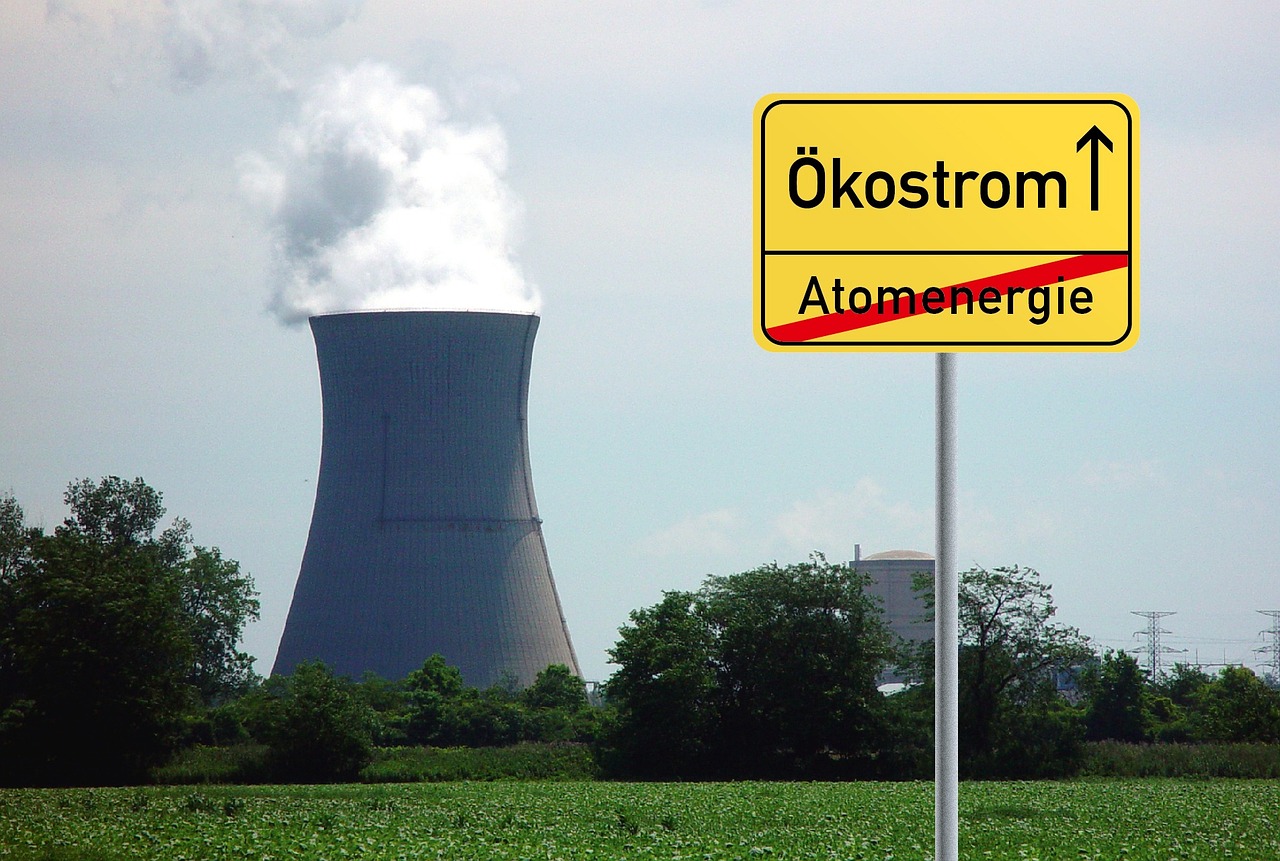
Recent developments in solar panel efficiency have led to the creation of bifacial panels, which capture sunlight from both sides, significantly boosting energy output. Furthermore, solar power can now be stored more effectively thanks to innovations in battery technology, such as lithium-ion and solid-state batteries.
Wind Energy: Power from the Air
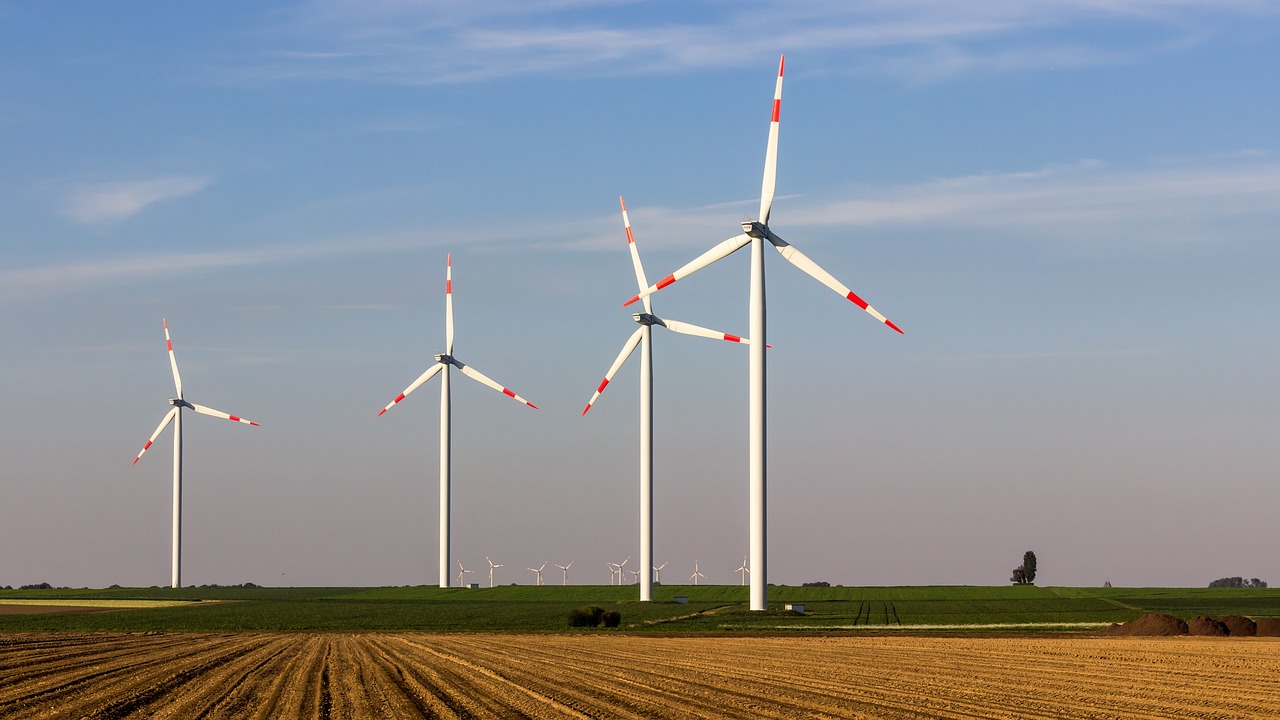
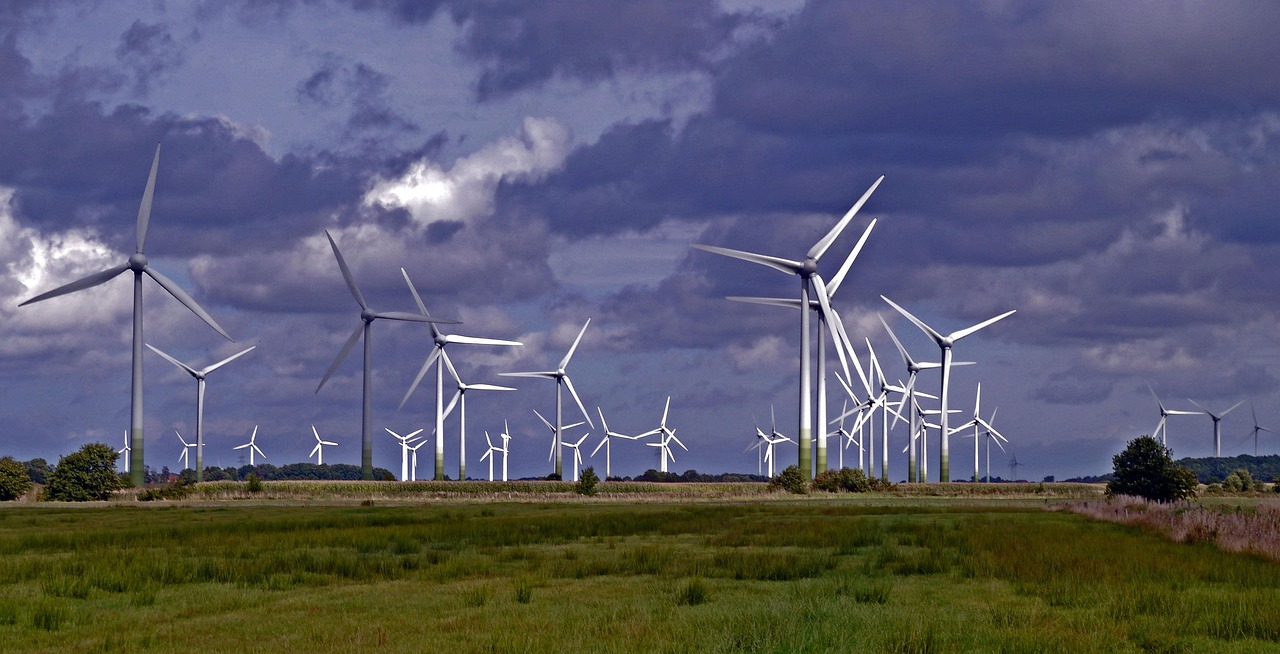
Wind energy is another key player in the energy transition. Technological advancements have led to the development of larger, more efficient wind turbines capable of generating more power even at lower wind speeds. Offshore wind farms, which take advantage of stronger and more consistent winds at sea, are becoming increasingly prevalent.
Countries like Denmark and Germany are leading the way in wind energy adoption, with offshore wind farms set to play a major role in their energy mix. Moreover, technological innovations such as floating wind turbines are expanding the potential locations for wind farms, allowing for installation in deeper waters where traditional turbines cannot be anchored.
Smart Grids: The Backbone of the Future
As renewable energy sources become more widespread, the existing energy grid must evolve to accommodate them. This is where smart grids come into play. A smart grid uses digital technology to monitor and manage the flow of electricity from all generation sources to meet the varying electricity demands of end-users.
Smart grids offer numerous benefits, including improved reliability, reduced outages, and the ability to integrate diverse energy sources. By utilizing real-time data, smart grids can optimize electricity distribution and reduce waste. They also empower consumers to manage their energy use more effectively, thanks to smart meters and home energy management systems.

Energy Storage: Bridging Supply and Demand
One of the biggest challenges with renewable energy is its variability. The sun doesn’t always shine, and the wind doesn’t always blow. Energy storage solutions are essential to bridge the gap between supply and demand. Technologies like advanced battery systems, pumped hydroelectric storage, and even hydrogen fuel cells are being developed to store excess energy produced during peak generation times for use when production is low.
These storage solutions not only ensure a stable energy supply but also enhance the efficiency and reliability of the grid. As technology continues to advance, energy storage systems are becoming more cost-effective, further facilitating their adoption on a global scale.
Hydrogen: A Clean Fuel for the Future
Hydrogen is emerging as a versatile energy carrier with the potential to decarbonize sectors that are hard to electrify, such as heavy industry and long-haul transport. When produced using renewable energy, hydrogen becomes a truly clean fuel. Electrolysis, the process of using electricity to split water into hydrogen and oxygen, is at the forefront of green hydrogen production.
Countries around the world are investing in hydrogen infrastructure and technology. For instance, Japan aims to become a “hydrogen society” by integrating hydrogen into its energy system. Similarly, the European Union has outlined a comprehensive hydrogen strategy to reduce carbon emissions and support economic growth.
Policy and Investment: Enabling the Transition
While technological innovation is critical, it needs to be supported by robust policy frameworks and financial investment. Governments play a pivotal role in setting targets, providing incentives, and creating a conducive environment for the adoption of renewable technologies.
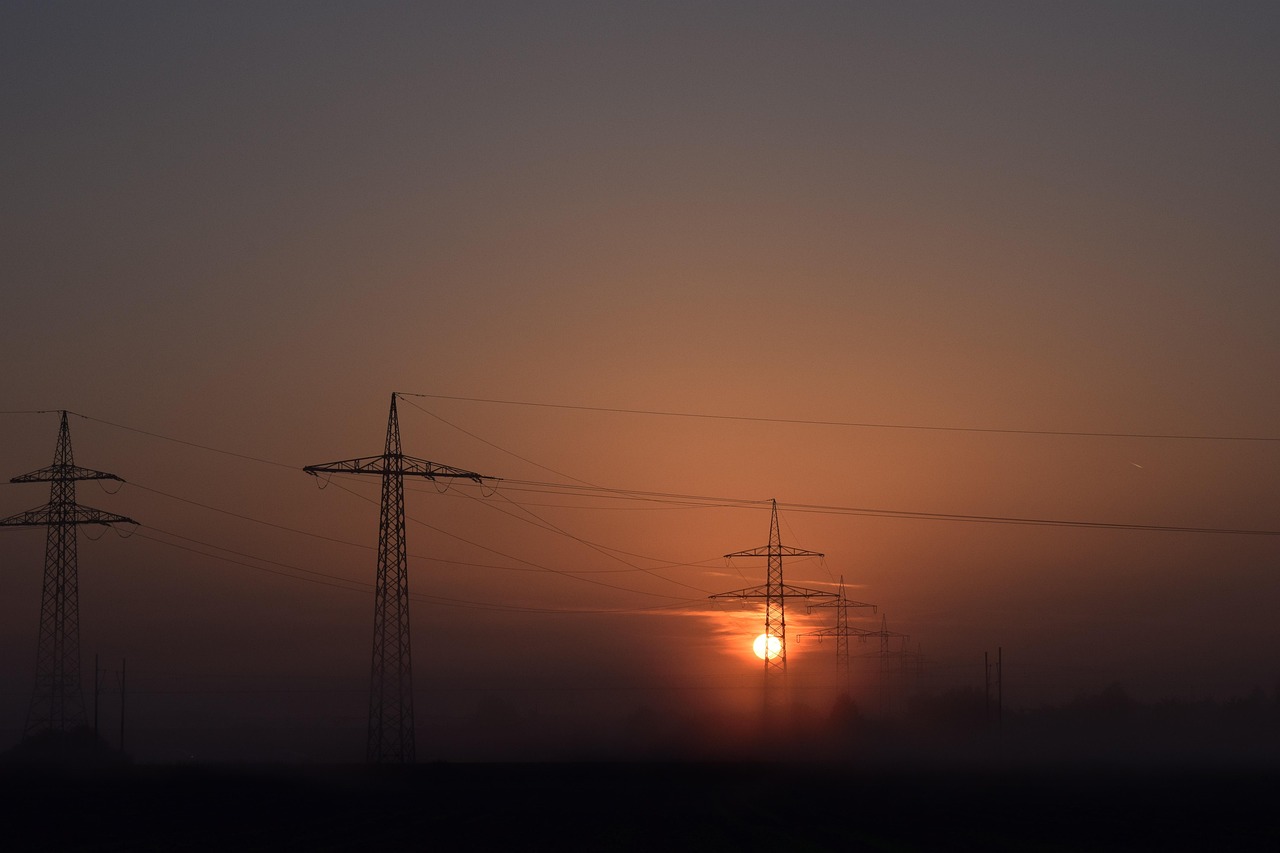
Public and private investment in research and development is crucial to accelerate technological breakthroughs and bring them to market. International cooperation and partnerships are also essential, as they facilitate knowledge sharing and enable the scaling of successful technologies across borders.
Conclusion: A Collaborative Effort for a Sustainable Future
The energy transition is a complex but necessary journey that requires collaboration between governments, industries, and individuals. Innovative technologies are the driving force behind this shift, making it possible to envision a future where energy is clean, sustainable, and accessible to all.
As we continue to develop and adopt these technologies, it is essential to remain committed to the goals of reducing emissions, enhancing energy security, and promoting economic growth. The transition to a sustainable energy system is not just a technological challenge but a societal one, and it is up to all of us to make it a reality.
Emerging Trends: Decentralized Energy Systems
One of the most exciting trends in the energy transition is the move towards decentralized energy systems. Unlike traditional centralized power systems, decentralized systems generate electricity closer to where it’s used, often through renewable energy sources. This not only reduces transmission losses but also increases energy resilience against central grid disruptions.
Microgrids are a prime example of decentralized energy systems. These small-scale power grids can operate independently or in conjunction with the main grid. They are particularly beneficial in remote areas where extending the central grid is not feasible. Moreover, microgrids can integrate various renewable energy sources, storage solutions, and smart technologies to provide reliable and sustainable power.
Artificial Intelligence and Data Analytics: Optimizing Energy Use
The integration of artificial intelligence (AI) and data analytics into the energy sector is transforming how energy is produced, distributed, and consumed. AI algorithms can predict energy demand patterns and optimize the operation of renewable energy systems, thereby minimizing waste and maximizing efficiency.
For instance, AI can enhance the performance of wind farms by predicting wind patterns and adjusting turbine operations accordingly. Similarly, in solar farms, AI can optimize the alignment of panels throughout the day to capture the maximum amount of sunlight. On the consumer side, smart home systems use AI to manage energy consumption by learning user preferences and adjusting devices automatically.
Carbon Capture, Utilization, and Storage (CCUS)
As we transition to a low-carbon economy, addressing emissions from industries that are difficult to decarbonize is crucial. Carbon Capture, Utilization, and Storage (CCUS) technologies offer a pathway to reduce emissions by capturing carbon dioxide (CO2) from industrial processes and either reusing it or storing it underground.
CCUS can be applied in various sectors, such as cement and steel manufacturing, where alternative decarbonization options are limited. By capturing CO2 emissions before they enter the atmosphere, these technologies play a vital role in mitigating climate change. Additionally, captured carbon can be converted into useful products, such as biofuels or building materials, creating new economic opportunities.
Challenges and Opportunities Ahead
The journey towards a sustainable energy future is not without its challenges. Technological limitations, high initial costs, regulatory hurdles, and social acceptance are some of the barriers that need to be addressed. However, these challenges also present opportunities for innovation and collaboration.
For instance, ongoing research and development can lead to breakthroughs that reduce costs and improve the efficiency of renewable technologies. Policy reforms can accelerate the deployment of clean energy solutions by providing incentives and removing regulatory barriers. Engaging communities and raising awareness about the benefits of the energy transition can foster social acceptance and participation.
The Role of Consumers in the Energy Transition
Consumers play a crucial role in the success of the energy transition. By making informed choices, individuals can contribute to a more sustainable energy system. Simple actions, such as adopting energy-efficient appliances, installing solar panels, or participating in demand response programs, can significantly reduce carbon footprints.
Furthermore, the rise of prosumers—consumers who also produce energy—illustrates the shifting dynamic in the energy market. Prosumers generate electricity through renewable sources like rooftop solar panels and can sell excess power back to the grid, thus actively participating in the energy ecosystem.
Conclusion: A Collective Path to Sustainability
The energy transition represents a profound shift in how we produce, consume, and think about energy. It is driven by the collective efforts of governments, industries, communities, and individuals, all working towards a common goal: a sustainable and resilient energy future.
Innovative technologies are at the heart of this transition, providing the tools and solutions needed to overcome challenges and seize opportunities. As we continue on this path, it is essential to remain focused on collaboration, innovation, and inclusivity to ensure that the benefits of the energy transition are shared by all.
By embracing these changes, we can create a cleaner, more sustainable world for future generations, ensuring that energy remains a driver of progress and prosperity.
About the Author