Preserving Our Planet: The Critical Role of Forests and Rainforests in Climate Change
As the world grapples with the pressing issue of climate change, the importance of forests and rainforests comes into sharp focus. These ecosystems are not just a haven for biodiversity but also serve as vital carbon sinks that mitigate the effects of climate change. This blog post delves into the myriad ways forests and rainforests contribute to preserving our planet and why their conservation is crucial for the future of our environment.
The Role of Forests in Carbon Sequestration
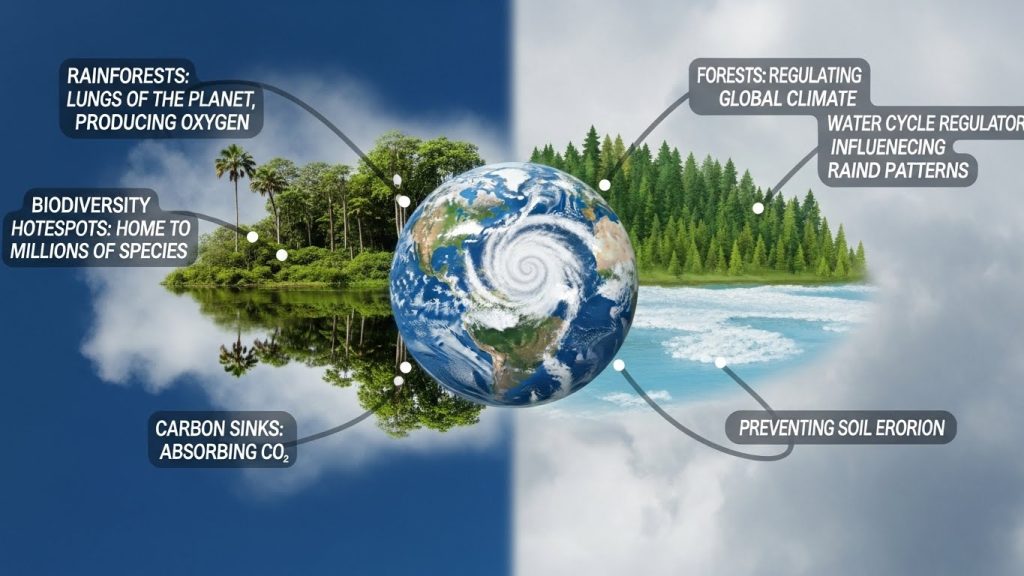
Forests play an essential role in carbon sequestration, which is the process of capturing and storing atmospheric carbon dioxide. Trees absorb CO2 during photosynthesis, storing carbon in their biomass and releasing oxygen back into the atmosphere. This process helps reduce the concentration of greenhouse gases, which are responsible for global warming.
According to estimates, forests absorb approximately 2.6 billion tonnes of carbon dioxide each year, offsetting about one-third of the carbon released from burning fossil fuels. The Amazon Rainforest alone holds up to 90 billion tonnes of carbon, making it a critical ally in the fight against climate change.
Biodiversity Hotspots and Climate Regulation
Rainforests are known for their incredible biodiversity, hosting more than half of the world’s plant and animal species. This biodiversity is not just ecologically valuable but also crucial for climate regulation. Diverse ecosystems are generally more resilient to changes, meaning they can better withstand and adapt to the impacts of climate change.

Furthermore, the interactions between various species and their environment help maintain the ecological balance. For instance, certain tree species in the rainforest are known to release water vapor into the atmosphere, contributing to cloud formation and rainfall patterns, which are essential for sustaining local and regional climates.
Forests as Natural Climate Buffers
Forests act as natural buffers against extreme weather events such as floods, droughts, and storms. The vegetation in forests helps to stabilize the soil, reducing the risk of landslides and erosion. Additionally, forests regulate the water cycle by capturing and slowly releasing rainfall, thus preventing flooding and maintaining water supplies during dry periods.
In tropical regions, rainforests play a crucial role in maintaining local weather patterns. They generate moisture through transpiration, which contributes to humidity and precipitation. This phenomenon can influence weather systems far beyond the rainforest itself, demonstrating the interconnected nature of global climate systems.
Economic and Social Benefits of Forest Conservation
Beyond their ecological importance, forests provide substantial economic and social benefits. They are a source of livelihoods for over 1.6 billion people globally, many of whom rely on forests for food, medicine, and shelter. Sustainable forest management can help communities thrive economically while ensuring the preservation of these vital ecosystems.
Moreover, forests offer recreational and cultural value. They are places of beauty and tranquility, providing opportunities for ecotourism and recreation. Protecting forests ensures that future generations can continue to enjoy these natural wonders.
Challenges in Forest Conservation
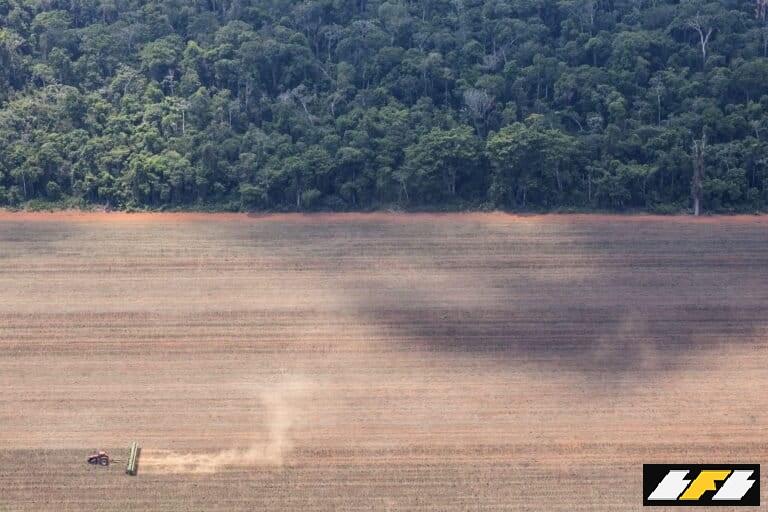
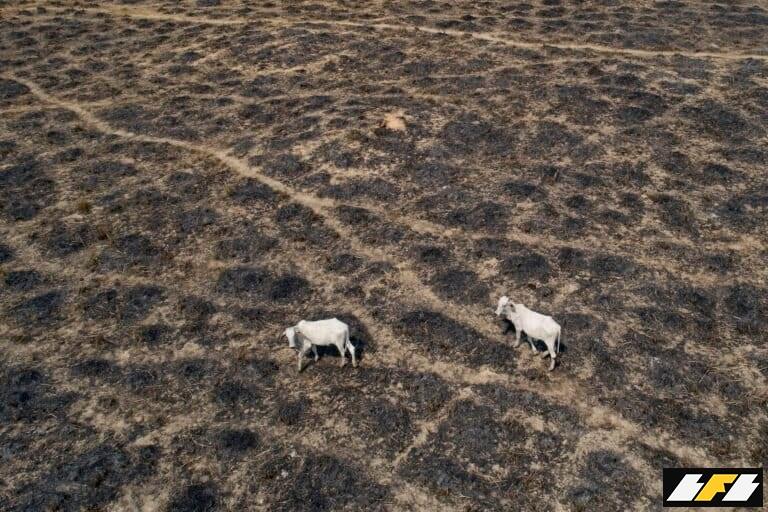
Despite their importance, forests and rainforests face numerous threats. Deforestation, driven by agriculture, logging, mining, and urban expansion, is a major challenge. It is estimated that we lose about 18 million hectares of forest each year, equivalent to 27 soccer fields every minute. This loss not only reduces biodiversity but also accelerates climate change by releasing stored carbon into the atmosphere.
Efforts to combat deforestation are complex and require coordinated action at local, national, and international levels. Policies and incentives that promote sustainable land use, reforestation, and the protection of existing forests are critical. International agreements like the Paris Agreement emphasize the importance of reducing emissions from deforestation and forest degradation.
Innovative Solutions and Global Initiatives
There are numerous innovative solutions and global initiatives aimed at preserving forests and combating climate change. One such initiative is REDD+ (Reducing Emissions from Deforestation and Forest Degradation), which provides financial incentives to developing countries for reducing emissions from forested lands and investing in low-carbon paths to development.
Technological advancements also offer promising solutions. Satellite monitoring can track deforestation in real-time, enabling quicker responses to illegal logging activities. Furthermore, the use of drone technology and AI can improve data collection and analysis, enhancing conservation efforts.
The Role of Individuals and Communities
While large-scale initiatives are crucial, individual and community actions also play a significant role in forest conservation. Supporting sustainable products and companies, reducing paper and wood consumption, and participating in tree-planting activities are ways individuals can contribute to forest preservation.
Community-based forest management, where local communities have a stake in conservation efforts, has proven successful in many regions. These initiatives empower local populations, providing them with the resources and knowledge needed to manage forests sustainably.
Takeaways
The role of forests and rainforests in combating climate change cannot be overstated. They are indispensable allies in our efforts to reduce greenhouse gas concentrations, regulate the climate, and preserve biodiversity. With coordinated global efforts and local actions, we can address the challenges facing these vital ecosystems and ensure their preservation for future generations.
As we continue to explore solutions to mitigate climate change, the conservation and sustainable management of forests and rainforests must remain a priority. By recognizing their value and taking decisive action, we can preserve these natural treasures and, in doing so, secure a healthier, more stable planet. For more information on how forests impact climate change, visit the Food and Agriculture Organization and the World Resources Institute.
Empowering the Next Generation
Education plays a pivotal role in ensuring the future conservation of forests and rainforests. By integrating environmental education into school curriculums, we can raise awareness about the significance of these ecosystems and the challenges they face. Teaching children about the importance of biodiversity, carbon sequestration, and sustainable practices can inspire a new generation of conservationists.
Programs such as the Yale School of the Environment offer specialized courses and research opportunities focusing on forest conservation and climate change mitigation. These educational initiatives can equip students with the knowledge and skills necessary to tackle environmental challenges effectively.
The Importance of Policy and Governance
Effective policy and governance are critical components in the successful conservation of forests and rainforests. Governments play a crucial role in setting regulations and creating frameworks that promote sustainable land use and forest management. Strong enforcement mechanisms are necessary to ensure compliance with environmental laws and to penalize illegal activities like logging and land clearance.
International cooperation is also essential, as many forests span across national borders. Transboundary conservation efforts can help protect ecosystems that are shared by multiple countries. Collaborative projects like the Amazon Cooperation Treaty Organization (ACTO) facilitate joint efforts in preserving the Amazon Rainforest through coordinated policies and shared resources.
The Role of Technology in Forest Conservation
Technology can significantly enhance our ability to conserve forests. Remote sensing technologies, such as satellites and drones, provide comprehensive data on forest cover, health, and biodiversity. This information is invaluable for monitoring deforestation trends and assessing the effectiveness of conservation strategies.
Moreover, digital platforms and applications can connect local communities with conservation experts, facilitating knowledge sharing and collaboration. Mobile technology can also empower indigenous and local populations by granting them access to tools that help in land management and conservation planning.
Public Awareness and Advocacy
Raising public awareness about the importance of forests in climate change mitigation is crucial for garnering support for conservation efforts. Advocacy campaigns can mobilize public opinion and influence policy decisions. By highlighting the ecological, economic, and social benefits of forests, these campaigns can encourage more sustainable consumer choices and increased funding for conservation projects.
Organizations such as the Greenpeace and the Rainforest Alliance actively engage in campaigns and initiatives that raise awareness and encourage action to protect forests worldwide. These efforts are vital in creating a global movement towards sustainable forest management.
Conclusion: A Call to Action
Forests and rainforests are integral to the health of our planet. Their role in mitigating climate change through carbon sequestration, supporting biodiversity, and regulating weather patterns underscores the need for their conservation. As individuals, communities, and nations, we are all stakeholders in the future of these ecosystems.
The challenges are significant, but so too are the opportunities for positive change. By embracing sustainable practices, supporting policies that protect forests, and leveraging technology and education, we can ensure these vital ecosystems continue to thrive. The time to act is now, and by working together, we can safeguard the planet for future generations.
Let us recognize the invaluable role forests and rainforests play in our world and commit to their preservation. By doing so, we not only protect our environment but also enhance our quality of life, ensuring a sustainable future for all.
About the Author