The Economic Impact of Energy Transition: What to Expect
The global shift towards sustainable energy sources, commonly referred to as the energy transition, is not only an environmental imperative but also an economic one. As countries and companies move away from fossil fuels towards renewable energy, there are significant economic implications that affect industries, employment, and global markets. This article delves into the potential economic impacts of this transition, offering insights into what stakeholders can expect in the coming decades.
Understanding Energy Transition
Energy transition refers to the global energy sector’s shift from fossil-based systems of energy production and consumption, including oil, natural gas, and coal, to renewable energy sources like wind, solar, and hydropower. This shift is driven by the need to reduce carbon emissions and combat climate change while also meeting the growing global energy demand.
Various factors contribute to energy transition, including technological advancements, policy changes, and the decreasing cost of renewable energy technologies. The International Energy Agency (IEA) provides comprehensive insights into these dynamics, highlighting how innovation is making clean energy more accessible and affordable.
Economic Impacts on Industries
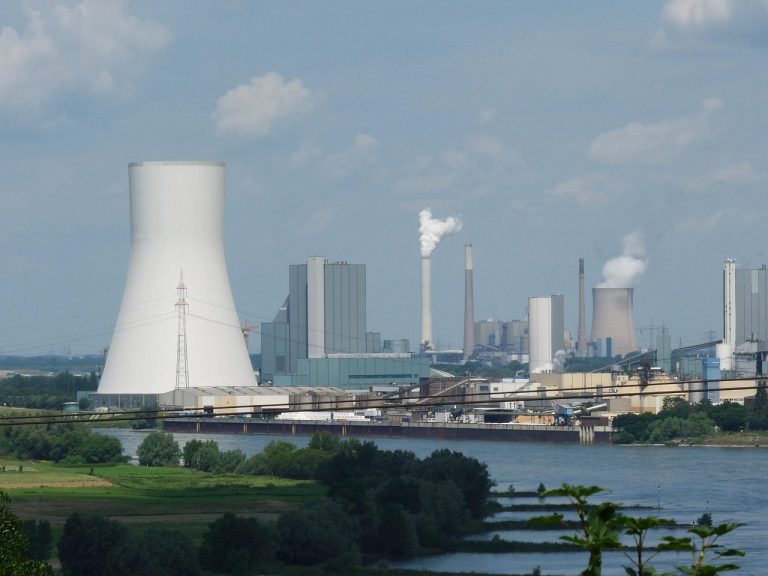
The energy transition has profound implications for industries worldwide. Traditional energy sectors, particularly coal, oil, and natural gas, face declining demand as renewable energy sources become more prevalent. This shift can lead to economic disruptions in regions heavily dependent on fossil fuel extraction and production.
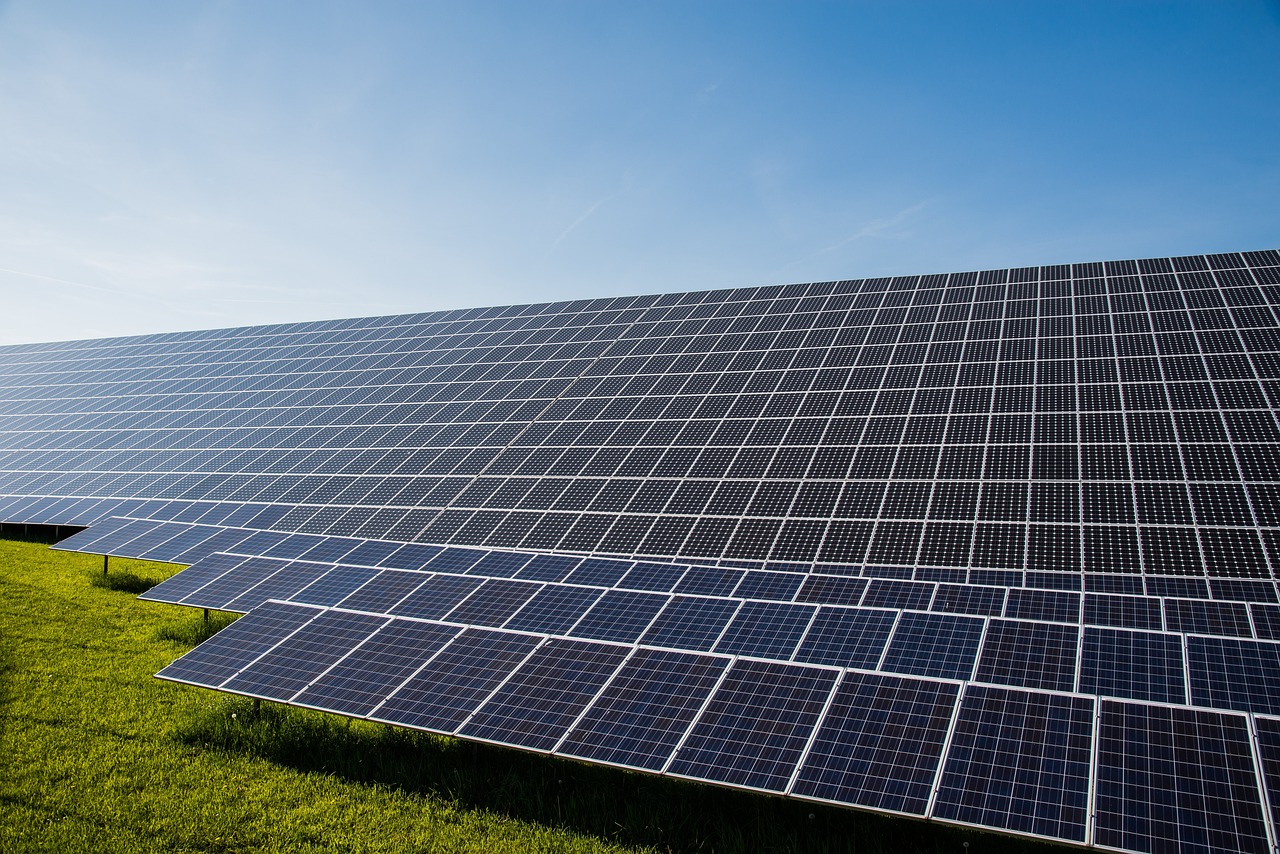
However, new opportunities arise within the renewable energy sector. Industries involved in the manufacturing of solar panels, wind turbines, and battery storage systems are experiencing significant growth. For instance, the International Renewable Energy Agency (IRENA) reports a surge in renewable energy capacity, driven by investments in technology and infrastructure.
Job Creation and Workforce Transition
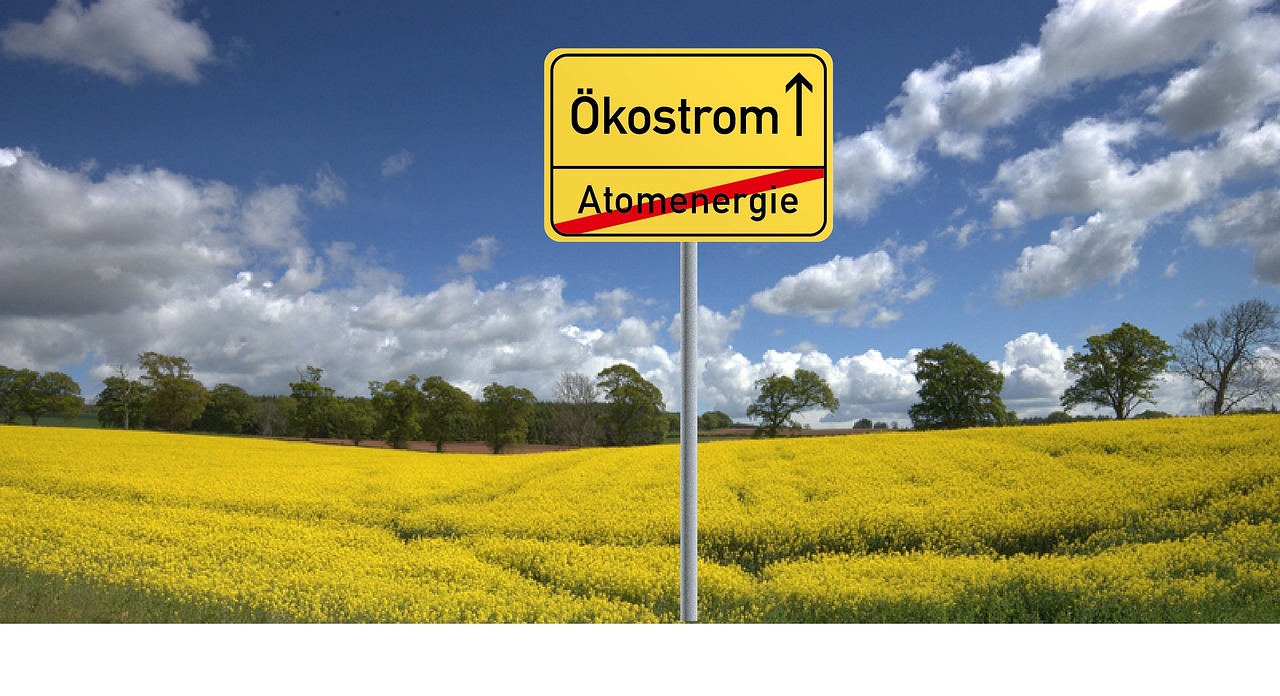
The transition to renewable energy will inevitably affect the global workforce. While some jobs in the fossil fuel industry may be lost, the renewable sector is poised to create millions of new jobs. According to the IRENA, the renewable energy sector employed over 11 million people worldwide in recent years, with numbers expected to grow as investments increase.
Job creation will predominantly occur in sectors such as construction, manufacturing, and maintenance of renewable energy systems. However, this transition requires a workforce equipped with new skills, necessitating significant investments in training and education to ensure that workers can transition smoothly from conventional to renewable energy industries.
Investment Opportunities and Economic Growth
The energy transition offers vast investment opportunities that can drive economic growth. Governments and private investors are increasingly channeling funds into renewable energy projects, which not only supports sustainable development but also provides attractive returns on investment. The World Bank emphasizes the importance of financing renewable energy, highlighting its potential to spur economic development, particularly in emerging markets.
Furthermore, the development of green technologies and innovations can stimulate economic growth by creating new markets and industries. Advances in energy efficiency, electric vehicles, and smart grid technologies present unique opportunities for economic expansion and competitiveness on a global scale.
Global Energy Market Dynamics
The energy transition is reshaping global energy markets. As countries shift towards renewable energy, there is a growing trend of decentralization in energy production. Unlike centralized fossil fuel plants, renewable energy systems such as solar and wind enable localized energy generation, reducing dependence on imported fuels and enhancing energy security.
This shift is prompting changes in energy pricing and market structures. With the increasing penetration of renewables, energy markets are becoming more competitive, leading to fluctuations in prices and altering traditional supply-demand dynamics. The U.S. Department of Energy highlights how this transformation encourages innovation and efficiency in energy markets, ultimately benefiting consumers.

Challenges and Considerations
Despite its benefits, the energy transition poses several challenges. The initial capital investment required for renewable energy infrastructure can be substantial, and financial resources may be limited in some regions. Governments and organizations must navigate these challenges by creating supportive policies and frameworks that encourage investment and mitigate risks.
Additionally, the intermittent nature of renewable energy sources such as solar and wind presents reliability challenges. Developing effective energy storage solutions and grid management systems is crucial to ensure a stable energy supply. Furthermore, transitioning economies must address potential social and economic disparities that may arise from the shift away from fossil fuels.
Takeaways
The economic impact of energy transition is multifaceted, presenting both challenges and opportunities. While it disrupts traditional industries, it also fosters innovation, job creation, and economic growth. The transition requires a collaborative effort from governments, industries, and communities to ensure a sustainable and inclusive energy future.
As the world progresses towards a greener economy, stakeholders must remain proactive in managing the economic implications of energy transition. By investing in renewable energy, developing a skilled workforce, and creating supportive policies, we can pave the way for a more sustainable and prosperous global economy.
The Role of Policy and Regulation
Policy and regulation play a critical role in steering the energy transition. Governments worldwide are implementing policies to incentivize the adoption of renewable energy and reduce carbon emissions. These policies include tax credits, subsidies, and renewable energy mandates that encourage both individuals and businesses to invest in clean energy technologies.
For example, the European Union’s 2030 climate and energy framework sets ambitious targets for reducing greenhouse gas emissions and increasing the share of renewable energy. Such policies not only drive the energy transition but also provide a stable environment for investors and companies to thrive in the green economy.
Technological Advancements and Innovation
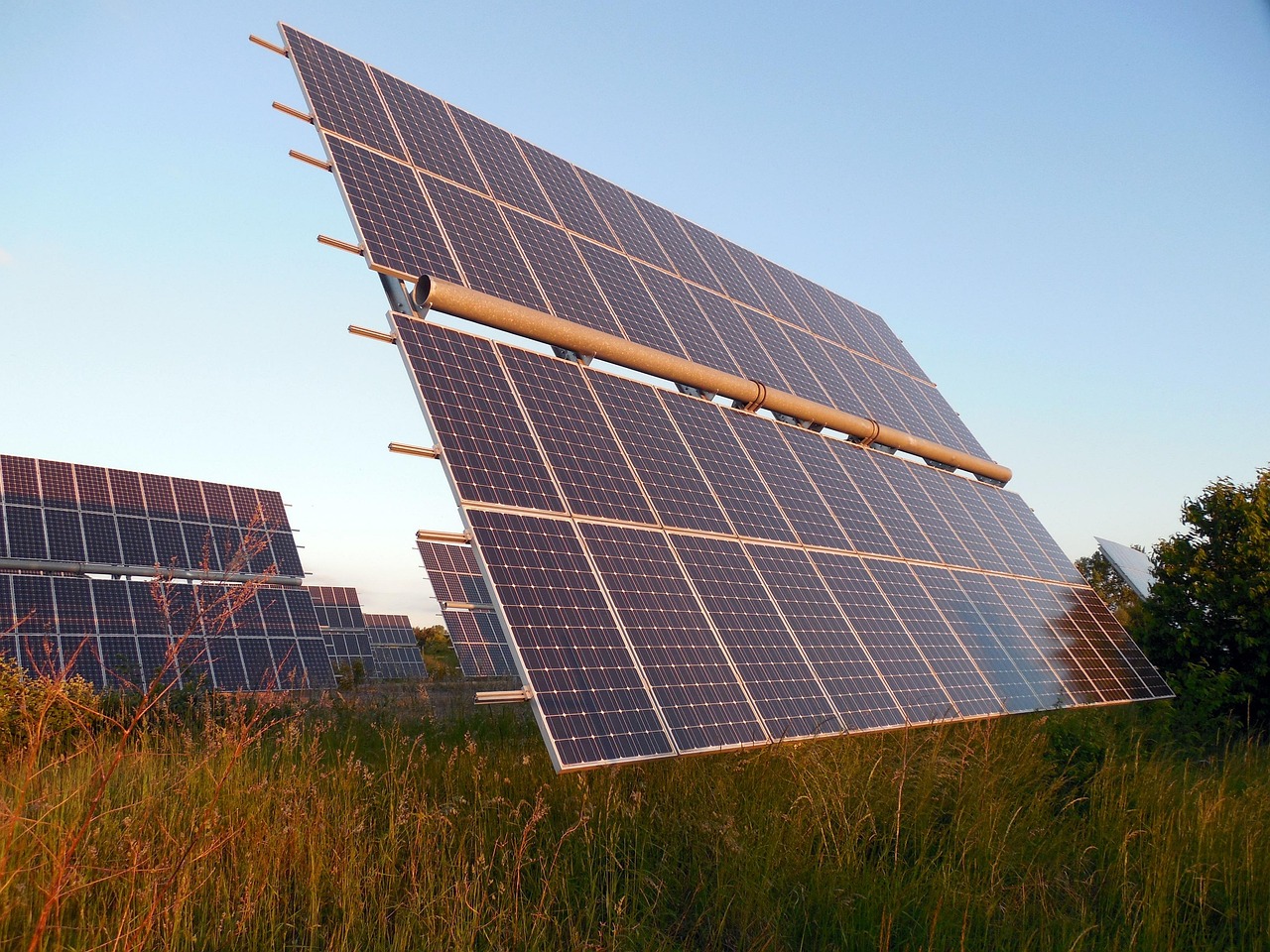
Technological advancements are at the heart of the energy transition, driving efficiencies and reducing costs. Innovations in solar photovoltaics, wind turbine design, and energy storage technologies have significantly lowered the cost of renewable energy, making it more competitive with traditional energy sources.
Moreover, advancements in digital technologies, such as the Internet of Things (IoT) and artificial intelligence (AI), are revolutionizing energy management and consumption. Smart grids, which use digital technology to monitor and manage the transport of electricity from all generation sources, improve reliability and efficiency, enabling better integration of renewable energy into the grid.
Social Implications of Energy Transition
The energy transition has significant social implications, affecting communities and individuals worldwide. As industries evolve and new technologies emerge, there is a need for social adaptation and resilience. This includes addressing energy poverty and ensuring that all communities have access to affordable and reliable energy.
Efforts must be made to ensure that the benefits of the energy transition are distributed equitably. This involves creating inclusive policies that support disadvantaged communities and provide opportunities for social and economic development. Education and training programs are essential to equip individuals with the skills needed to participate in the green economy.
International Cooperation and Collaboration
The global nature of the energy transition requires international cooperation and collaboration. Countries must work together to share knowledge, technologies, and best practices to accelerate the transition and achieve global climate goals. Organizations such as the United Nations Framework Convention on Climate Change (UNFCCC) facilitate international dialogue and cooperation, fostering a collective effort towards a sustainable energy future.
Additionally, partnerships between the public and private sectors are crucial for driving innovation and investment in renewable energy. Collaborative efforts can lead to the development of new technologies and infrastructure, enhancing the pace and effectiveness of the energy transition.
Future Outlook and Long-term Implications
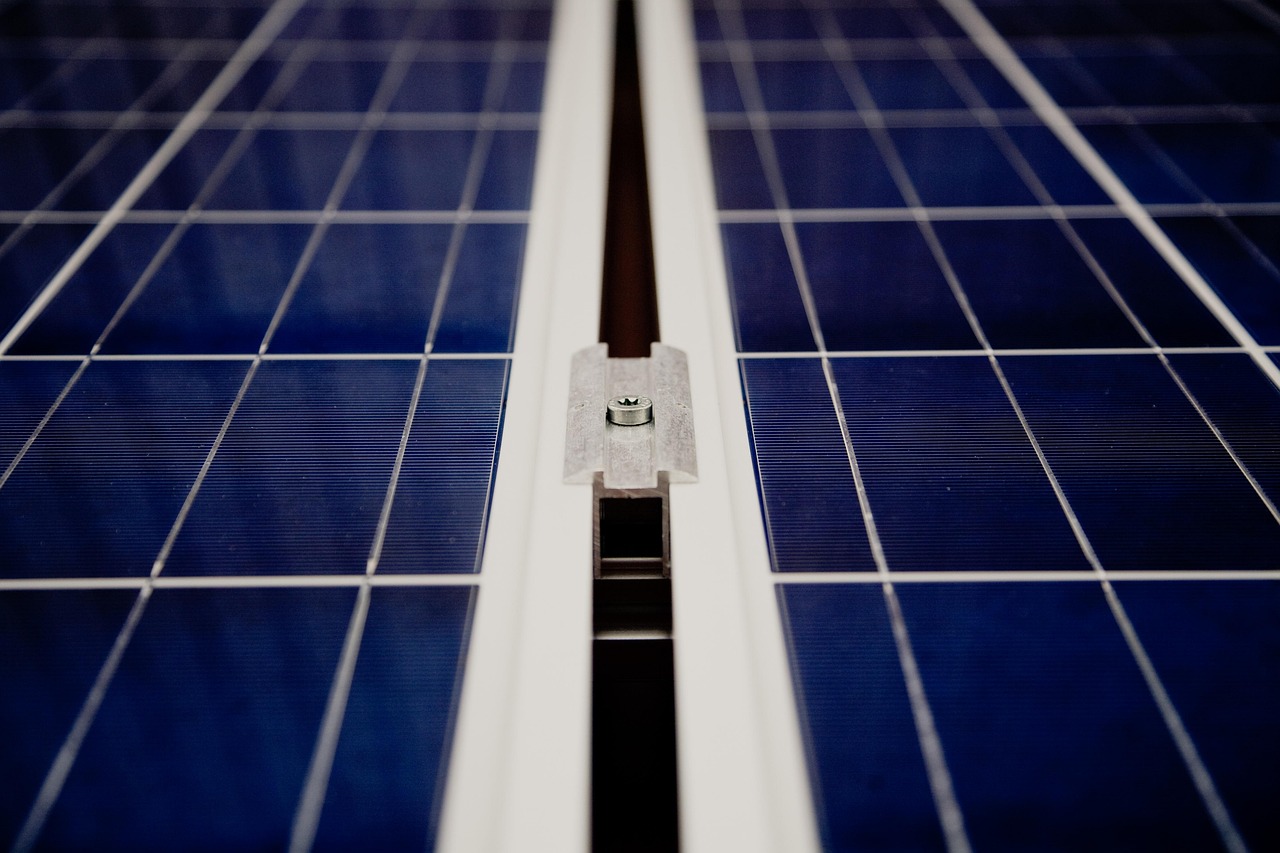
Looking ahead, the energy transition is poised to transform the global economy. As renewable energy becomes more integrated into energy systems, it has the potential to create a more sustainable, resilient, and inclusive economy. The transition also aligns with broader sustainability goals, contributing to environmental protection and social well-being.
However, the long-term success of the energy transition depends on continued commitment and action from all stakeholders. This includes sustained investment in research and development, the implementation of supportive policies, and the promotion of international cooperation. By addressing these challenges and seizing opportunities, we can build a cleaner, more equitable energy future for all.
In conclusion, the economic impact of energy transition is far-reaching, influencing industries, employment, investment, and global markets. While challenges exist, the benefits of a sustainable energy transition are immense, offering a pathway to a healthier planet and a thriving economy. Stakeholders must work collaboratively to navigate this transition and harness its potential for positive change.
Adapting to New Market Realities
The shift towards renewable energy creates new market realities that businesses and investors must adapt to. As the demand for renewable energy technologies grows, companies need to innovate to remain competitive. This involves developing new business models, diversifying energy portfolios, and embracing digital transformation.
Moreover, investors are increasingly incorporating environmental, social, and governance (ESG) criteria into their decision-making processes. Companies that prioritize sustainability and demonstrate a commitment to reducing their carbon footprint are more likely to attract investment. The rise of green finance and sustainable investing underscores the importance of aligning business strategies with environmental goals.
Regional Variations in Energy Transition
While the energy transition is a global phenomenon, its pace and impact vary across regions. Developed countries often have more resources to invest in renewable energy infrastructure and innovation, while developing nations face challenges related to financing, technology access, and capacity building.
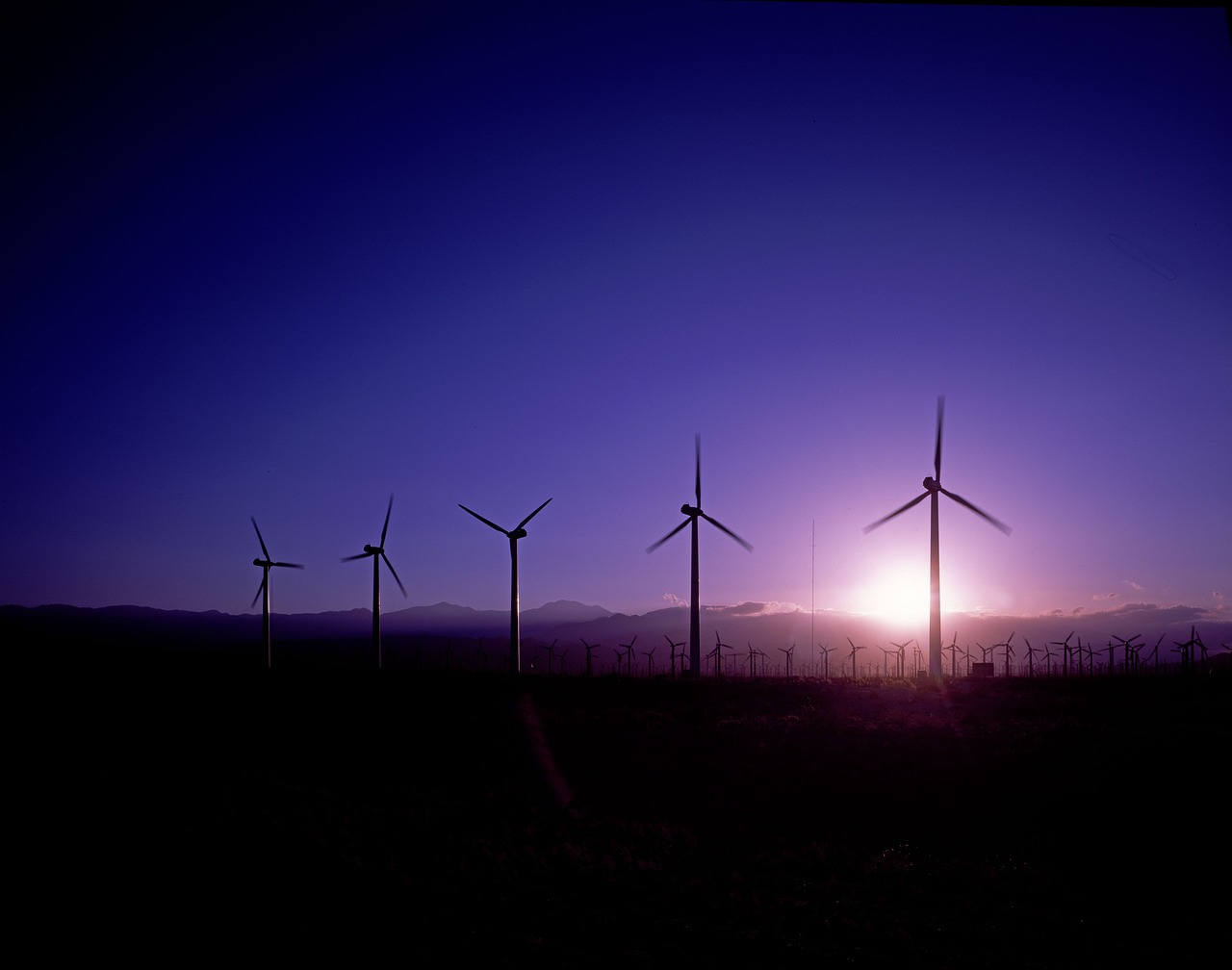
However, developing countries also have unique opportunities to leapfrog traditional energy systems and adopt renewable technologies. By investing in decentralized energy solutions, these regions can enhance energy access and security, fostering economic development and improving quality of life. Initiatives like the Sustainable Energy for All (SEforALL) help bridge gaps and support energy transition efforts in developing regions.
The Role of Consumers in Energy Transition
Consumers play a pivotal role in driving the energy transition. As awareness of environmental issues grows, individuals are increasingly making sustainable choices in their energy consumption. This includes adopting energy-efficient appliances, installing solar panels, and participating in community energy projects.
Consumer demand for clean energy products and services encourages businesses to innovate and invest in sustainable solutions. Furthermore, public support for renewable energy can influence policy decisions and promote the implementation of favorable regulations and incentives.
Resilience and Energy Security
The energy transition has significant implications for energy security and resilience. Renewable energy sources, being abundant and widely distributed, reduce dependency on imported fuels and enhance national energy security. By diversifying energy sources, countries can minimize vulnerabilities associated with geopolitical tensions and price fluctuations in fossil fuel markets.
Additionally, the transition to decentralized energy systems, such as microgrids and distributed generation, enhances resilience against natural disasters and other disruptions. These systems can provide reliable power to remote and underserved areas, supporting critical infrastructure and community resilience.
Conclusion and Call to Action
The economic impact of energy transition is transformative, offering a pathway to a more sustainable and prosperous future. However, realizing the full potential of this transition requires concerted efforts from governments, businesses, and individuals alike. By embracing innovation, fostering collaboration, and prioritizing sustainability, we can navigate the challenges and opportunities of the energy transition.
As we move forward, it is essential to maintain momentum and commitment to clean energy goals. Policymakers must continue to implement supportive regulations, businesses must innovate and invest in sustainable practices, and individuals must advocate for and adopt renewable energy solutions. Together, we can create a resilient, inclusive, and low-carbon economy that benefits both current and future generations.
About the Author