The Fascinating Ecosystems of Forests and Rainforests: A Comprehensive Guide
Forests and rainforests are among the most diverse and complex ecosystems on Earth. They play a pivotal role in maintaining the planet’s ecological balance, offering a rich tapestry of life forms that are interdependent. In this guide, we delve into the intricacies of these ecosystems, exploring their significance, biodiversity, and the challenges they face.
Introduction to Forest Ecosystems
Forests cover approximately 31% of the Earth’s land area and are home to over 80% of the terrestrial biodiversity. These ecosystems are not only vital for wildlife but also for human survival, providing resources such as timber, food, and medicines. Forests also act as carbon sinks, absorbing vast amounts of carbon dioxide from the atmosphere, thus playing a critical role in mitigating climate change.
Types of Forests
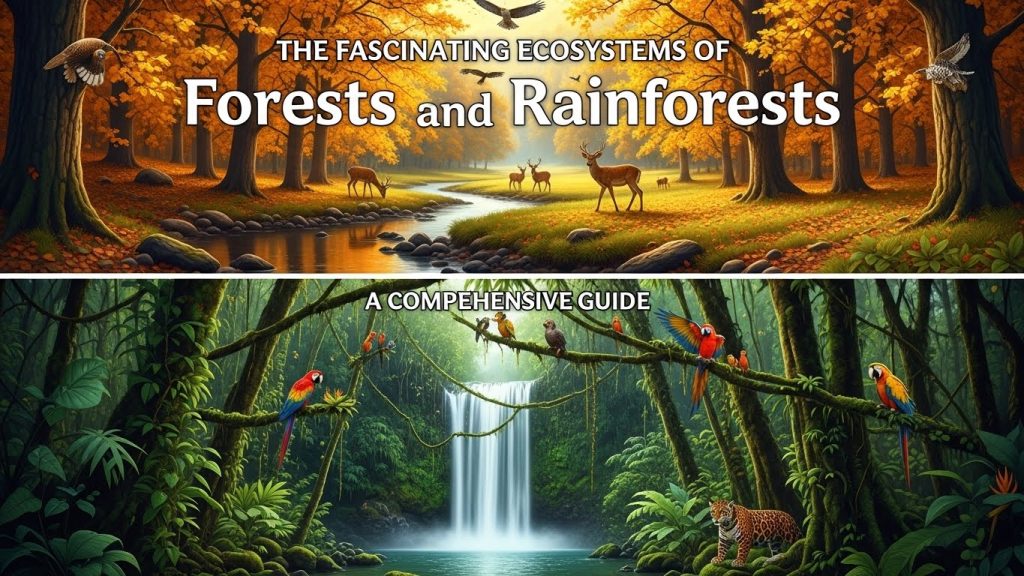
Forests can be broadly classified into three types: tropical, temperate, and boreal. Each forest type has distinct characteristics and supports different kinds of life.
- Tropical Forests: Found near the equator, these forests are characterized by high rainfall and biodiversity. The Amazon Rainforest, for example, is home to a myriad of species, including jaguars, sloths, and countless plant varieties.
- Temperate Forests: Located in regions with moderate climates, these forests experience seasonal changes. The deciduous forests of North America and Europe, shedding leaves in autumn, are classic examples.
- Boreal Forests: Also known as taiga, these forests are found in high latitude regions and are dominated by coniferous trees like pines, spruces, and larches.
Rainforest Ecosystems
Rainforests, a type of tropical forest, are often described as the “lungs of the planet” due to their immense capacity to produce oxygen. They are vital for the global water cycle, regulating rainfall patterns worldwide. Rainforests are renowned for their extraordinary biodiversity, housing countless species that are yet to be discovered.
Biodiversity in Rainforests

Rainforests contain more than half of the world’s plant and animal species despite covering only 6% of the Earth’s surface. This biodiversity is not evenly distributed but is concentrated in certain “hotspots” like the Congo Rainforest. This region is home to gorillas, forest elephants, and a vast array of bird species.
The Role of Forests and Rainforests in Climate Regulation
Forests and rainforests play a crucial role in the Earth’s climate system. They absorb carbon dioxide during photosynthesis, reducing greenhouse gases in the atmosphere. This process is vital for keeping global temperatures in check.
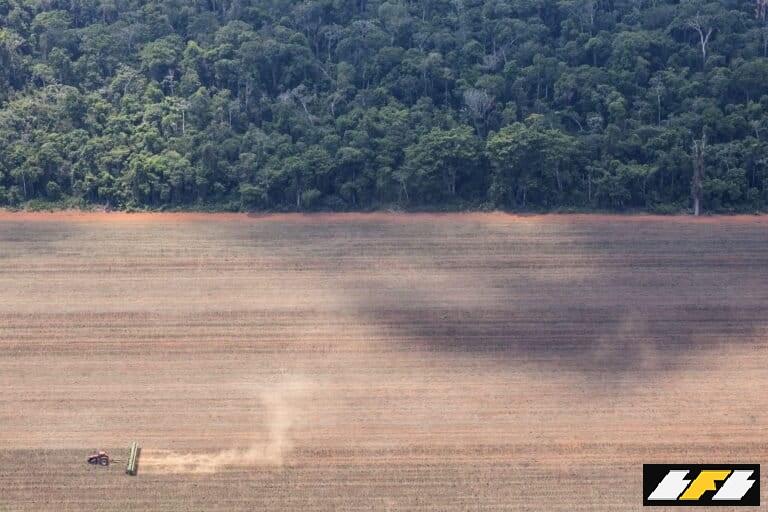
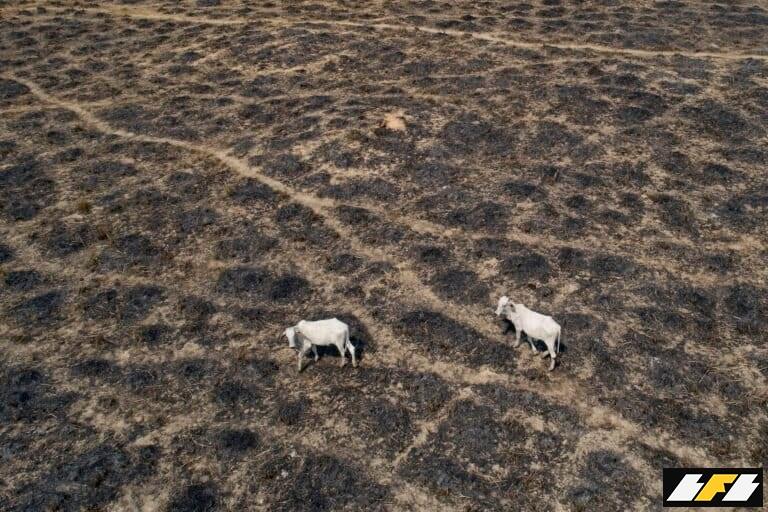
The destruction of forests, particularly through deforestation, threatens this balance. When trees are cut down, the stored carbon is released back into the atmosphere, exacerbating climate change. Efforts to protect and restore these ecosystems are essential for sustaining their role in climate regulation.
Threats to Forests and Rainforests
Despite their importance, forests and rainforests are under severe threat from human activities. The primary causes of deforestation include logging, agriculture expansion, and infrastructure development. The Rainforest Alliance highlights the impact of these activities on forest health and biodiversity.
Climate change also poses a significant threat. Altered weather patterns, increased temperatures, and changing precipitation rates can lead to habitat loss and species extinction. Protecting these ecosystems is critical for maintaining biodiversity and ecological balance.
Conservation Efforts
Numerous conservation efforts are underway to protect and restore forests and rainforests. These include establishing protected areas, reforestation projects, and sustainable land management practices. Organizations like the Conservation International are actively working to preserve these vital ecosystems.
Community involvement is also crucial. Indigenous peoples and local communities have a deep understanding of these ecosystems and play a key role in their conservation. Collaborative efforts between governments, NGOs, and local communities can lead to more effective conservation outcomes.
The Future of Forest Ecosystems
The future of forest and rainforest ecosystems depends on our actions today. Sustainable development, responsible consumption, and active participation in conservation efforts can help protect these natural wonders for future generations.
Technological advancements are also playing a role in conservation. Satellite imagery and AI are being used to monitor forest health and detect illegal activities such as logging. These tools provide valuable data that can inform conservation strategies and policy decisions.
Takeaways
Forests and rainforests are indispensable to the health of our planet. They are reservoirs of biodiversity, regulators of climate, and providers of essential resources. Understanding their complexities and the challenges they face is crucial for their preservation. By fostering cooperation and leveraging technology, we can ensure that these ecosystems continue to thrive, benefitting both nature and humanity.
Innovative Approaches to Forest Conservation
Emerging approaches in conservation are focusing on integrating technology, community involvement, and policy change to enhance the protection of forests and rainforests. These innovative strategies aim to not only halt deforestation but also promote sustainable land use that benefits both the environment and local economies.
Technology in Conservation
Recent technological advancements are revolutionizing forest conservation. Drones are increasingly used for monitoring large tracts of forest, providing real-time data that can be used to track deforestation and illegal logging activities. Machine learning algorithms are being employed to analyze satellite imagery, identifying changes in forest cover with remarkable accuracy.
Blockchain technology is also being explored to ensure the traceability of forest products. By maintaining a transparent and immutable record of the origin and supply chain of timber and other forest-derived goods, blockchain can help combat illegal logging and encourage sustainable practices.
Community-Led Initiatives
Engaging local communities in conservation efforts is crucial for the success of any long-term strategy. Indigenous peoples, who have lived in harmony with these ecosystems for centuries, hold invaluable knowledge about sustainable land management practices.
Projects that empower communities to manage and benefit from their natural resources have shown promising results. For instance, community-based forestry initiatives in regions like the Amazon have led to significant reductions in deforestation rates. By providing alternative livelihoods and involving locals in decision-making processes, these initiatives ensure that conservation efforts are both effective and equitable.
The Economic Value of Forests and Rainforests
Forests and rainforests are not only ecological treasures but also hold significant economic value. They provide a plethora of ecosystem services, including water regulation, soil fertility, and pollination, which are essential for agriculture and other industries.
Ecotourism is another important economic activity that relies on healthy forest ecosystems. Destinations like the Borneo Rainforests attract visitors from around the globe, eager to experience the unique biodiversity and cultural heritage of these regions. Ecotourism not only generates revenue but also raises awareness about the importance of conservation.
Furthermore, forests are a source of non-timber forest products (NTFPs) such as fruits, nuts, resins, and medicinal plants. These products support the livelihoods of millions of people globally and contribute to local and national economies.
Challenges in Forest Conservation
Despite the efforts and strategies in place, forest conservation faces several challenges. Corruption, lack of enforcement of environmental laws, and political instability can hinder conservation efforts. Additionally, the pressure to convert forest land for agricultural and industrial purposes remains high, driven by global demand for commodities like palm oil and soy.
There is also a need for greater investment in conservation. Many initiatives are underfunded, limiting their scale and impact. Addressing these challenges requires a concerted effort from all stakeholders, including governments, businesses, NGOs, and the public.
Conclusion: A Call to Action
The ecosystems within forests and rainforests are vital to the health and sustainability of our planet. Protecting these ecosystems is not just an environmental issue but a moral imperative that requires global cooperation and local action.
As individuals, we can contribute to conservation efforts by making informed choices, such as supporting sustainable products and reducing our carbon footprint. Advocacy and education are also powerful tools in raising awareness and driving policy changes that prioritize forest conservation.
In conclusion, while the challenges are immense, the opportunities to make a positive impact on forest conservation are equally significant. By embracing innovation, empowering communities, and fostering collaboration, we can ensure that forests and rainforests continue to thrive, preserving their incredible biodiversity and ecological functions for generations to come.
Engaging Future Generations in Forest Conservation
The future of forest and rainforest ecosystems largely depends on the involvement and education of younger generations. As the torchbearers of tomorrow, young people hold the potential to drive significant change through innovative ideas and sustainable practices.
Environmental Education
Integrating environmental education into school curricula is essential for fostering a deep appreciation and understanding of forest ecosystems. Programs that focus on teaching students about the importance of biodiversity, the threats forests face, and the role they play in climate regulation can inspire active participation in conservation efforts.
Organizations like the Nature Conservancy offer educational resources and opportunities for students to engage in hands-on conservation activities. These experiences not only build knowledge but also empower young individuals to become advocates for environmental protection.
Youth-Led Initiatives
Across the globe, youth-led initiatives are making a significant impact on forest conservation. From grassroots campaigns to tech-driven solutions, young people are harnessing their creativity and passion to address environmental challenges.
Platforms such as social media enable youth to raise awareness, share knowledge, and mobilize communities around conservation causes. Additionally, youth organizations are actively participating in international forums, ensuring that their voices are heard in decision-making processes related to environmental policies and sustainable development.
The Interconnectedness of Global Ecosystems
Forests and rainforests are part of a larger network of interconnected ecosystems that sustain life on Earth. The health of these ecosystems is closely linked to the well-being of our oceans, grasslands, and freshwater systems.
For instance, the evaporation of water from rainforests contributes to the formation of clouds and precipitation, influencing weather patterns far beyond their geographical boundaries. Similarly, forests play a crucial role in maintaining soil health and preventing erosion, which in turn affects agricultural productivity and food security.
Understanding these connections underscores the importance of adopting a holistic approach to environmental conservation. By recognizing the interdependence of Earth’s ecosystems, we can better address the challenges facing our planet and implement solutions that promote sustainability at a global scale.
A Vision for a Sustainable Future
Imagining a future where forests and rainforests thrive requires a commitment to sustainable development principles. This vision entails balancing ecological preservation with economic growth and social equity, ensuring that the benefits of conservation are shared by all.
Innovative policies that incentivize sustainable land use and forest management can contribute to this vision. For example, payment for ecosystem services (PES) schemes can provide financial rewards to landowners and communities who actively conserve and restore forested areas.
Furthermore, international cooperation is vital in addressing transboundary environmental issues and fostering collaboration among countries to protect shared natural resources. By uniting efforts across borders, we can create a more resilient and sustainable future for our planet.
Conclusion: The Path Forward
The journey to conserve forests and rainforests is ongoing and requires the dedication of individuals, communities, and nations worldwide. While challenges persist, the potential for positive change is immense, driven by innovation, collaboration, and a shared commitment to environmental stewardship.
As we look to the future, let us embrace the responsibility of safeguarding these vital ecosystems. By fostering a culture of sustainability, investing in education, and supporting conservation initiatives, we can ensure that forests and rainforests continue to flourish, providing invaluable benefits to all life on Earth.
In moving forward, let us remember the words of renowned environmentalist Jane Goodall: “What you do makes a difference, and you have to decide what kind of difference you want to make.” Together, we can make a difference that echoes through the forests and rainforests, creating a legacy of conservation and hope for generations to come.
About the Author