The Future of Energy: Understanding the Global Energy Transition
The global energy landscape is undergoing a monumental transformation, often referred to as the energy transition. This shift from traditional fossil fuels to sustainable and renewable energy sources is not just a trend but a necessity driven by environmental, economic, and political factors. As we delve into the future of energy, it is essential to understand the dynamics of the global energy transition, the technologies that are driving it, and the implications for societies worldwide.
The Driving Forces Behind the Energy Transition
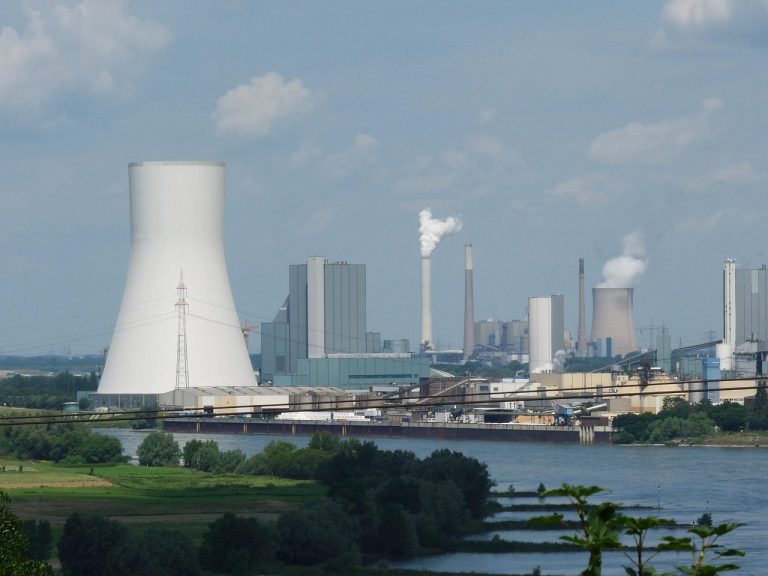
The energy transition is primarily fueled by the urgent need to combat climate change. The scientific consensus is clear: to mitigate the worst impacts of climate change, the world must significantly reduce greenhouse gas emissions. This means moving away from carbon-intensive energy sources such as coal and oil. Furthermore, technological advancements and the falling costs of renewable energy have made alternatives like wind, solar, and hydropower more viable than ever before.
Another critical driver is energy security. Countries are increasingly seeking to reduce their dependence on imported fossil fuels, which are subject to volatile prices and geopolitical tensions. By investing in local renewable energy sources, nations can enhance their energy independence and security.
Key Technologies Transforming the Energy Landscape
Several technologies are at the forefront of the energy transition. Solar energy, with its rapidly decreasing costs and efficiency improvements, has become one of the most popular renewable energy sources. Countries like Germany and China are leading the charge in solar energy adoption, demonstrating its potential to power economies sustainably.

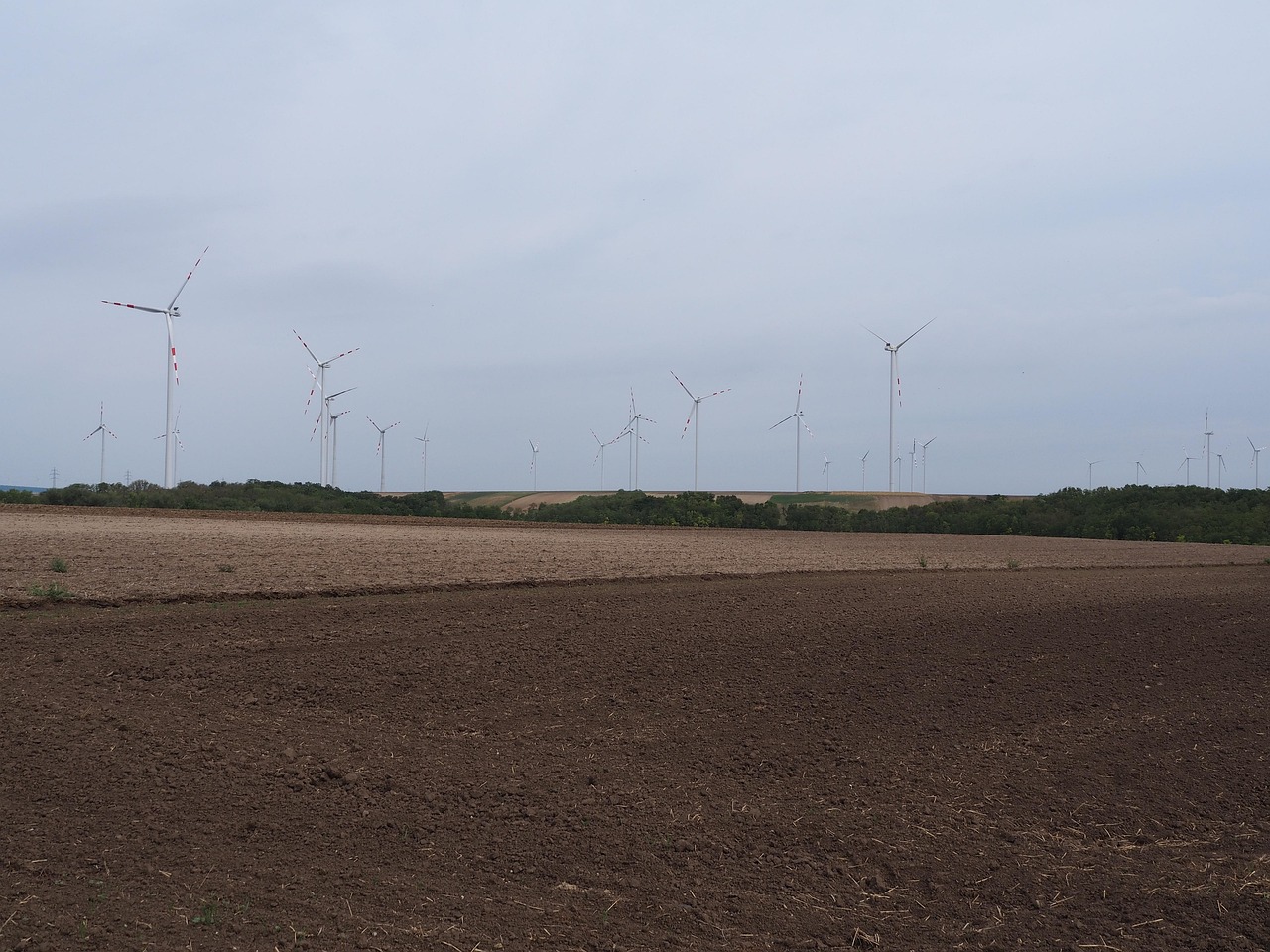
Wind energy is another critical component, especially in regions with favorable wind conditions. Offshore wind farms, in particular, hold immense potential due to stronger and more consistent wind patterns over the ocean. As technology advances, the cost of wind energy continues to decrease, making it a competitive alternative to fossil fuels.
Battery storage technology is also revolutionizing the energy sector by addressing the intermittent nature of renewable energy sources. With improved battery efficiency and storage capacity, renewable energy can be stored and used when demand is high, ensuring a stable and reliable energy supply.
Furthermore, advancements in hydrogen energy offer promising solutions for decarbonizing sectors that are difficult to electrify, such as heavy industry and long-distance transport. Hydrogen can be produced using renewable energy and has the potential to play a significant role in a sustainable energy future.
Implications for Global Economies
The energy transition presents both challenges and opportunities for global economies. On one hand, the shift towards renewable energy can drive economic growth, create jobs, and stimulate technological innovation. According to the International Renewable Energy Agency, the renewable energy sector could employ over 24 million people worldwide by 2030.
However, the transition also poses challenges for industries and regions reliant on fossil fuels. As demand for coal, oil, and gas declines, these sectors face economic uncertainty and potential job losses. To address these challenges, governments and policymakers must implement strategies to support affected workers and communities through retraining programs and economic diversification initiatives.

The Role of Policy and Regulation
Effective policy and regulation are crucial to facilitating the energy transition. Governments worldwide are implementing policies to promote renewable energy adoption, such as subsidies, tax incentives, and renewable energy targets. For instance, the European Union has set ambitious goals to become carbon neutral by 2050, with a significant portion of its energy needs met through renewables.
In addition to national policies, international cooperation is vital to address the global nature of climate change. Agreements like the Paris Agreement aim to unite countries in their efforts to limit global warming to well below 2 degrees Celsius. Collaborative efforts in research and development can also accelerate technological advancements in the energy sector.
The Social Dimension of the Energy Transition
Beyond the economic and environmental aspects, the energy transition has profound social implications. Access to affordable and clean energy is a key component of sustainable development, and the transition can help bridge the energy access gap in developing regions. According to the International Energy Agency, more than 770 million people worldwide still lack access to electricity.
Moreover, the energy transition can contribute to reducing air pollution and improving public health. Fossil fuel combustion is a major source of air pollutants, and transitioning to cleaner energy sources can lead to significant health benefits, particularly in urban areas.
Challenges and Barriers to Overcome
While the energy transition holds great promise, several challenges must be addressed to ensure its success. One of the primary barriers is the existing infrastructure, which is heavily geared towards fossil fuels. Transitioning to a renewable energy system requires significant investment in new infrastructure, including transmission lines, storage facilities, and smart grids.

Financial constraints can also hinder the transition, especially in developing countries where resources are limited. Financing mechanisms and international support are crucial to enabling these regions to invest in renewable energy projects and infrastructure.
Additionally, public acceptance and awareness are essential to drive the transition forward. Educating the public about the benefits of renewable energy and dispelling myths about its reliability and cost can foster greater support for policy initiatives and investments in the sector.
Conclusion: Embracing a Sustainable Energy Future
The global energy transition is not merely an environmental imperative but a comprehensive transformation that encompasses economic, social, and political dimensions. As we move towards a sustainable energy future, it is crucial to embrace innovative technologies, supportive policies, and international cooperation to overcome the challenges that lie ahead.
By understanding and addressing the complexities of the energy transition, we can pave the way for a cleaner, more secure, and equitable energy system for future generations. As individuals, businesses, and governments unite in this endeavor, the vision of a sustainable energy future is within reach, promising a healthier planet and a resilient global economy.
Innovative Approaches to Accelerate the Transition
To further accelerate the global energy transition, innovative approaches and business models are being explored. One such approach is the community solar model, which allows individuals and businesses to invest in or subscribe to a shared solar array. This model makes solar energy more accessible, particularly for those who cannot install solar panels on their properties due to space limitations or financial constraints.

Another promising innovation is the integration of artificial intelligence (AI) and the Internet of Things (IoT) in energy systems. These technologies can optimize energy consumption, enhance grid management, and enable predictive maintenance, leading to increased efficiency and reduced costs. Smart grids that incorporate AI and IoT can better accommodate renewable energy sources and respond dynamically to changes in energy demand and supply.
The Role of Corporate Responsibility
As the energy transition gains momentum, corporate responsibility and sustainability have become central to business strategies. Companies across various sectors are committing to reducing their carbon footprints and investing in renewable energy. Tech giants such as Google and Apple have pledged to operate on 100% renewable energy, setting a precedent for others to follow.
Moreover, businesses are increasingly recognizing the financial benefits of sustainability. Investing in renewable energy can lead to cost savings, enhanced brand reputation, and increased resilience against energy price fluctuations. Companies that prioritize sustainability are also likely to appeal to environmentally conscious consumers and investors, gaining a competitive edge in the market.
Education and Workforce Development
To support the energy transition, education and workforce development are crucial. As the demand for skilled workers in the renewable energy sector grows, educational institutions must adapt by offering specialized training programs and courses in renewable energy technologies. Universities and technical schools are increasingly partnering with industry leaders to provide hands-on training and internships, preparing the next generation of energy professionals.

In addition to formal education, community outreach and awareness programs play a vital role in promoting energy literacy. By educating the public about the benefits and opportunities associated with renewable energy, communities can become active participants in the transition, advocating for policies and initiatives that support sustainable energy development.
Looking Ahead: The Path to 2050
As we look towards 2050, the vision for a sustainable energy future becomes increasingly clear. Achieving this vision will require a multifaceted approach that includes technological innovation, policy support, financial investment, and international collaboration. Governments, businesses, and individuals must align their efforts to create a cohesive strategy that addresses the diverse challenges of the energy transition.
Critical to this strategy is the ongoing development and deployment of renewable energy technologies. Continued research and investment in emerging technologies such as wave and tidal energy, advanced nuclear options, and carbon capture and storage will be essential to diversify the energy mix and reduce emissions further.
Moreover, fostering a culture of innovation and entrepreneurship can drive the discovery of new solutions and business models that will shape the future of energy. By supporting startups and research initiatives, stakeholders can unlock the potential of novel technologies that have yet to be realized.
Conclusion: A Collective Endeavor
The energy transition is a collective endeavor that requires the concerted efforts of all sectors of society. While the challenges are significant, the opportunities for growth, innovation, and sustainability are equally compelling. By embracing the energy transition, we can create a world that is not only environmentally sustainable but also economically prosperous and socially inclusive.
As we move forward, it is crucial to maintain momentum and commitment to the goals of the energy transition. With the right policies, investments, and societal engagement, the vision of a sustainable energy future is within reach. Together, we can build a resilient and equitable energy system that meets the needs of both present and future generations, ensuring a healthier planet for all.
About the Author