The Hidden World of Forests and Rainforests: Uncovering Lesser-Known Species
Forests and rainforests are often referred to as the lungs of our planet, but beyond their crucial role in sustaining life, they are also home to a myriad of species, many of which remain unknown to the general public. These ecosystems are teeming with life, harboring some of the most fascinating and unique organisms on Earth. In this blog post, we will delve into the hidden world of these natural wonders and uncover some of the lesser-known species that call them home.
The Enigmatic Ecosystem of Forests and Rainforests
Forests and rainforests cover approximately 31% of the Earth’s land area, providing a habitat for over 80% of the terrestrial species of animals, plants, and insects. This biodiversity is crucial for the stability and health of the global environment. Despite their importance, many species living within these ecosystems remain largely undocumented, hidden beneath the dense canopy and within the shadows of towering trees.
One of the most surprising aspects of these habitats is their ability to support such a wide range of life forms, from the smallest insects to the largest mammals. Many of these species have evolved unique adaptations to survive in their specific niches. To truly understand the complexity and richness of these environments, it is essential to explore some of these lesser-known inhabitants.
Unique Flora: Beyond the Green Canopy
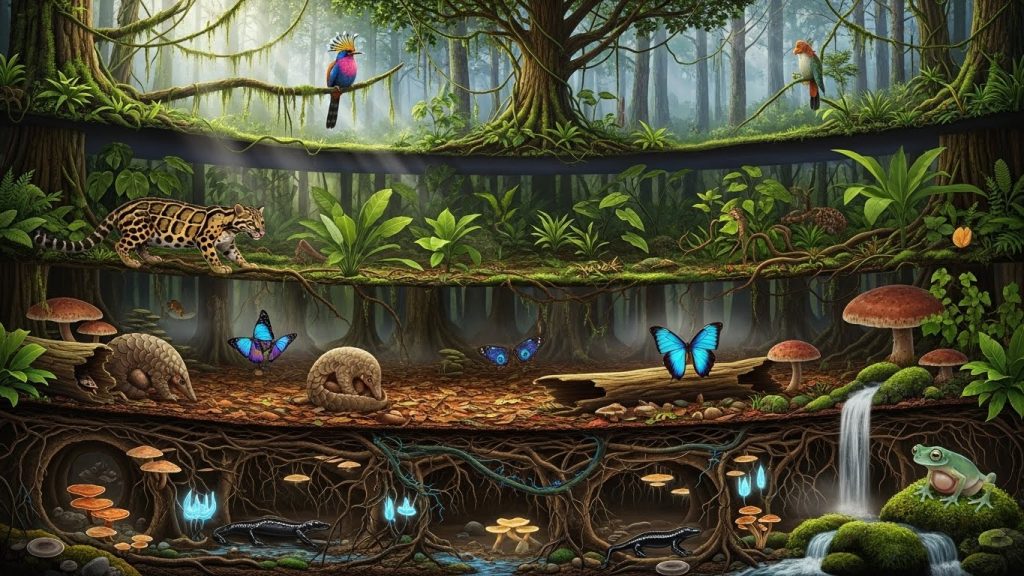
While the towering trees of rainforests like the Amazon are well-known, the forest floor is home to an array of unique plant species that contribute to the ecosystem’s diversity. For instance, the understory layer of the rainforest is where many of these lesser-known plants thrive.

One such plant is the Rafflesia arnoldii, often dubbed the “corpse flower” due to its pungent smell, which mimics that of rotting flesh. This odor attracts insects that help in pollination. Despite being the largest individual flower in the world, it remains hidden in the dense thickets of the forest.
Another fascinating plant is the pitcher plant, which has evolved to trap insects within its cup-shaped leaves filled with digestive fluids. This adaptation allows it to thrive in nutrient-poor soil by supplementing its diet with animal protein.
Fauna of the Forest: Hidden Gems
The animal inhabitants of forests and rainforests are just as diverse and fascinating as the flora. Among these, the Okapi stands out. Often referred to as the “forest giraffe,” the Okapi is native to the rainforests of the Democratic Republic of the Congo. Its unique striped hindquarters resemble that of a zebra, yet it is more closely related to the giraffe. The Okapi’s elusive nature and remote habitat have kept it largely hidden from human eyes.
Another extraordinary creature is the Aye-aye, a type of lemur found in Madagascar. With its large eyes, bushy tail, and rodent-like teeth, the Aye-aye uses its elongated middle finger to tap on trees to locate insects, a method known as percussive foraging. Despite its eerie appearance, it plays a crucial role in controlling insect populations.
Birdlife in rainforests is equally captivating, with species like the Harpy Eagle, one of the largest and most powerful eagles in the world, soaring above the canopy. Known for its impressive hunting skills, the Harpy Eagle is vital for maintaining the balance of the ecosystem by controlling the populations of medium-sized mammals.
Micro Wonders: The Insects and Arthropods
In the realm of insects and arthropods, the diversity is staggering. These tiny creatures form the backbone of the forest ecosystem, participating in processes such as pollination, decomposition, and serving as a food source for larger animals. The rainforest floor is a bustling microcosm of activity, with countless species contributing to the nutrient cycle.
The bullet ant, native to Central and South American rainforests, is known for its excruciating sting, which is said to be among the most painful of any insect. Despite its fearsome reputation, the bullet ant plays a crucial role in its ecosystem, particularly in seed dispersal and soil aeration.
Leafcutter ants are another fascinating species, known for their remarkable ability to cultivate fungus. By cutting leaves and carrying them back to their nests, they create a substrate for growing fungus, which serves as their primary food source. This symbiotic relationship is a testament to the intricate interdependencies within rainforest ecosystems.
Conservation Efforts and Challenges
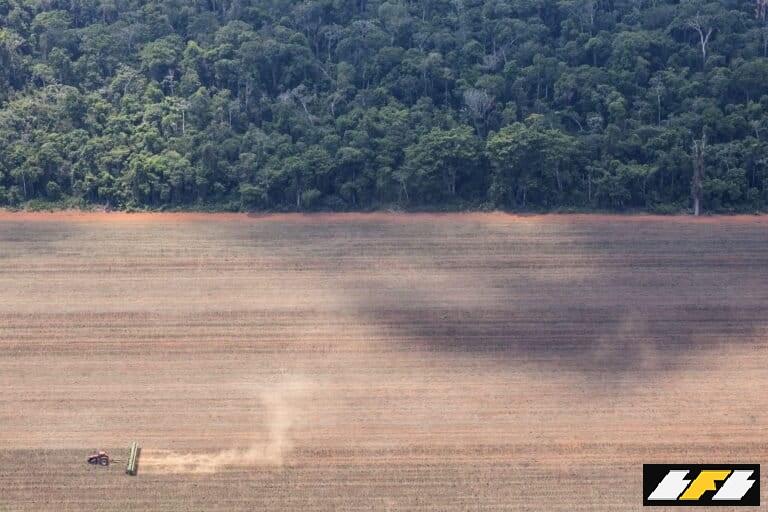
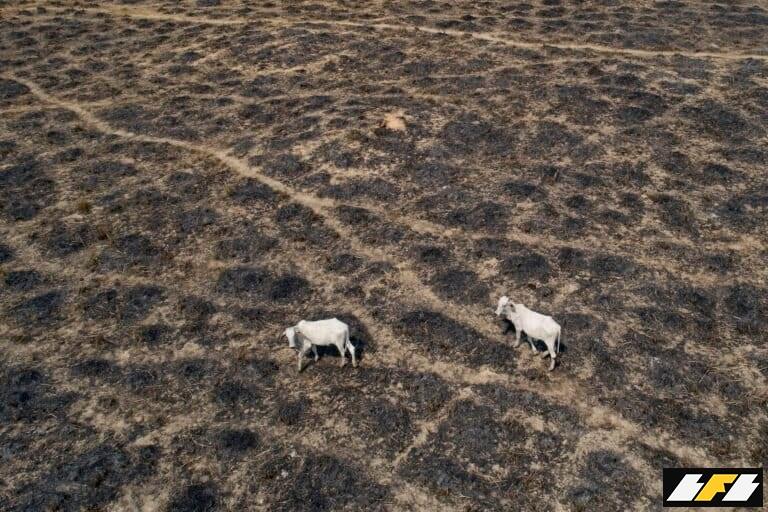
The hidden world of forests and rainforests is under threat from various human activities, including deforestation, mining, and agriculture. The loss of habitat poses a significant risk to the myriad of species that depend on these ecosystems for survival. Conservation efforts are crucial to preserving these environments and the unique life forms they harbor.
Organizations such as the Rainforest Alliance work tirelessly to promote sustainable practices that protect these vital ecosystems. Through education, advocacy, and collaboration with local communities, they aim to reduce deforestation and promote biodiversity conservation.
Innovative conservation strategies, such as the establishment of protected areas and the promotion of sustainable tourism, are also critical in ensuring the long-term survival of these ecosystems. By supporting local economies in environmentally friendly ways, these strategies help balance human needs with environmental preservation.
Conclusion: A Call to Action
The hidden world of forests and rainforests is a treasure trove of biodiversity, waiting to be explored and understood. By uncovering and appreciating the lesser-known species within these ecosystems, we gain a deeper understanding of the intricate web of life that supports our planet. It is imperative that we take action to protect these vital habitats from destruction.
As individuals, we can contribute to conservation efforts by supporting organizations dedicated to preserving forests and rainforests, and by advocating for policies that prioritize environmental protection. Together, we can ensure that the hidden wonders of these ecosystems continue to thrive for future generations to discover and cherish.
For more information on the importance of biodiversity in rainforests, visit the Conservation International website.
The Intrinsic Value of Biodiversity
Beyond their ecological importance, the species residing in forests and rainforests hold intrinsic value that is often overlooked. The complex interactions between these species contribute to the resilience of ecosystems, enabling them to recover from natural disturbances such as fires and storms. This resilience is essential in maintaining the stability of the global climate and ensuring the provision of ecosystem services such as clean air and water.
Furthermore, many of the species found in these environments have potential applications in medicine and agriculture. For instance, the rosy periwinkle, a plant native to Madagascar’s rainforests, has been used to develop drugs that treat childhood leukemia and Hodgkin’s disease. Such discoveries highlight the untapped potential of biodiversity and the need to preserve these ecosystems for future scientific exploration.
Indigenous Knowledge and Forest Conservation
Indigenous communities have lived in harmony with forests and rainforests for centuries, drawing on their extensive knowledge of the land and its resources. These communities play a crucial role in conservation efforts, as their traditional practices often align with sustainable management of natural resources.
Incorporating indigenous knowledge into modern conservation strategies can enhance the effectiveness of these efforts. For example, the practice of agroforestry, which combines agricultural and forestry techniques, has been adopted from indigenous methods and is increasingly recognized for its ability to promote biodiversity while providing economic benefits to local populations.
By respecting and integrating indigenous perspectives, we can develop more holistic approaches to conservation that benefit both people and the planet. Organizations like the International Union for Conservation of Nature (IUCN) are actively working to support indigenous rights and incorporate their knowledge into environmental policies.
Education and Public Awareness
Raising awareness about the hidden world of forests and rainforests is essential to garnering public support for conservation initiatives. Education plays a pivotal role in this process, as it empowers individuals to make informed decisions about their environmental impact and encourages them to advocate for sustainable practices.
Educational programs that focus on the importance of biodiversity and the unique species found in these ecosystems can inspire a new generation of conservationists. Interactive experiences, such as virtual reality tours of rainforests or citizen science projects that involve monitoring local wildlife, can engage people of all ages and foster a deeper connection to nature.
Additionally, partnerships between environmental organizations and educational institutions can facilitate the dissemination of knowledge and resources, amplifying the reach and impact of conservation messages.
The Role of Technology in Conservation
Technological advancements have opened new avenues for conservation efforts, allowing for more efficient monitoring and protection of forest and rainforest ecosystems. Remote sensing technologies, such as satellite imagery and drones, enable scientists to track changes in land cover and identify areas at risk of deforestation in real-time.
Moreover, the use of DNA barcoding and environmental DNA (eDNA) sampling has revolutionized the study of biodiversity, allowing researchers to identify and catalog species with greater accuracy and speed. These tools are particularly valuable for uncovering lesser-known species and understanding their distribution and ecological roles.
Technology also facilitates the creation of platforms that connect conservationists, researchers, and the public, fostering collaboration and knowledge sharing. By leveraging these innovations, we can enhance the effectiveness of conservation strategies and ensure the protection of these vital ecosystems.
Conclusion: A Shared Responsibility
The hidden world of forests and rainforests is a testament to the incredible diversity of life on our planet. As stewards of the Earth, we have a shared responsibility to protect these ecosystems and the myriad of species that depend on them. By embracing a multifaceted approach that includes conservation, education, indigenous knowledge, and technology, we can work towards a future where these natural wonders continue to thrive.
Let us take inspiration from the resilience and adaptability of the species within these ecosystems and commit to actions that safeguard their existence. Together, we can ensure that the wonders of forests and rainforests remain a vibrant and integral part of our world, for the benefit of all life on Earth.
About the Author