The Role of Renewable Energy in the Global Energy Transition
The global energy landscape is undergoing a transformative phase, driven by the urgent need to address climate change and reduce dependence on fossil fuels. Renewable energy stands at the forefront of this transition, offering sustainable, clean, and economically viable alternatives to traditional energy sources. This blog post explores the pivotal role of renewable energy in the global energy transition, examining its benefits, challenges, and future prospects.
The Imperative for Energy Transition
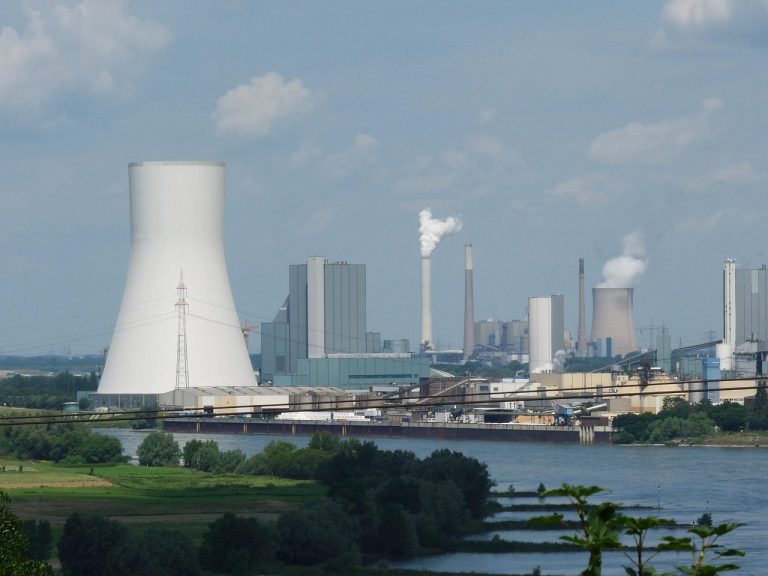
The demand for energy continues to rise as populations grow and economies expand. However, the environmental impact of conventional energy sources, such as coal, oil, and natural gas, has raised significant concerns. Carbon emissions from these sources are a major contributor to climate change, leading to severe weather patterns, rising sea levels, and biodiversity loss.
In response to these challenges, the world is moving towards an energy transition that emphasizes the adoption of renewable energy technologies. This transition is supported by international agreements, such as the Paris Agreement, which aims to limit global warming to well below 2 degrees Celsius above pre-industrial levels.
Types of Renewable Energy
Renewable energy sources are diverse and abundant. They include solar, wind, hydroelectric, geothermal, and biomass energy, each playing a unique role in the global energy mix.
Solar Energy
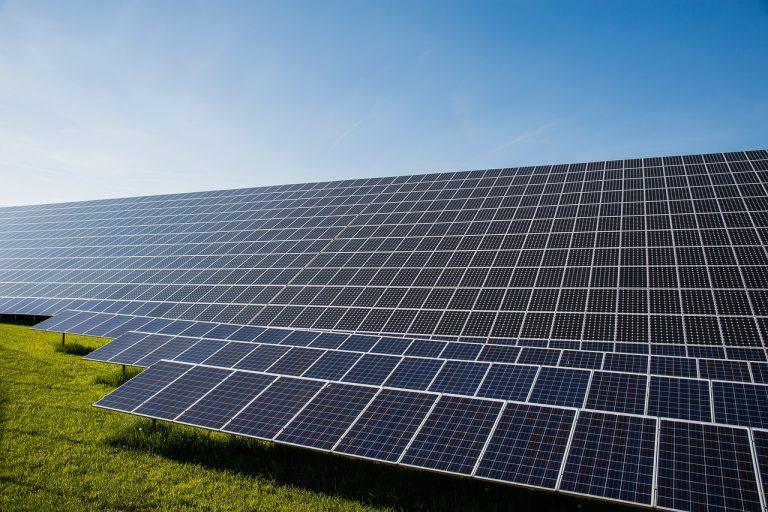
Solar power harnesses energy from the sun using photovoltaic cells or solar thermal systems. It is one of the fastest-growing renewable energy sources due to its scalability and declining costs. Countries like Germany and China have made significant investments in solar technology, leading to increased capacity and innovation.
Wind Energy
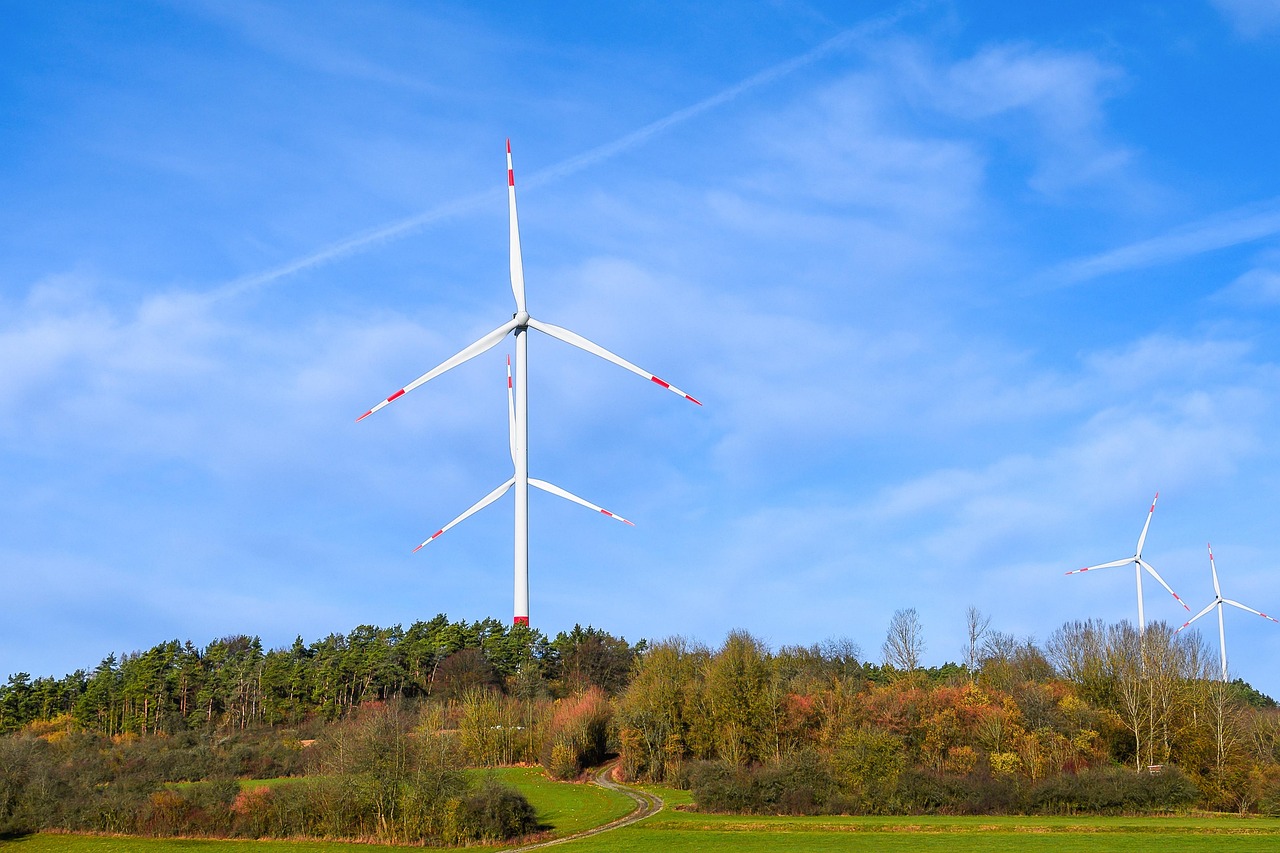
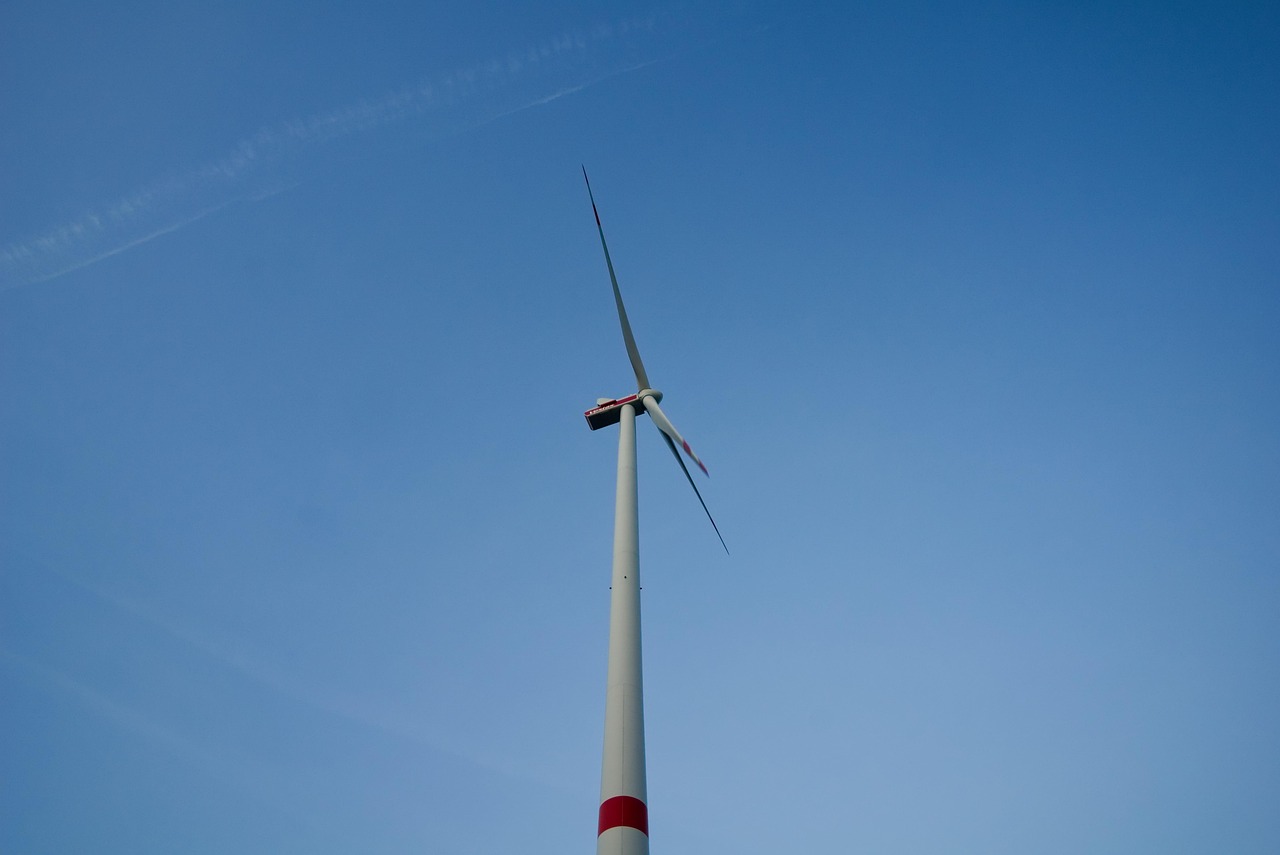
Wind energy is generated through the use of wind turbines that convert kinetic energy from wind into mechanical power. Offshore and onshore wind farms are becoming increasingly popular, with countries such as Denmark and the United States leading in wind energy production. Wind power is a key component in reducing carbon emissions and providing a reliable energy supply.
Hydroelectric Energy
Hydroelectric power generates electricity by harnessing the energy of flowing water. It is one of the oldest and most established forms of renewable energy. Nations like Canada and Norway rely heavily on hydroelectric power, benefiting from their abundant water resources. While hydroelectric power is efficient, it requires careful environmental consideration to minimize ecological disruption.
Geothermal Energy
Geothermal energy utilizes heat from the Earth’s core to generate electricity and provide direct heating. Regions with high geothermal activity, such as Iceland and parts of the United States, have tapped into this resource to meet their energy needs sustainably. Geothermal energy offers a constant and reliable energy source with a small environmental footprint.
Biomass Energy
Biomass energy is derived from organic materials such as plant and animal waste. It can be converted into electricity, heat, or biofuels. Biomass offers a renewable and versatile energy source, particularly in agricultural regions where waste materials are readily available. However, sustainable management is crucial to avoid deforestation and resource depletion.
Benefits of Renewable Energy
The shift towards renewable energy offers numerous benefits beyond environmental sustainability. Firstly, it enhances energy security by reducing reliance on imported fossil fuels, which are subject to geopolitical tensions and price volatility. Renewable energy sources are indigenous and widely distributed, offering countries greater control over their energy resources.
Moreover, renewable energy technologies create economic opportunities by generating jobs in manufacturing, installation, and maintenance. According to the International Renewable Energy Agency (IRENA), the renewable energy sector employed over 11 million people globally in 2018, with numbers expected to grow as investments increase.
Health benefits are another critical advantage, as renewable energy reduces air pollution associated with fossil fuel combustion. Improved air quality leads to better public health outcomes and reduces healthcare costs. Furthermore, renewable energy projects can stimulate rural development, providing electricity to off-grid communities and improving living standards.
Challenges to Renewable Energy Adoption
Despite its advantages, the transition to renewable energy faces several challenges. One major issue is the intermittent nature of sources like solar and wind, which can lead to fluctuations in energy supply. This variability requires the development of advanced energy storage solutions, such as batteries and pumped hydro storage, to ensure a reliable energy grid.
Another challenge is the need for substantial infrastructure investments. Transitioning to renewable energy requires upgrading existing grids, building new transmission lines, and developing smart grid technologies. These investments necessitate significant financial resources and coordinated policy efforts.
Moreover, the transition must consider social and environmental impacts. Renewable energy projects can face opposition from local communities concerned about land use, visual impacts, and ecological consequences. Engaging stakeholders and conducting thorough environmental assessments are crucial to addressing these concerns.
The Future of Renewable Energy
The future of renewable energy is promising, with continued advancements in technology and increased global commitment to sustainable practices. The declining cost of renewable energy technologies is making them more competitive with fossil fuels, encouraging wider adoption.
Governments and organizations worldwide are setting ambitious targets for renewable energy deployment. For example, the European Union aims to achieve at least 32% of its energy consumption from renewable sources by 2030. Similarly, companies across industries are committing to renewable energy through initiatives like the RE100, a global corporate leadership initiative bringing together influential businesses committed to 100% renewable electricity.
Innovation will play a crucial role in overcoming current limitations. Breakthroughs in energy storage, grid integration, and energy efficiency will enhance the viability of renewable energy systems. Additionally, international collaboration and knowledge sharing can accelerate the transition, allowing countries to learn from each other’s successes and challenges.
Takeaways

Renewable energy is at the heart of the global energy transition, offering a sustainable and economically viable path to addressing climate change and reducing fossil fuel dependency. While challenges remain, the benefits of renewable energy—ranging from environmental protection to economic growth—are undeniable. As technology advances and global collaboration strengthens, renewable energy will continue to reshape the energy landscape, paving the way for a cleaner, more resilient future.
To ensure a successful transition, stakeholders must prioritize investments in infrastructure, research, and policy development. By embracing renewable energy, the world can move towards a more sustainable, equitable, and prosperous energy future.
Policy and Regulation in Renewable Energy Transition
Policy and regulation play a critical role in facilitating the transition to renewable energy. Governments worldwide are implementing policies to incentivize the adoption of renewable technologies and create a favorable environment for investment. These policies include tax credits, feed-in tariffs, renewable portfolio standards, and subsidies.
For instance, feed-in tariffs guarantee a fixed payment to renewable energy producers for the electricity they generate, providing long-term financial certainty. This policy has been successful in countries like Germany, where it significantly boosted solar and wind energy installations.
Renewable portfolio standards (RPS) require utilities to source a specific percentage of their energy from renewable sources, thereby driving market demand. The United States has implemented RPS in several states, contributing to increased renewable energy capacity.
Furthermore, international cooperation through organizations like the International Renewable Energy Agency (IRENA) and the International Energy Agency (IEA) fosters collaboration and knowledge exchange, helping countries develop effective policies and strategies. By aligning regulatory frameworks and sharing best practices, nations can accelerate the renewable energy transition on a global scale.
The Role of Innovation in Renewable Energy

Innovation is a driving force behind the advancement of renewable energy technologies. Continuous research and development efforts are leading to breakthroughs that enhance efficiency, reduce costs, and expand the applicability of renewable energy.
In the solar sector, innovations like bifacial solar panels, which capture sunlight from both sides, and perovskite solar cells, which offer higher efficiency at a lower cost, are transforming the industry. Similarly, advancements in wind turbine design, such as taller towers and larger rotor diameters, are increasing energy capture and improving performance.
Energy storage technologies are also advancing, addressing the challenge of intermittency associated with renewable sources. Lithium-ion batteries, which have seen significant cost reductions, are widely used for grid storage and electric vehicles. Emerging technologies such as flow batteries and hydrogen storage offer promising alternatives for long-duration energy storage.
Moreover, digital technologies like artificial intelligence and the Internet of Things (IoT) are optimizing energy management and grid integration. These technologies enable smart grids that can dynamically balance supply and demand, enhancing the reliability and efficiency of renewable energy systems.
Community Engagement and Social Acceptance
Community engagement and social acceptance are vital for the successful deployment of renewable energy projects. Local communities often have concerns about land use, environmental impacts, and economic benefits. Addressing these concerns through transparent communication and stakeholder involvement can foster social acceptance and support.
Community-owned renewable energy projects are an effective way to involve local populations. These projects allow communities to invest in and benefit from renewable energy, creating a sense of ownership and empowerment. Countries like Denmark have successfully implemented community wind projects, demonstrating the potential for social and economic benefits.
Education and awareness campaigns can also enhance public understanding of renewable energy’s benefits and address misconceptions. By highlighting the positive impacts on the environment, economy, and public health, these campaigns can build widespread support for the energy transition.
Economic Implications of Renewable Energy
The economic implications of renewable energy are profound, impacting various sectors and creating new opportunities. As the cost of renewable technologies continues to decline, they become increasingly competitive with fossil fuels, leading to shifts in energy markets.
Investments in renewable energy infrastructure stimulate economic growth and create jobs across the value chain, from manufacturing to installation and maintenance. According to IRENA, the renewable energy sector is expected to employ over 24 million people by 2030, driven by investments in solar, wind, and bioenergy.
Renewable energy also reduces energy costs for consumers and businesses, enhancing competitiveness and improving economic resilience. By decreasing reliance on imported fossil fuels, countries can reduce trade deficits and strengthen their energy security.
Furthermore, renewable energy projects can revitalize rural and underserved areas by providing reliable electricity access, supporting local industries, and improving quality of life. These projects contribute to regional development and reduce energy poverty, aligning with the United Nations’ Sustainable Development Goals.
Conclusion: Embracing a Renewable Future
The role of renewable energy in the global energy transition is undeniable, offering a sustainable pathway to address climate change and secure a cleaner, more resilient energy future. The transition to renewable energy is a complex and multifaceted process that requires concerted efforts from governments, industries, and communities worldwide.
As renewable energy technologies continue to evolve and costs decline, their integration into the global energy system will accelerate. By investing in innovation, policy frameworks, and community engagement, we can overcome challenges and unlock the full potential of renewable energy.
The transition presents an opportunity to redefine our relationship with energy, fostering a sustainable, equitable, and prosperous world for future generations. By embracing renewable energy, we can create a legacy of environmental stewardship and economic vitality, ensuring a brighter and cleaner future for all.
About the Author