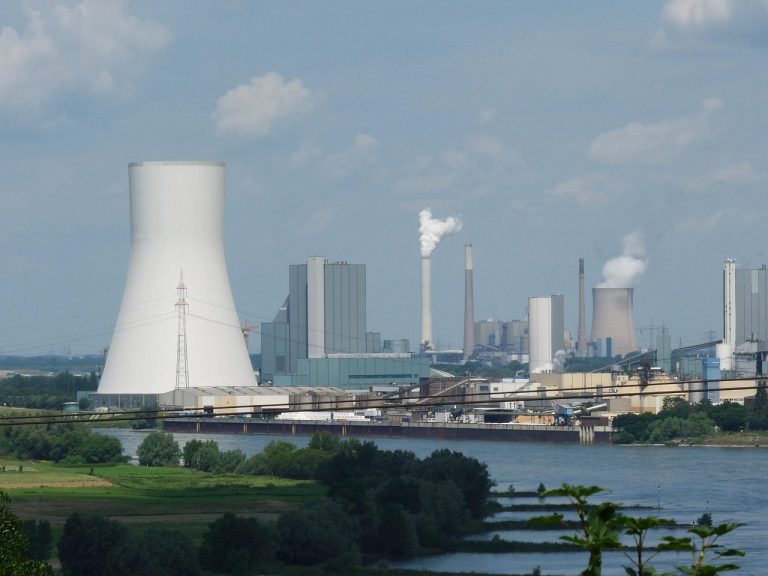

The Role of Renewable Energy in the Global Energy Transition
The global energy transition is an urgent and critical shift from fossil-based energy systems to sustainable, renewable energy sources. As the world grapples with the effects of climate change, the role of renewable energy has become pivotal in ensuring a sustainable future. This transition not only addresses environmental concerns but also promotes economic growth and energy security. In this blog post, we will explore the vital role of renewable energy in the global energy transition, examining its benefits, challenges, and future prospects.
Understanding Renewable Energy
Renewable energy refers to energy derived from natural sources that are replenished at a faster rate than they are consumed. The most common types of renewable energy include solar, wind, hydroelectric, geothermal, and biomass. These energy sources are considered cleaner alternatives to traditional fossil fuels such as coal, oil, and natural gas, which are major contributors to greenhouse gas emissions and global warming.
The Importance of Renewable Energy
Renewable energy plays a crucial role in reducing carbon emissions, a primary driver of global warming. By replacing fossil fuels with renewable sources, we can significantly decrease the amount of carbon dioxide released into the atmosphere. For instance, the International Energy Agency reports that renewable energy sources help avoid the emission of over 1.8 billion tonnes of CO2 annually.
Moreover, renewable energy sources are abundant and sustainable. Unlike finite fossil fuels, the sun will continue to shine, winds will blow, and rivers will flow, providing a continuous supply of energy. This abundance ensures that future generations will have access to the energy needed for development and prosperity.

Economic Benefits of Renewable Energy
The transition to renewable energy is not only environmentally necessary but also economically beneficial. The renewable energy sector is a significant driver of job creation. According to the International Renewable Energy Agency, the sector employed over 11 million people worldwide in 2018, and this number is expected to grow as more countries invest in renewable technologies.
Additionally, renewable energy projects often stimulate local economies by providing construction and operational jobs, as well as fostering businesses that supply goods and services to the industry. For example, wind farm projects have been known to revitalize rural communities by providing new economic opportunities.
Furthermore, renewable energy can lead to lower energy prices and greater energy security. As technologies improve and production scales up, the cost of renewable energy continues to decline. This trend is evident in the solar industry, where the cost of solar panels has fallen by more than 80% over the past decade, making solar energy more affordable for consumers and businesses alike.
Challenges in the Transition to Renewable Energy
Despite its many benefits, the transition to renewable energy faces several challenges. One of the primary obstacles is the intermittent nature of some renewable energy sources, such as solar and wind. These sources depend on weather conditions, which can lead to fluctuations in energy supply. To address this issue, advancements in energy storage technologies, such as batteries, are crucial to ensure a stable and reliable energy supply.
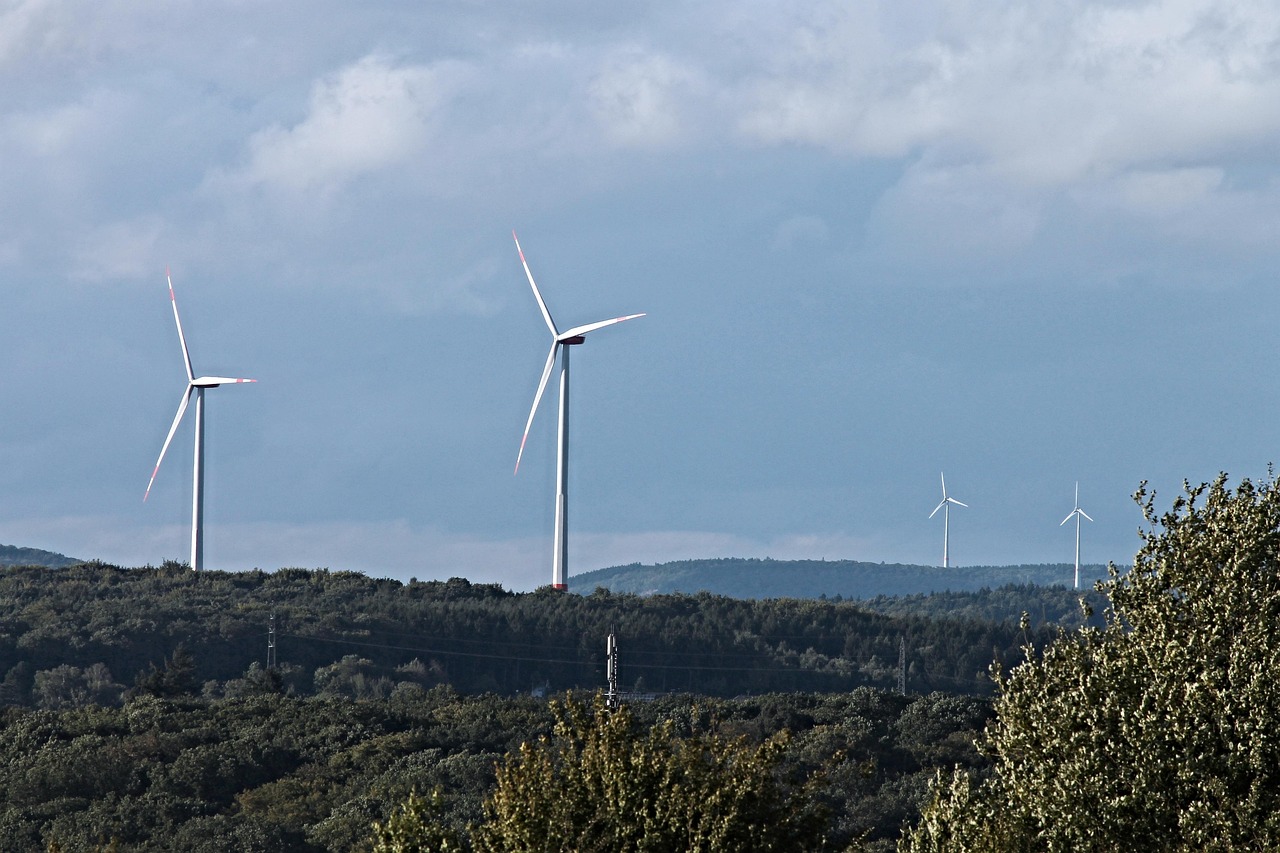
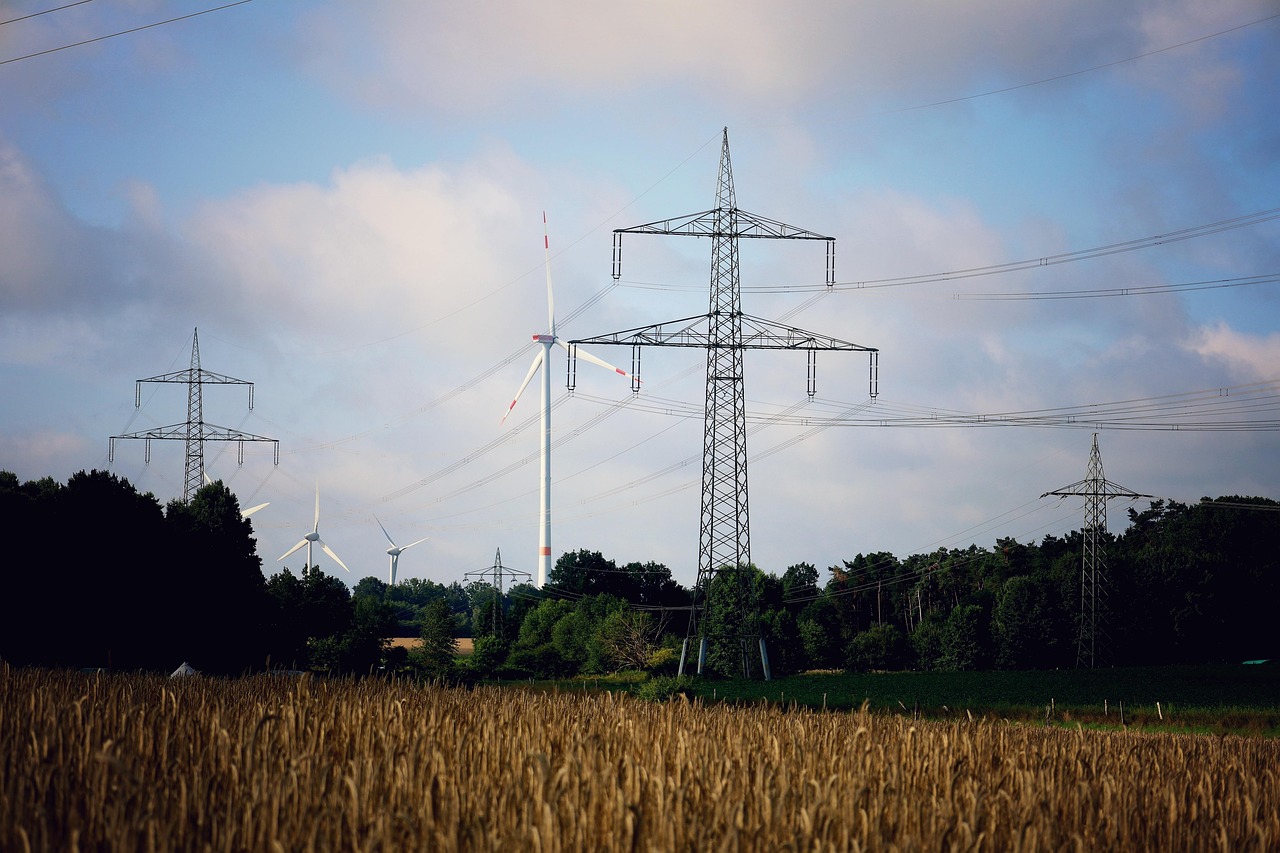
Another challenge is the existing infrastructure, which is heavily reliant on fossil fuels. Transitioning to a renewable energy system requires significant investment in new infrastructure, including upgrading power grids and developing storage solutions. This transition also requires coordinated policy efforts and regulatory frameworks to support the development and integration of renewable energy.
Moreover, there is a need for increased public awareness and education about the benefits of renewable energy. Encouraging individuals and businesses to adopt renewable energy solutions, such as installing solar panels or using electric vehicles, is essential for accelerating the transition.
Future Prospects of Renewable Energy
The future of renewable energy is promising, with technological advancements and increasing investments driving growth in the sector. The global market for renewable energy is expected to continue expanding, with countries like China, the United States, and India leading the way in renewable energy capacity additions.
Innovations in technology are making renewable energy more efficient and accessible. For instance, the development of floating solar panels allows solar installations in bodies of water, maximizing space utilization and reducing the need for land. Similarly, offshore wind farms are harnessing stronger and more consistent winds over the ocean to generate electricity.
In the coming decades, renewable energy is expected to become the dominant source of global energy, as indicated by projections from the World Energy Outlook. Governments worldwide are setting ambitious targets to increase their share of renewable energy in the energy mix, reflecting a global commitment to sustainability and climate action.
Takeaways
The role of renewable energy in the global energy transition is undeniable and multifaceted. It offers a pathway to reducing carbon emissions, enhancing energy security, and stimulating economic growth. While challenges remain, the continued advancement of renewable technologies and supportive policies are paving the way for a sustainable energy future. Embracing renewable energy is not just an environmental imperative but an opportunity to create a resilient and sustainable world for future generations.
Global Policy and Renewable Energy Initiatives
As the urgency to combat climate change intensifies, nations around the world are implementing policies and initiatives to accelerate the adoption of renewable energy. These efforts are crucial in setting the framework for a sustainable energy transition. Many countries have established renewable energy targets as part of their national energy strategies, committing to increase their renewable energy capacity over the next few decades.
The European Union, for instance, has set an ambitious target to become climate-neutral by 2050, with renewable energy playing a central role in this plan. Similarly, the United States has rejoined the Paris Agreement and is working towards a goal of achieving 100% clean energy by 2050. These commitments are supported by comprehensive policies and incentives designed to encourage investment in renewable energy projects.
In addition to national efforts, international collaborations and agreements are vital in promoting the global energy transition. Organizations such as the International Renewable Energy Agency (IRENA) and initiatives like the Clean Energy Ministerial provide platforms for countries to share knowledge, experiences, and best practices in renewable energy adoption.
Technological Innovations Driving Renewable Energy

Technological innovation is a key driver of the renewable energy transition. Advancements in solar and wind technologies, for instance, have significantly increased efficiency and reduced costs. The development of high-efficiency solar cells and larger wind turbines has allowed for greater energy capture and conversion, making these technologies more competitive with traditional energy sources.
Energy storage solutions are also evolving rapidly, addressing one of the main challenges associated with renewable energy: intermittency. Breakthroughs in battery technology, such as lithium-ion and flow batteries, are enhancing the capacity and lifespan of energy storage systems. These advancements enable the storage of excess energy generated during peak production times, which can then be used when production is low.
Moreover, smart grid technologies are transforming the way energy is distributed and consumed. These systems use digital communication technology to monitor and manage the flow of electricity, optimizing the balance between supply and demand. As a result, smart grids facilitate the integration of renewable energy sources into the existing energy infrastructure, enhancing overall efficiency and reliability.
The Role of Private Sector and Investments
The private sector plays a crucial role in the energy transition, with businesses and investors increasingly recognizing the potential of renewable energy. Private investment in renewable energy projects is vital for scaling up technologies and expanding infrastructure. Companies are investing in renewable energy not only to reduce their carbon footprint but also to capitalize on the economic benefits and opportunities presented by the sector.
Moreover, financial institutions are offering green bonds and sustainable investment portfolios to support the development of renewable energy projects. These financial instruments provide the capital necessary for companies to innovate and expand their renewable energy initiatives. According to a report by the Brookings Institution, the green bond market has seen substantial growth, indicating a strong investor appetite for sustainable projects.

Corporate renewable energy procurement is also on the rise, with many companies pledging to power their operations entirely with renewable energy. Initiatives like the RE100, a global corporate leadership program, bring together influential businesses committed to achieving 100% renewable electricity, demonstrating the growing momentum in the private sector towards renewable energy adoption.
Community Involvement and Renewable Energy
Community involvement is essential in driving the renewable energy transition at the grassroots level. Local initiatives and community-based renewable energy projects empower residents to take an active role in their energy future. These projects often involve the installation of solar panels on community buildings, the development of local wind farms, or the establishment of energy cooperatives.
Community energy projects not only provide clean energy but also promote local engagement, education, and economic benefits. They create opportunities for communities to generate their own energy, reduce energy costs, and reinvest profits into local development initiatives. This grassroots approach not only accelerates the adoption of renewable energy but also fosters a sense of ownership and responsibility towards sustainable practices.
In conclusion, the role of renewable energy in the global energy transition is multifaceted and integral to achieving a sustainable future. As technological advancements continue and policies become more supportive, the transition toward renewable energy is expected to accelerate, reshaping the global energy landscape. By harnessing the power of nature, we can create a resilient and sustainable energy system that benefits the environment, economy, and society as a whole.
About the Author