rainfall Environment Brazil: Rainfall Trends and Brazil’s Climate St
Updated: April 9, 2026
Understanding rainfall Environment Brazil dynamics is no longer academic: it is central to how Brazil manages food security, power supply, and regional equity in a climate-constrained era. As climate variability intensifies, the way the country tracks, interprets, and acts on rainfall data now shapes policy choices from the farm gate to the national grid. This analysis examines how rainfall patterns—shaped by both global warming and regional factors—translate into daily decisions for farmers, city planners, and energy operators across Brazil.
Context and Trends
Brazil sits at the intersection of rainfall variability and infrastructural complexity. Across the Northeast, prolonged dry spells tighten water availability for irrigation and drinking supplies, while in the Southeast and South, heavy rainfall and flooding stress drainage systems and urban resilience. Long-term shifts in the distribution of rain—more intense downpours during shorter windows and longer dry seasons in some regions—pose a persistent challenge to agricultural planning, soil health, and watershed management. These patterns align with broader climate signals that have intensified in the last decade, raising the frequency of extreme hydrological events even as average rainfall in specific basins fluctuates. For policymakers, this means rethinking seasonal forecasting, storage capacity, and regional risk sharing, rather than treating rainfall as a static input to the economy.
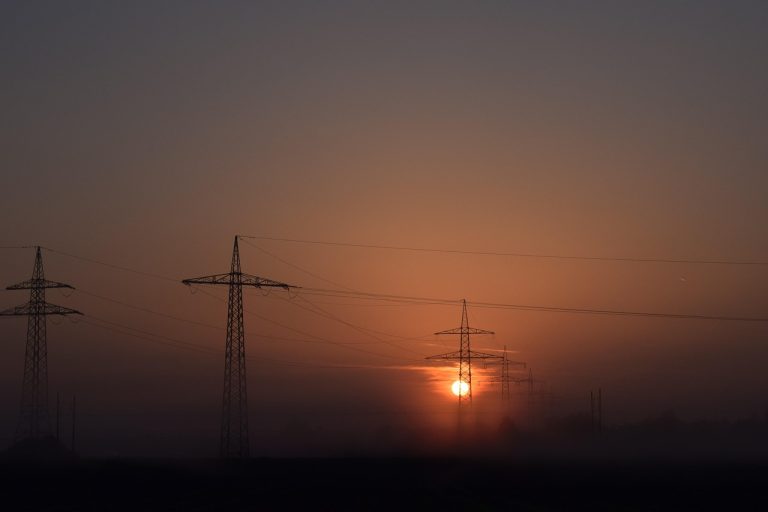
Beyond regional contrasts, Brazil’s rainfall is tightly linked to the country’s energy matrix. Hydropower, historically a backbone of the electricity system, remains vulnerable to shifts in water availability tied to rainfall. When dry spells coincide with peak demand, regulators must balance reliability with affordability and emission targets. These pressures underscore the need for improved rainfall monitoring at local scales, better integration of meteorological data into grid planning, and cautious diversification to reduce exposure to climate-driven hydrological risk.
Policy and Governance
Policy responses to rainfall realities hinge on timely data, credible forecasting, and governance structures that can translate forecasts into action. Brazil’s current investment push, as reported in recent coverage of Lula’s term, emphasizes mobilizing substantial capital toward sustainable projects and climate-resilient infrastructure. The goal is not merely to fund new facilities but to align watershed planning with urban development, agricultural extension, and energy diversification. Effective governance also requires transparent basin-wide management, cross-sector coordination, and incentives that reward efficient water use, rainfall forecasting accuracy, and risk pooling for smallholders and low-income communities. In practice, this means strengthening public–private collaboration on water storage, drainage improvements, and irrigation efficiency, while ensuring policies safeguard ecosystems and resist short-term noise in commodity markets.
Investments aimed at climate resilience also reflect a broader shift toward integrating climate risk into budget processes and project appraisal. This includes evaluating long-term rainfall scenarios for critical sectors such as agriculture, fisheries, and industry, and aligning investment timelines with anticipated climate baselines. In tandem, Brazil must expand data sharing among meteorological agencies, agricultural extension services, and local governments to ensure that forecasts inform timely pesticide application, irrigation scheduling, flood warnings, and emergency responses. The aim is to turn rainfall insights into proactive risk management rather than reactive crisis response.
Economic and Social Impacts
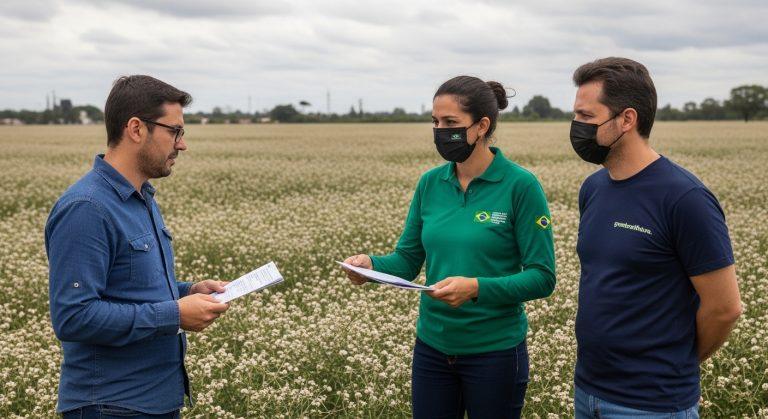
Variability in rainfall directly affects yields, input costs, and market stability. In farming regions reliant on rainfed agriculture, even modest shifts in precipitation timing or intensity can alter harvest calendars, soil moisture, and nutrient cycling, reducing productivity or increasing vulnerability to pest pressures. Where irrigation infrastructure exists, operational costs rise during drought periods as pumping energy requirements spike, affecting small producers disproportionately. Urban and rural households alike feel the ripple effects through water prices, reliability of supply, and the vulnerability of low-income neighborhoods to flood events or water scarcity episodes. Economic resilience thus depends on a layered approach: promote water-use efficiency in agriculture, expand access to affordable irrigation for smallholders, and build safety nets that cushion price volatility and supply interruptions tied to rainfall extremes.
Regional disparities intensify these challenges. The Northeast often bears the brunt of drought, while parts of the Southeast and South grapple with flooding and drainage inadequacies. This uneven exposure means one-size-fits-all policies will underperform. Tailored measures—ranging from drought-tolerant crop varieties and soil-conservation practices to upgraded drainage, floodplain zoning, and green infrastructure—are essential to protect livelihoods and maintain social cohesion in the face of shifting rainfall patterns.
Future Scenarios and Adaptation
Looking ahead, three broad scenarios help frame adaptation planning. In the optimistic path, sustained investments in water storage, modernized irrigation, and diversified energy sources reduce exposure to rainfall shocks. Climate services are embedded in farm and city planning, enabling proactive adjustments to planting schedules, water pricing, and infrastructure maintenance. In a moderate scenario, improvements in forecasting and governance mitigate some risks, but localized vulnerabilities persist, requiring targeted funding and capacity-building in high-risk regions. In a severe scenario, continued rainfall volatility and underfunded adaptation efforts culminate in recurrent droughts and floods, stressing the economy, heightening social tensions, and forcing difficult trade-offs between growth, energy security, and ecological integrity. The reality for Brazil will likely fall somewhere along this spectrum, underscoring the need for flexible policies that can scale with emerging rainfall realities and the evolving climate science landscape.
Adaptation strategies must be multi-layered. On the agricultural front, expanding drip irrigation, rainwater harvesting, soil moisture conservation, and crop diversification can dampen productivity shocks. In energy, accelerating grid modernization, expanding solar and wind, and using reservoir-based storage to complement hydro can buffer against hydrological swings. Urban planning should prioritize flood-resilient design, green drainage networks, and water-use efficiency programs for households and enterprises. Finally, social protection systems need to anticipate climate risk, providing insurance products, price stabilization tools, and targeted support for vulnerable communities when rainfall extremes threaten livelihoods.
Actionable Takeaways
- Invest in high-resolution rainfall monitoring and early-warning systems to deliver timely alerts to farmers, city planners, and energy operators.
- Scale up water storage and distribution efficiency, prioritizing agroforestry, soil moisture retention, and drip irrigation in drought-prone regions.
- Diversify the energy mix and strengthen hydro- and non-hydro coordination to reduce dependence on rainfall-dependent generation.
- Integrate climate risk into budgeting and project appraisal, ensuring that flood and drought resilience projects receive long-term funding commitments.
- Expand climate-informed social protection, including index-based flood/drought insurance and procurement programs that support smallholders during extreme rainfall events.
Source Context
Actionable Takeaways
- Track official updates and trusted local reporting.
- Compare at least two independent sources before sharing claims.
- Review short-term risk, opportunity, and timing before acting.