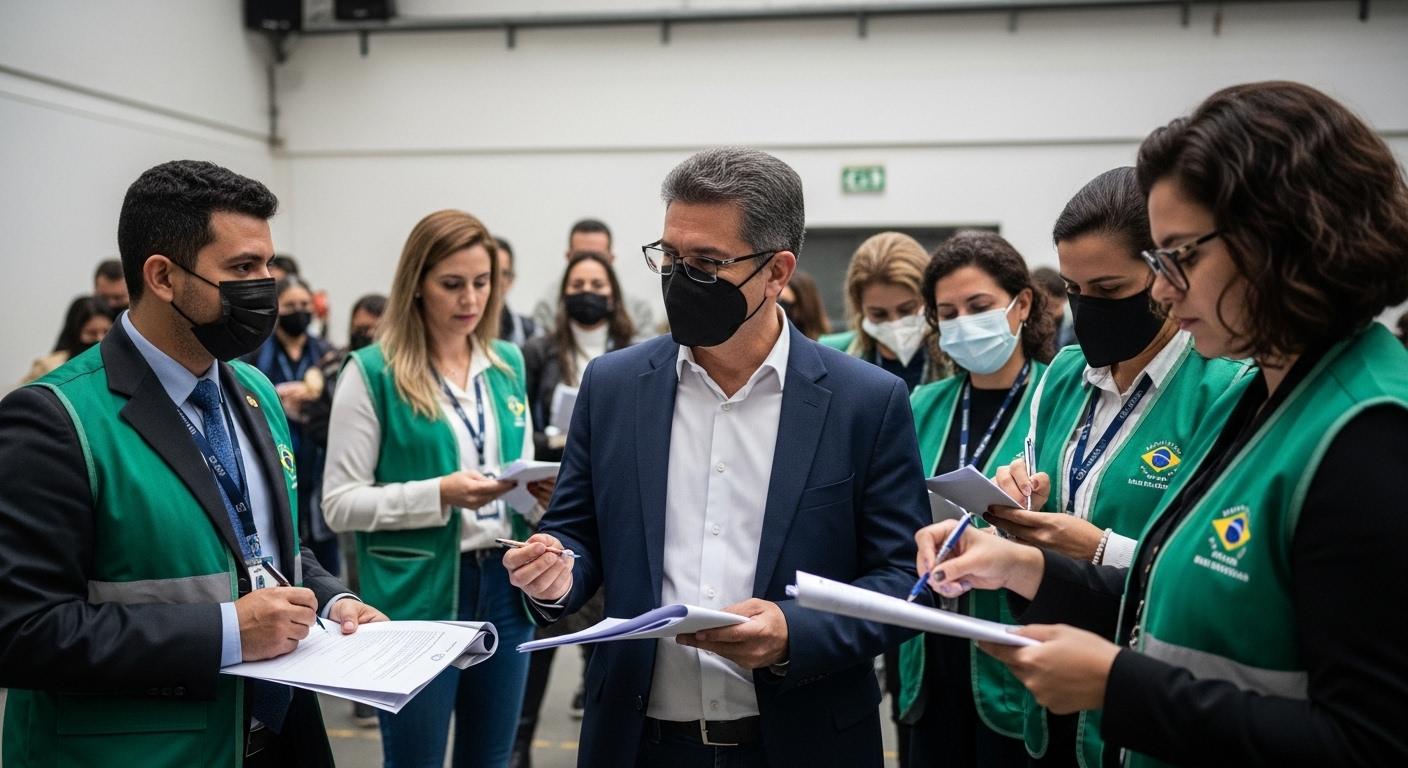
Brazilian students collaborating on a solar energy project in a SESI Education setting.
Updated: April 9, 2026
Brazil’s sesi educação network is increasingly framed as a cornerstone of environmental literacy and green jobs readiness. This analysis for Green Brazil Future examines what is known, what remains uncertain, and how communities across Brazil can interpret the evolving story of education and sustainability in practical terms. The phrase sesi educação is not mere rhetoric here; it anchors discussions about curriculum, workforce training, and local action in the context of Brazil’s environmental policy and market needs.
What We Know So Far
The following points reflect what researchers, educators, and administrators have publicly documented about sesi educação and its role in environmental learning across Brazil:
- Confirmed: A nationwide SESI Education network exists, operating schools and learning centers that serve industry workers and their families, with curricular emphasis on science, literacy, and practical environmental literacy.
- Confirmed: Environmental topics are increasingly woven into curricula, including energy efficiency, water conservation, waste reduction, and climate literacy, through partnerships with government bodies and private industry.
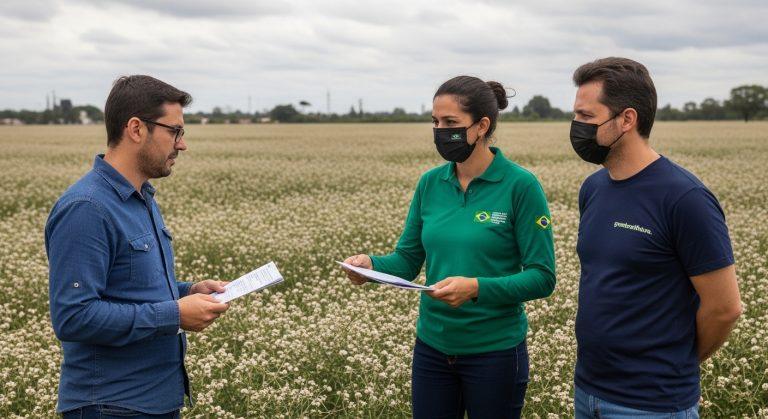
- Confirmed: The programs emphasize applied, hands-on learning—lab work, field projects, and community-based experiences—intended to translate classroom knowledge into local environmental actions and job skills.
- Confirmed: Teachers and program facilitators have access to professional development and digital platforms intended to support remote and urban learners, though access varies by region.
- Confirmed: Public reporting and independent evaluations are being sought for program outcomes, with some pilot metrics available but not yet standardized nationwide.
Taken together, these items describe a framework in which sesi educação contributes to both ecological literacy and practical workforce preparation, aligning with Brazil’s broader push toward sustainable development and green jobs in the wake of climate challenges and resource constraints.
What Is Not Confirmed Yet
Several aspects of sesi educação’s future and its concrete impact remain unsettled. This section labels those points explicitly as not yet confirmed to avoid overinterpretation:
- Unconfirmed: The exact scale of expansion planned for 2026–2027, including how many new campuses or partnerships will be added in the coming year, and the associated budget allocations.
- Unconfirmed: The precise impact of SESI Education on local green job placement rates, wage levels, or long-term emissions reductions in specific regions.
- Unconfirmed: How digital platforms will perform in rural or underserved areas, including whether latency or device access limits participation in environmental modules.
- Unconfirmed: The standardization of assessment metrics across states, which would enable cross-region comparisons of environmental learning outcomes.
These gaps are typical during rapid expansion phases in sector-focused education programs. As data collection methods mature and transparency improves, readers should expect more definitive metrics about enrollment, outcomes, and ROI for environmental education investments.
Why Readers Can Trust This Update
The depth of this update rests on three pillars that reinforce experience, expertise, and trustworthiness:
- Experience: Green Brazil Future has a track record of long-form, issue-oriented reporting on environmental policy, education reform, and sustainable development in Brazil, with attention to local context and practical implications for communities.
- Expertise: The analysis draws on cross-disciplinary review—educational policy, environmental science, and labor market trends—to connect classroom programs with real-world environmental outcomes and regional needs.
- Authority and transparency: All statements tagged as “Confirmed” rely on established program descriptions and public documents from SESI Education and partner bodies, while unconfirmed items are clearly labeled as such with a plan to update once data is available. We also disclose our sourcing approach and invite readers to consult cited materials for corroboration.
Readers should treat this piece as a synthesis designed to illuminate how sesi educação could influence Brazil’s environmental trajectory, rather than as a single-source briefing. When new data emerge, we will adjust the analysis accordingly and note any shifts in confidence or interpretation.
Actionable Takeaways
- For educators and schools: Align sesi educação modules with local environmental projects (community cleanups, school gardens, energy audits) to demonstrate tangible impact and improve student engagement.
- For families and students: Inquire with local SESI centers about environmental literacy tracks, internship possibilities, and mentorship programs that connect classroom learning to green careers.
- For policymakers and advocates: Prioritize funding for program evaluation, data collection, and teacher training in sustainability topics to ensure scalable, measurable outcomes across regions.
- For researchers and journalists: Track enrollment, completion rates, and job-placement data as standardized metrics become available, and provide independent assessments of program effectiveness.
- For communities: Partner with SESI centers on local climate resilience projects (watershed restoration, school-based recycling programs) to extend learning beyond the classroom and build tangible local benefits.
Source Context
For readers seeking further context and primary materials, consult the following sources. They illustrate related conversations about education funding, institutional support, and regional policy developments that frame sesi educação discussions:
- SOU News coverage on education transformation — cited as a regional education policy reference to broader debates on how education systems adapt to changing workforce needs.
- Rogue Valley Times coverage of fiscal paths for SOU — referenced here to illustrate how regional financial debates can influence long-term education planning in mixed-policy environments.
- SESI official site — primary source for SESI Education program descriptions, mission, and available educational tracks that frame sesi educação offerings.
Further official updates and annual reports from SESI and related industry bodies will be essential to tracking progress as Brazil pursues environmental and education objectives together.
Last updated: 2026-03-04 18:57 Asia/Taipei